
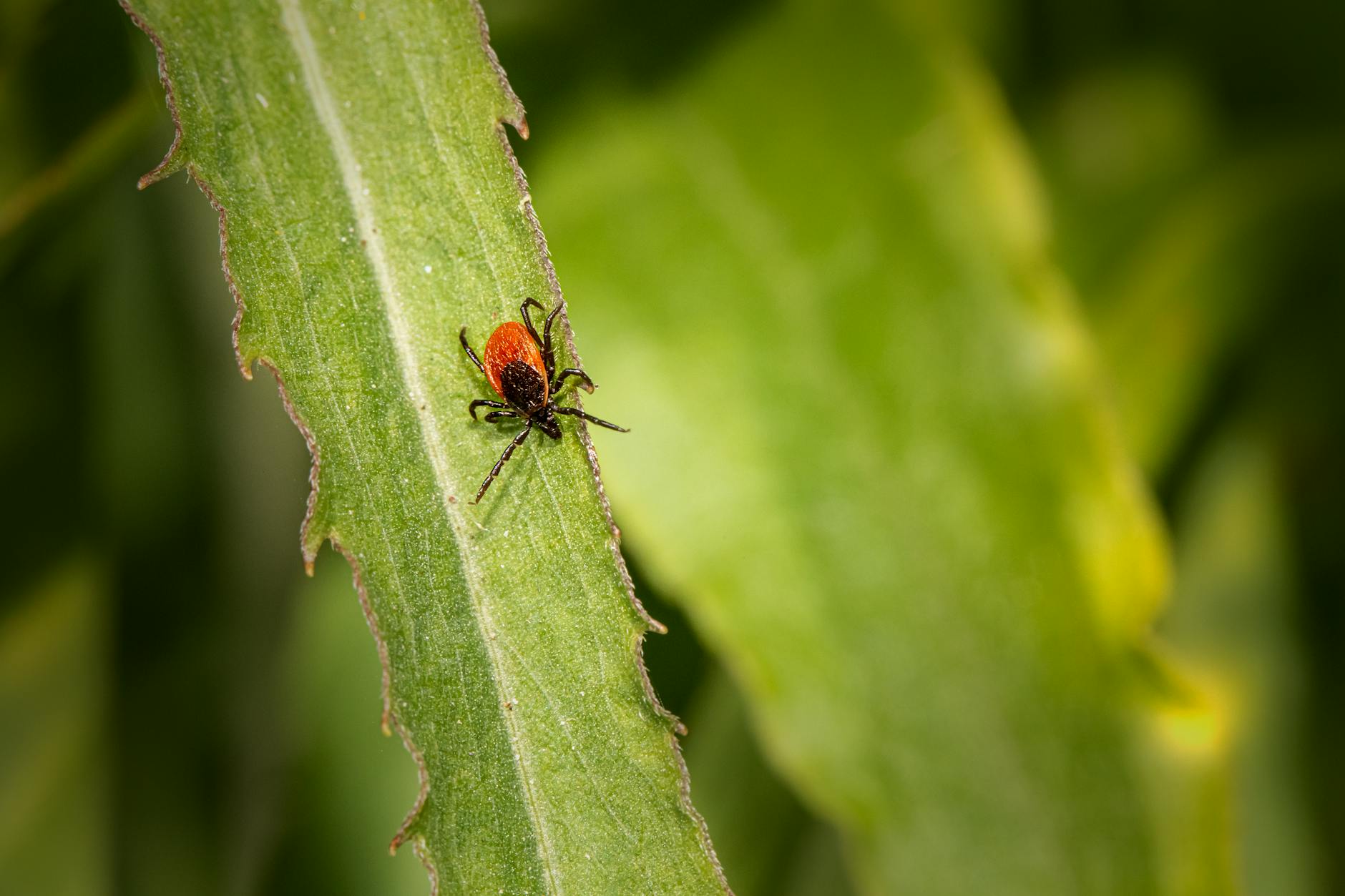
Why You Should Care About Ticks
While hiking through a wooded area, a person felt a sudden itch on their ankle. Upon inspection, they found a small tick embedded in their skin. This incident serves as a reminder that ticks can pose significant health risks.
Ticks are parasites that feed on the blood of humans and animals. They can transmit various diseases, making awareness of their presence and behavior crucial for outdoor enthusiasts and anyone spending time in nature.
The Hidden Dangers in Your Backyard
Ticks are not just found in remote wilderness areas; they often inhabit backyards and gardens. These pests thrive in warm, humid environments, which means they can survive in many regions across the United States. As climate change continues to warm temperatures, ticks are expanding into northern areas where they previously could not survive. Understanding where ticks live and how to protect yourself from them is increasingly important.
Real-Life Stories of Tick Encounters
Many people are surprised to learn that tick bites can occur during everyday activities like gardening or playing in the yard. Pets can also carry ticks indoors, bringing them close to family members. Awareness of these potential encounters is essential for prevention.
How Ticks Operate: A Closer Look
The Life Cycle of a Tick
Ticks undergo four life stages: egg, larva, nymph, and adult. Female ticks lay eggs that hatch into larvae. After feeding on a host, larvae become nymphs. Once nymphs feed again, they mature into adults. This cycle is crucial for understanding how ticks spread diseases.
How Ticks Find Their Hosts
Ticks do not jump or fly; instead, they wait on vegetation for a host to pass by. They sense carbon dioxide and body heat emitted by potential hosts, which leads them to attach when an animal or person brushes against the foliage. This behavior increases the likelihood of encountering humans during outdoor activities.
Common Misconceptions About Ticks
Myths vs. Reality: Debunking Tick Beliefs
A common myth is that all ticks carry diseases. In reality, only a small percentage of ticks are infected with pathogens that can cause illness in humans. For example, between 1% and 50% of ticks may be infected with the bacteria that cause Lyme disease, but the actual risk of contracting Lyme disease from a single tick bite is approximately 2%.
Understanding Tick Behavior
Misinformation surrounds how tick bites feel. Many people assume that tick bites hurt or itch immediately; however, most tick bites are painless and often go unnoticed until symptoms develop later. Recognizing this can help people be more vigilant after spending time outdoors.
The Diseases Ticks Can Transmit
A Breakdown of Tick-Borne Illnesses
Ticks can transmit several diseases by passing along bacteria, viruses, and parasites through their bites. Common illnesses include Lyme disease, Rocky Mountain spotted fever, and babesiosis. Symptoms often resemble those of flu: fever, chills, headache, fatigue, and muscle aches.
How These Diseases Affect Your Health
If left untreated, tick-borne diseases can lead to severe health issues. For example, Lyme disease may progress to affect the nervous system or joints if not treated promptly. It’s important to recognize early symptoms to seek timely medical intervention.
How to Protect Yourself from Ticks
Preventive Measures for Outdoor Activities
To minimize the risk of tick bites while enjoying outdoor activities, consider staying on designated trails and avoiding tall grass or dense brush. Regularly check your body for ticks after being outdoors; this includes areas like behind the ears and underarms where ticks may hide.
What to Wear and Use for Protection
Dressing appropriately can reduce your risk of tick bites. Wear long sleeves and pants when hiking or working outside. Light-colored clothing makes it easier to spot ticks before they attach. Additionally, applying insect repellents containing DEET can provide extra protection against tick bites.
Dealing with a Tick Bite: What You Need to Know
Steps to Safely Remove a Tick
If you find a tick attached to your skin, use fine-tipped tweezers to grasp it as close to your skin as possible without squeezing its body. Pull straight out with even pressure without twisting or jerking the tick. After removal, clean the bite area thoroughly with soap and water or rubbing alcohol.
When to Seek Medical Attention
You should contact a doctor if you cannot fully remove the tick or if you experience symptoms such as rash or fever within two weeks after being bitten. Early intervention can prevent serious complications from tick-borne illnesses.
How It Works: The Science Behind Tick Transmission
The Role of Saliva in Disease Spread
Ticks inject saliva into their hosts while feeding, which contains substances that help them stay attached and suppress the host’s immune response. This saliva plays a crucial role in transmitting pathogens that cause disease.
The Immune Response to Tick Bites
Your immune system reacts to tick saliva by producing inflammatory responses at the bite site, leading to redness and swelling that may resemble an allergic reaction. Understanding how your body responds can help you monitor for signs of infection following a bite.
In conclusion, awareness about ticks,where they live and how they operate,is essential for everyone who spends time outdoors. By understanding their behavior and implementing protective measures, you can significantly reduce your risk of tick bites and associated diseases.
Sources
Why do you keep falling for the same type?
Read the article Lovemaps: the hidden blueprint of our love.
Did you not find what you were looking for? Let me help you find more.
