
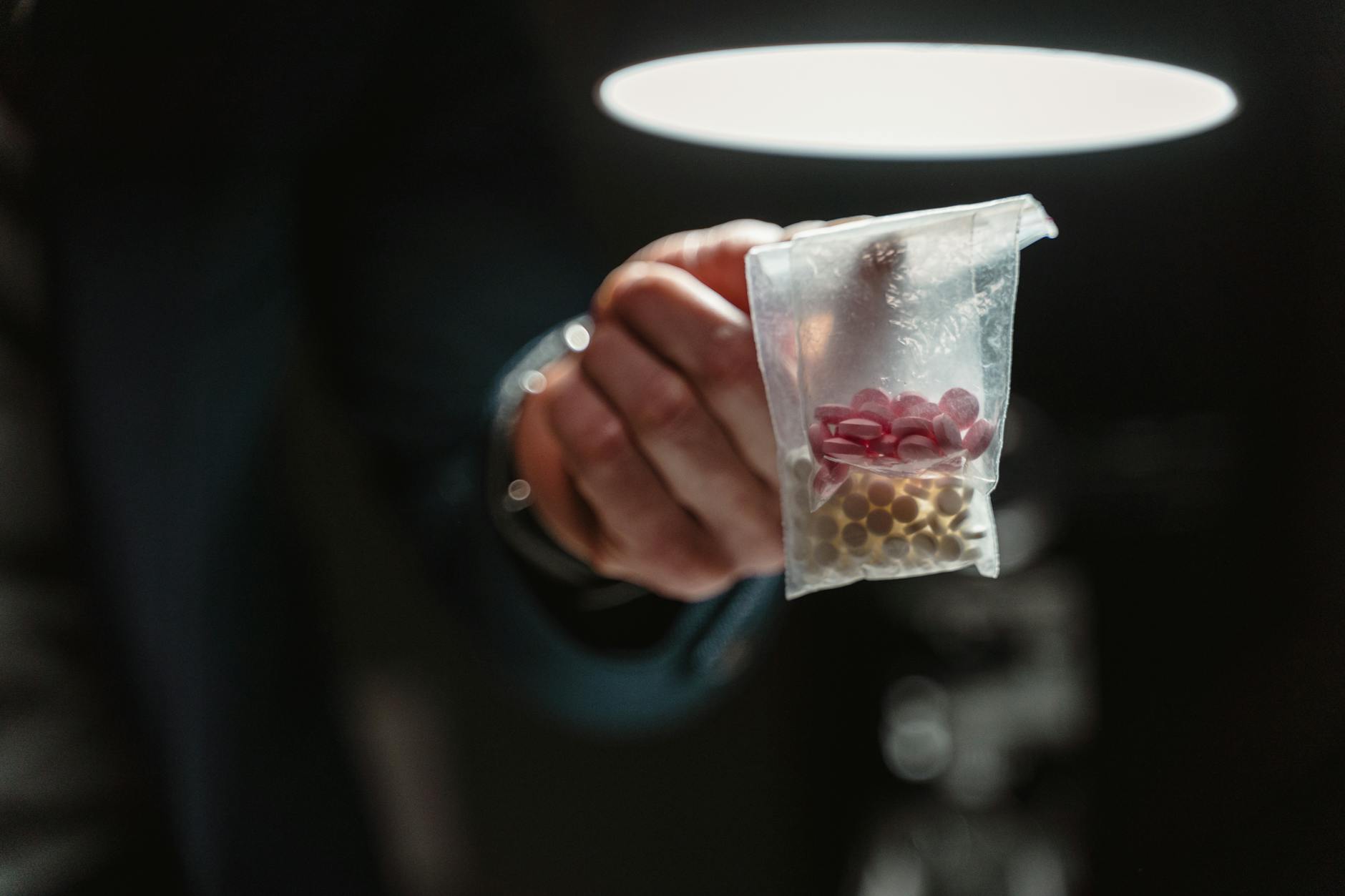
Breaking the Cycle: Practical Steps to Overcome Addiction
Overcoming addiction is a challenging journey that often requires a structured approach. Substance use disorders affect millions of people and can lead to devastating consequences. However, with the right strategies and support, many individuals can reclaim their lives.
A substance use disorder occurs when someone cannot control their use of drugs or alcohol despite facing harmful consequences. Understanding this topic is vital because it affects not only those struggling but also families, friends, and communities at large.
Understanding Triggers
Triggers are specific situations or feelings that lead someone to crave substances. Identifying these triggers is crucial for managing cravings. Common triggers include stress, social situations, or places associated with past substance use. Recognizing these patterns helps individuals prepare for challenges during recovery.
Building a Support Network
A strong support network is essential for recovery. Friends, family members, and support groups provide encouragement and accountability. Sharing experiences with others who understand can lessen feelings of isolation and foster resilience. Many find comfort and strength through organizations like Alcoholics Anonymous or Narcotics Anonymous, which offer community support.
How It Works: The Science Behind Addiction
Brain Chemistry Changes
Addiction significantly alters brain chemistry. Substances affect neurotransmitters, which are chemicals that transmit signals in the brain. For instance, drugs may increase dopamine levels, creating feelings of pleasure. Over time, the brain adjusts to these changes, leading to dependence on substances to feel normal.
The Role of Genetics
Genetics play a significant role in addiction risk. Studies indicate that up to 60% of an individual’s vulnerability to addiction can be inherited. People with a family history of substance use disorders may have a higher chance of developing similar issues themselves. Understanding genetic predisposition helps identify those at risk early.
Common Myths About Substance Use Disorders
Myth: Addiction is a Choice
A common misconception is that addiction arises from poor choices or lack of willpower. In reality, addiction is a complex disease that changes brain structure and function. It requires comprehensive treatment rather than simple self-control.
Myth: You Can Just “Stop Anytime”
Many believe that quitting substances is as easy as deciding to stop. However, addiction often involves physical dependence and withdrawal symptoms that can make cessation extremely difficult without professional help.
The Path to Recovery: Different Approaches Explained
Cognitive Behavioral Therapy
Cognitive Behavioral Therapy (CBT) is an effective treatment for many people struggling with addiction. CBT focuses on changing negative thought patterns and behaviors associated with substance use. By addressing these issues directly, individuals learn healthier coping strategies.
Medication-Assisted Treatment
Medication-Assisted Treatment (MAT) combines medications with counseling and behavioral therapies to treat substance use disorders effectively. This approach helps manage withdrawal symptoms and cravings while supporting recovery efforts.
Recognizing the Signs: When to Seek Help
Physical Indicators
Physical signs of substance use disorders can include changes in appearance, unexplained weight loss or gain, and neglecting personal hygiene. These indicators often signal that someone may need help.
Behavioral Changes
Behavioral changes may manifest as secretive behavior, withdrawal from social activities, or increased irritability. Recognizing these signs early can prompt intervention before conditions worsen.
Preventative Measures: Staying Ahead of Addiction
Healthy Coping Mechanisms
Developing healthy coping mechanisms can reduce the risk of substance use disorders. Engaging in physical activity, practicing mindfulness or meditation, and cultivating hobbies are effective strategies for managing stress without turning to substances.
The Importance of Education
Education about substance use disorders plays a vital role in prevention efforts. By understanding the risks associated with drug and alcohol use, individuals can make informed decisions that promote healthier lifestyles.
Success Stories: Real-Life Recovery Journeys
Transformative Experiences
Many individuals have turned their lives around after grappling with addiction. Stories of recovery often highlight personal growth, resilience, and hope for the future. These narratives inspire others facing similar struggles.
The Role of Community Support
A strong community support system can greatly enhance recovery success rates. Whether through local groups or online forums, shared experiences foster connection and encourage individuals on their paths toward sobriety.
In conclusion, overcoming addiction is challenging but possible with the right tools and support systems in place. By understanding triggers, utilizing effective treatments like CBT or MAT, recognizing signs early on, and building healthy habits, anyone can embark on a successful recovery journey.
Practical Steps to Overcome Addiction
- Self-Assessment: Acknowledge the problem and evaluate the extent of substance use.
- Set Clear Goals: Define what recovery means and set achievable milestones.
- Seek Support: Engage with friends, family, or support groups for encouragement.
- Develop Coping Strategies: Learn healthier ways to manage stress through exercise or mindfulness practices.
- Stay Committed: Understand that setbacks may occur; perseverance is key.
The Science Behind Addiction
Addiction alters brain chemistry and affects decision-making processes. Substances often trigger the release of dopamine, leading to feelings of pleasure. Over time, the brain adapts, requiring increased amounts to achieve the same effect. This cycle creates a powerful compulsion to use substances despite negative consequences.
Misinformation About Substance Use Disorders
- Addiction is a choice; it’s actually a complex disease affecting brain function.
- People can quit on their own without help; most require professional support for effective recovery.
- Treatment is one-size-fits-all; effective treatment is personalized based on individual needs.
The Path to Recovery: Common Approaches
- Cognitive Behavioral Therapy (CBT): Helps individuals change negative thought patterns related to substance use.
- Medication-Assisted Treatment (MAT): Uses medications alongside counseling for treating addiction effectively.
- Support Groups: Programs like Alcoholics Anonymous (AA) offer peer support through shared experiences.
Recognizing Signs of Addiction
- Increased tolerance or withdrawal symptoms.
- A persistent desire to cut down or control substance use without success.
- Neglecting responsibilities at work, school, or home due to substance use.
Preventative Measures Against Addiction
- Education about risks associated with substance use deters experimentation.
- Coping Skills Development teaches how to handle stress without relying on substances.
- Cultivating Healthy Relationships provides support during tough times and discourages substance use.
The Journey of Recovery
The path to recovery is filled with challenges; however, many have triumphed over addiction through structured support systems and personal determination. These stories illustrate that recovery is not only possible but can lead to fulfilling lives beyond addiction.
Sources
- Addiction and Substance Abuse Health Center
- policies.google.com
- policies.google.com
- blogs.webmd.com
- blogs.webmd.com
- blogs.webmd.com
- blogs.webmd.com
- blogs.webmd.com
- blogs.webmd.com
- doctor.webmd.com
Articles
- Supportive Mental Health Resources for the LGBTQIA+ Community
- Comprehensive Guide to Understanding and Treating Acne Conditions
- Vistaril (Hydroxyzine Pamoate) for Anxiety: Uses, Side Effects, Dosage
- Understanding Vivid Dreams: Causes and How to Manage Them
- Aphrodisiacs: Understanding Types, Uses, and Their Impact on Libido
- Understanding the Sinclair Method for Alcohol Addiction Recovery
Days
Why do you keep falling for the same type?
Read the article Lovemaps: the hidden blueprint of our love.
Did you not find what you were looking for? Let me help you find more.
