
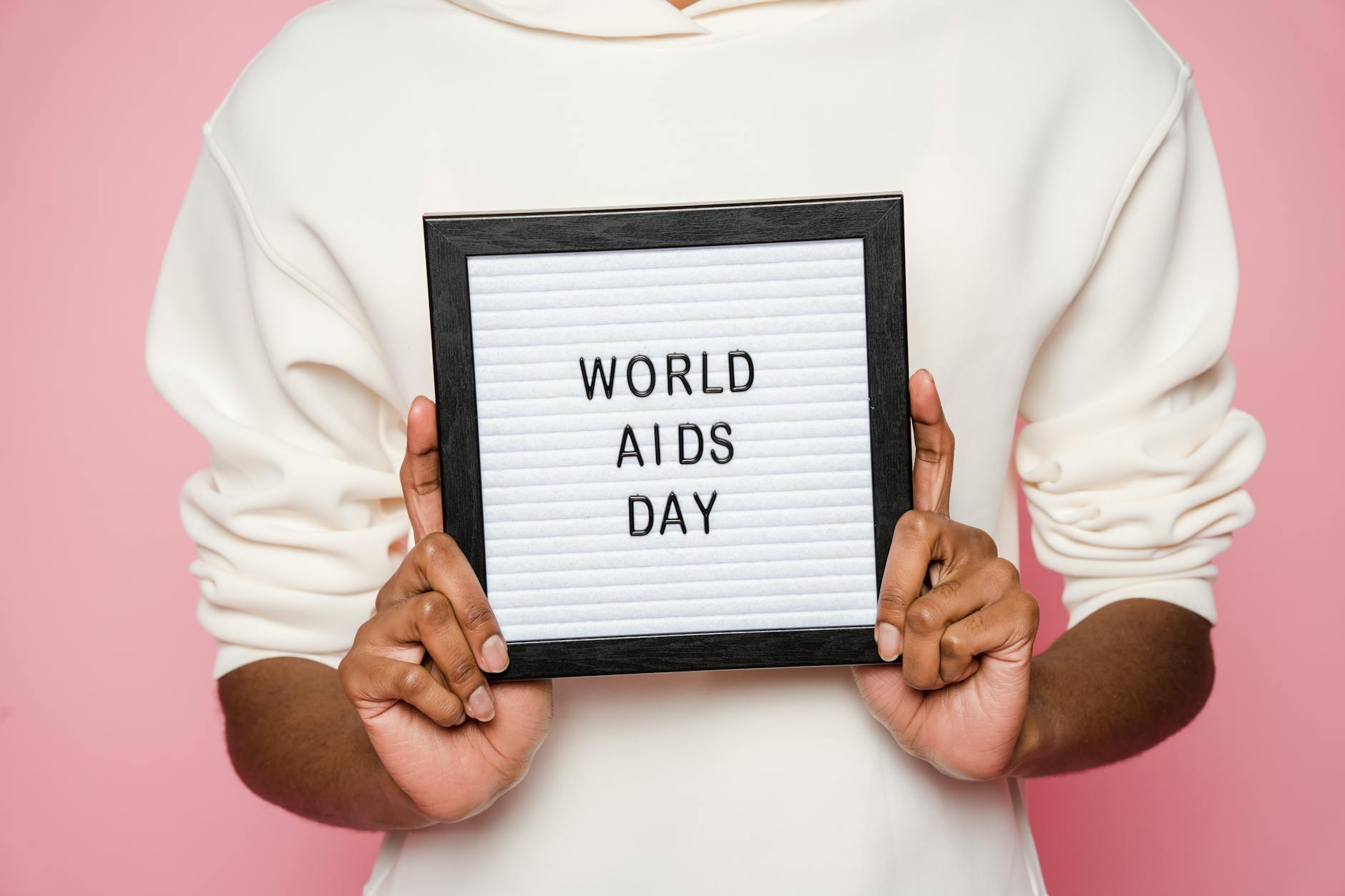
Understanding the Basics of HIV and AIDS
HIV, or human immunodeficiency virus, is a virus that attacks the body’s immune system. If left untreated, HIV can lead to AIDS (acquired immunodeficiency syndrome), a condition that severely weakens the immune system and increases vulnerability to infections and diseases. Awareness about HIV is essential because it affects millions worldwide and can lead to serious health complications if not managed properly.
The Importance of Early Awareness
Early awareness of HIV can lead to timely testing and treatment. Knowing one’s status allows individuals to take necessary precautions to protect themselves and others. Awareness campaigns play a critical role in educating people about transmission methods and prevention strategies.
Real-Life Impacts on Daily Life
Living with HIV can affect various aspects of daily life, including relationships, mental health, and employment. Stigma and discrimination often accompany an HIV diagnosis, leading to feelings of isolation and anxiety. Understanding the realities of living with HIV helps break down barriers and fosters support within communities.
How It Works: The Science Behind HIV
The Virus and Its Mechanism
HIV primarily spreads through blood, sexual fluids, and breast milk. Once inside the body, the virus targets CD4 cells, which are crucial for a healthy immune response. By replicating within these cells, HIV weakens the immune system over time.
Immune System Interaction
The immune system usually fights off infections effectively; however, HIV disrupts this process. As CD4 cell counts drop due to viral replication, the body becomes less capable of defending itself against other infections and diseases.
Common Misconceptions About HIV
Myths vs. Reality
Misinformation about HIV contributes to fear and stigma. Many believe that HIV only affects certain groups of people or that it can be transmitted through casual contact. In reality, anyone can contract HIV regardless of age, race, or sexual orientation.
Understanding Transmission Risks
HIV transmission occurs primarily through unprotected sexual contact, sharing needles, or from mother to child during childbirth or breastfeeding. Understanding these risks is key to prevention efforts.
Signs to Watch For: Recognizing Symptoms
Early Indicators of Infection
People may experience flu-like symptoms shortly after contracting HIV. These can include fever, fatigue, swollen lymph nodes, and sore throat. However, many individuals may not show any symptoms for years.
Long-Term Effects on Health
If untreated, HIV can progress to AIDS over many years. This stage brings severe symptoms like rapid weight loss, extreme fatigue, prolonged swelling of lymph nodes, and recurrent fever or profuse night sweats. Being aware of these signs helps in seeking timely medical help.
Testing: The Key to Knowledge
Types of Tests Available
There are several types of tests for HIV: antibody tests detect the presence of antibodies to the virus; antigen/antibody tests can identify both antibodies and antigens; and nucleic acid tests (NAT) look for the virus itself. Testing is crucial for early diagnosis.
What to Expect During Testing
HIV testing typically involves a simple blood draw or oral swab. Results may take just a few minutes or several days depending on the type of test used. It’s important for individuals to discuss any concerns with their healthcare provider before testing.
Navigating Treatment Options
Current Therapies Explained
While there is no cure for HIV, antiretroviral therapy (ART) can effectively manage the virus. ART helps reduce viral load to undetectable levels, allowing individuals to live long, healthy lives while minimizing transmission risk.
The Role of Medication Adherence
Adhering to prescribed medication regimens is vital for keeping the virus suppressed. Consistent use of ART reduces the risk of developing drug resistance and maintains overall health.
Living Well with HIV: Lifestyle Considerations
Nutritional Choices for Health
A balanced diet plays a significant role in managing health with HIV. Eating nutrient-rich foods strengthens the immune system and helps combat side effects from medications. Staying hydrated is equally important.
Mental Health and Community Support
Mental health is vital for those living with HIV due to the emotional toll it can take. Support groups offer connection and understanding from people facing similar challenges. Engaging with community resources fosters resilience.
Looking Ahead: Future Directions in HIV Research
Innovations in Treatment Approaches
Research continues to explore new treatment methods aimed at enhancing effectiveness while reducing side effects. Long-acting injectable treatments are one promising area that may improve adherence rates among patients.
The Search for a Vaccine
The quest for an effective vaccine against HIV remains ongoing. Scientists are working diligently on various approaches that could provide immunity against this challenging virus in the future.
The journey through understanding HIV involves recognizing its complexities and impacts on individuals’ lives. With continued awareness, education, and research advancements, there is hope for better management strategies and possibly a future without this virus affecting so many lives.
Sources
- AIDS and HIV Health Center – WebMD
- policies.google.com
- policies.google.com
- blogs.webmd.com
- blogs.webmd.com
- blogs.webmd.com
- blogs.webmd.com
- blogs.webmd.com
- blogs.webmd.com
- blogs.webmd.com
- doctor.webmd.com
Articles
- Substance Abuse and Addiction Health Information Center
- Means of Communication: Methods for Exchanging Information Effectively
- Zoloft: Key Information on Uses, Dosages, Side Effects, and Precautions
- Library and Information Science: Overview of Academic Disciplines
- The Streisand Effect: How Information Suppression Can Backfire
- Understanding Information Processing Theory in Psychology
Days
- August 31: Make room for useful information
- September 15: Myotonic Dystrophy Day
- September 15 - October 15: Hispanic Heritage Month (United States)
- Mid-September: Eczema Week (United Kingdom)
- Second Week of September: Heritage Open Days (United Kingdom)
- September 11: Radio Day (Indonesia)
Why do you keep falling for the same type?
Read the article Lovemaps: the hidden blueprint of our love.
Did you not find what you were looking for? Let me help you find more.
