
Finding Connection in a Crowd
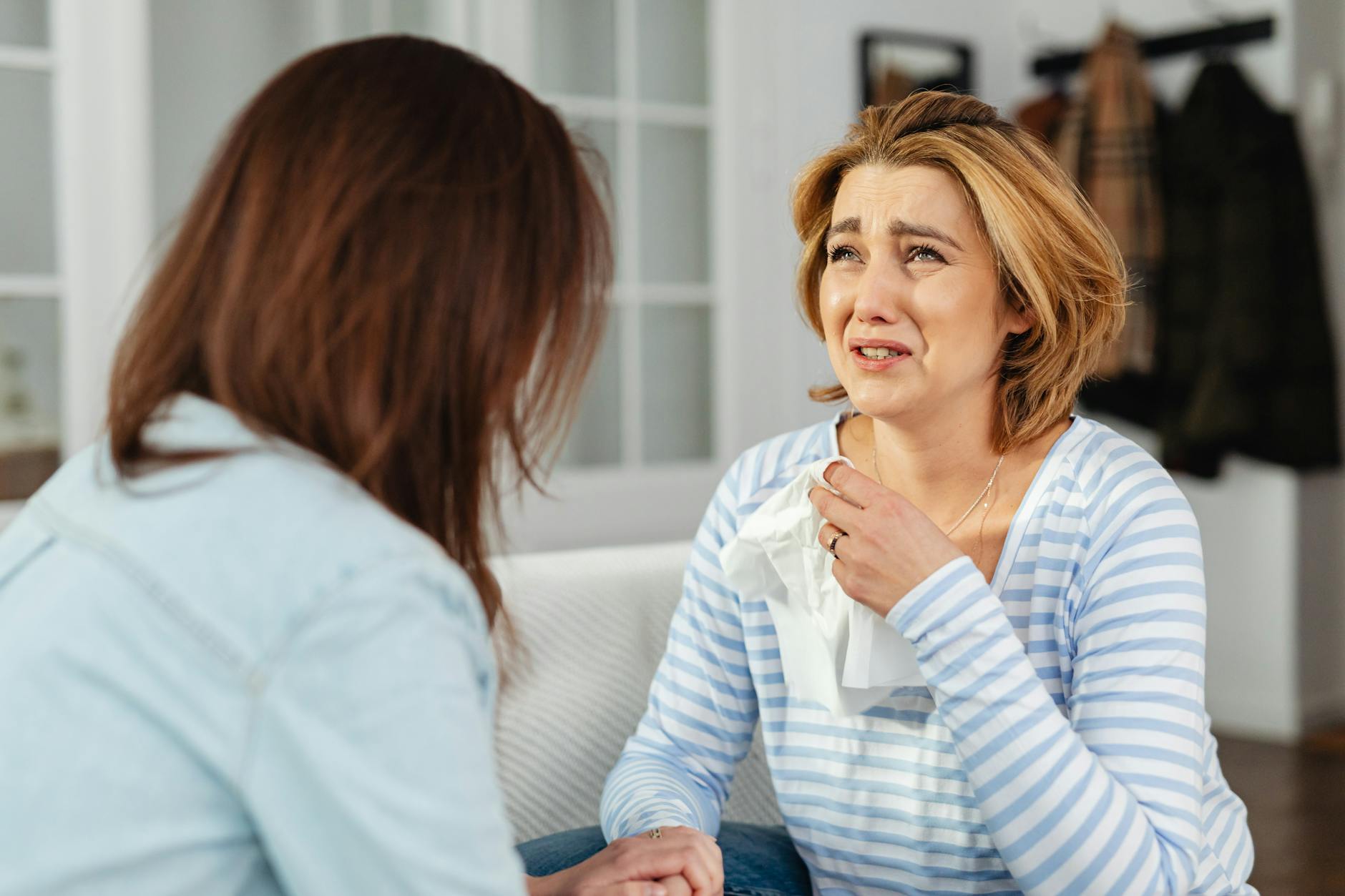
After a long day, she sat across from her partner at dinner, surrounded by the familiar ambiance of their favorite restaurant. Despite the laughter and the clinking of glasses around them, she felt an overwhelming sense of isolation. This experience is more common than many realize; people can feel lonely even when they’re physically close to someone they love.
Loneliness is a negative state characterized by feelings of discomfort or social pain. You might feel empty or unwanted, even when surrounded by others. Understanding why loneliness can occur in relationships is essential for those affected, as it can lead to deeper emotional issues and impact overall well-being.
The Paradox of Togetherness
Being in a relationship doesn’t guarantee feelings of connection. Many people report feeling lonely while still being with their partners. This paradox stems from various factors that can create emotional distance despite physical closeness. Often, one partner may feel neglected or unheard, leading to feelings of isolation.
Why Loneliness Can Strike
Several reasons contribute to feelings of loneliness in relationships. Situational pressures like parenting or demanding jobs can create distance between partners. Over time, couples may drift apart if they don’t prioritize intimacy and communication. Additionally, personal issues or unmet emotional needs can exacerbate feelings of loneliness.
How It Works: The Science of Emotional Disconnection
Brain Chemistry and Relationships
Research shows that the brain’s chemistry plays a significant role in how we experience emotions related to loneliness. Increased levels of cortisol, the stress hormone, can lead to anxiety and depression. When individuals feel isolated, their mental health and overall relationship satisfaction may be negatively impacted.
The Role of Attachment Styles
Your attachment style,how you relate to others based on past experiences,can influence your feelings of loneliness in a relationship. Those with insecure attachment styles may struggle more with emotional connections and are often more susceptible to feeling isolated, even in loving partnerships.
Common Misconceptions About Loneliness
Myth: Loneliness Only Affects Single People
Many people believe loneliness is exclusive to those who are single or without partners. However, research indicates that individuals in relationships can experience profound loneliness just as intensely as those who are alone.
Myth: You Shouldn’t Feel Lonely If You’re in Love
This myth suggests that love alone should shield people from feelings of loneliness. In reality, love does not always translate into emotional connection; partners can feel disconnected despite their affection for each other.
Exploring the Roots of Your Feelings
Identifying Personal Triggers
Understanding what triggers your feelings of loneliness is crucial. Reflect on your emotions during specific interactions with your partner or after certain events that may lead to disconnection. Recognizing these patterns can help you address the underlying issues.
Understanding Your Relationship Dynamics
A healthy relationship relies on mutual understanding and communication. If either partner feels lonely, it’s essential to analyze how both individuals contribute to these feelings. Open discussions about needs and expectations are vital for maintaining connection.
Practical Strategies for Reconnection
Engaging in Shared Activities
Participating in activities together can reignite the spark in a relationship. Whether it’s cooking a meal, going for a hike, or participating in a new hobby, shared experiences foster bonding and help alleviate loneliness.
Prioritizing Quality Time Together
Setting aside dedicated time for one another is crucial. Busy schedules often push couples apart, making it important to prioritize quality time together free from distractions like phones or work.
The Importance of External Support Systems
Nurturing Friendships and Family Ties
A strong support network outside of your romantic relationship can reduce feelings of loneliness. Spend time nurturing friendships and family connections that remind you of your worth outside your partnership.
Community Engagement and Its Benefits
Engaging with your community through volunteering or local activities can provide fulfillment and combat loneliness. Helping others not only strengthens social ties but also enhances personal well-being.
When to Seek Professional Guidance
Recognizing the Signs for Help
If feelings of loneliness persist despite efforts to reconnect, it may be time to seek professional help. A therapist can offer strategies tailored to your specific situation and assist both partners in overcoming emotional barriers.
The Role of Counseling in Strengthening Bonds
Couples therapy provides a safe space for partners to express their feelings and work through challenges together. With professional support, couples can learn effective communication skills and rebuild their emotional connection.
Takeaways
If you’re feeling lonely despite being in a relationship, recognize that this experience is valid and common. Explore what might be causing these feelings and take proactive steps toward reconnecting with your partner through open communication and shared experiences. Remember that nurturing external relationships also plays a key role in enhancing your emotional well-being.
Coping with loneliness within a relationship requires effort from both partners but can lead to deeper connections and understanding over time.
Sources
- What to Do If You’re Feeling Lonely in a Relationship
- doi.org
- mcc.gse.harvard.edu
- doi.org
- doi.org
- doi.org
- doi.org
- doi.org
- doi.org
Articles
- What to Avoid Saying to Someone with Cancer and Better Alternatives
- Healing Your Mother Wound: Impact on Relationships and Self-Care
- Understanding Borderline Personality Disorder and Its Impact on Life
- Understanding Anguish: Causes, Effects, and Coping Strategies
- Ways to Resist Cheating and Strengthen Your Relationship
- Tips from Therapists to Improve Your Friendship Skills
Why do you keep falling for the same type?
Read the article Lovemaps: the hidden blueprint of our love.
Did you not find what you were looking for? Let me help you find more.
