
Everyday Challenges: Navigating Life with Developmental Disabilities
Developmental disabilities are conditions that begin in childhood and affect the way a person thinks, learns, and interacts with others. These disabilities can significantly impact daily activities and require ongoing support throughout life. They encompass a range of conditions that affect intellectual abilities, physical abilities, language skills, behavior, and overall development.
The Impact on Daily Activities
Individuals with developmental disabilities often face challenges in their everyday lives. These challenges can manifest in various ways, including difficulties with communication, social interactions, learning new skills, and managing daily tasks. For instance, a child with autism may struggle to engage in conversations or play appropriately with peers. Such challenges can lead to feelings of frustration or isolation for both the child and their family. Moreover, adults with developmental disabilities may find it hard to secure employment or live independently. Support systems and adaptive strategies play a crucial role in helping these individuals navigate their daily lives more effectively.Building a Supportive Environment
Creating a supportive environment is essential for individuals with developmental disabilities. This involves fostering understanding and acceptance within families, schools, and communities. Schools should provide tailored educational plans that accommodate different learning needs. Community organizations can offer resources and advocacy to help families access necessary services. Additionally, promoting awareness about developmental disabilities can help reduce stigma and encourage inclusivity. When society understands these conditions better, it becomes easier for those affected to thrive.Breaking Down the Basics of Developmental Disabilities
What Are Developmental Disabilities?
Developmental disabilities encompass various conditions that impact an individual’s ability to function in everyday life. Some common examples include attention deficit hyperactivity disorder (ADHD), autism spectrum disorder (ASD), learning disabilities, and cerebral palsy. According to the Centers for Disease Control and Prevention (CDC), approximately 1 in 6 children has a developmental disability.Common Characteristics and Behaviors
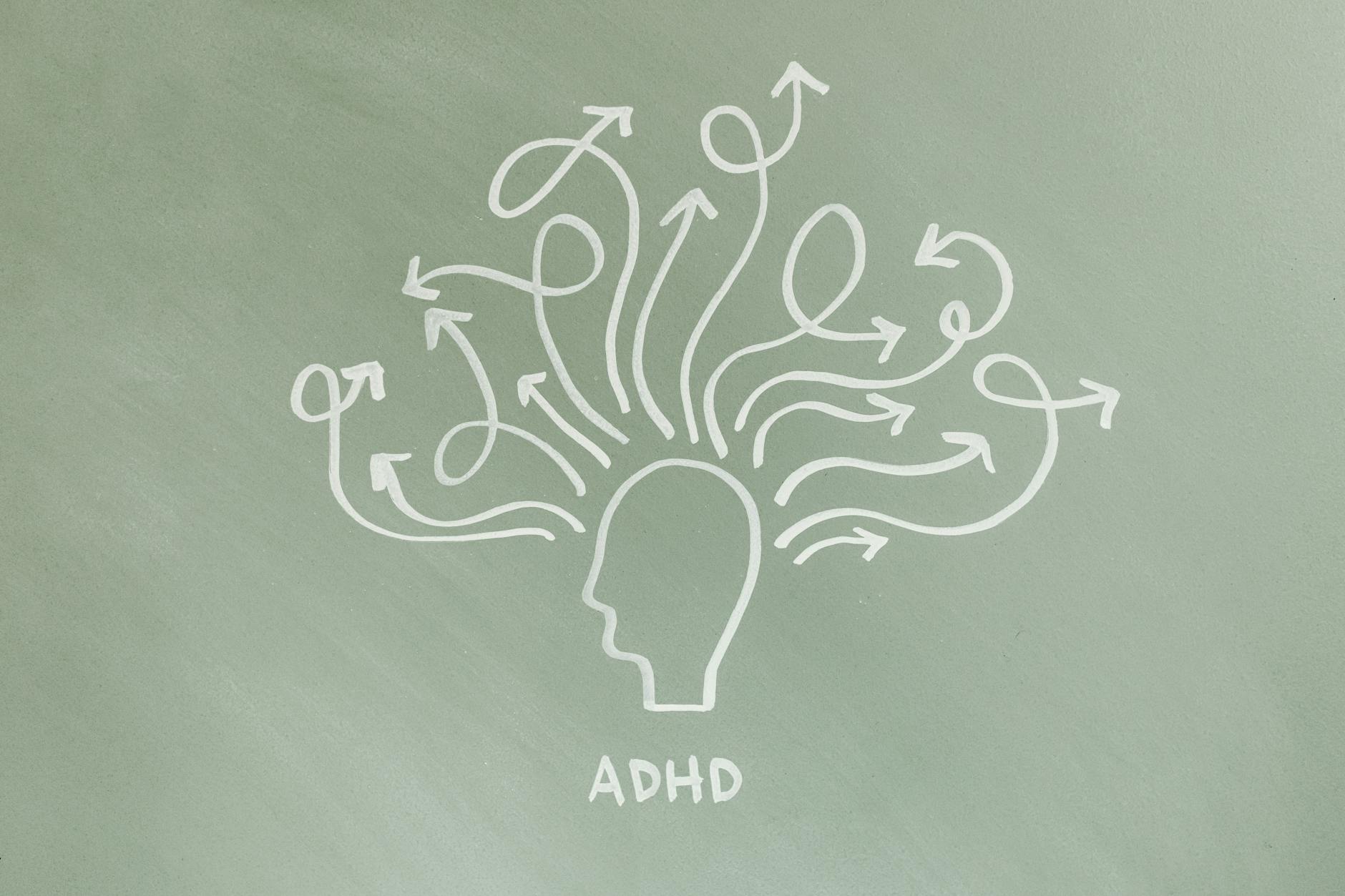
People with developmental disabilities may exhibit a range of characteristics depending on their specific condition. For instance:- ADHD: Impulsivity, difficulty focusing, and hyperactivity.
- Autism: Challenges in social interaction, communication difficulties, and restricted interests or behaviors.
- Learning Disabilities: Trouble with reading, writing, or math skills despite having average or above-average intelligence.
How It Works: The Science Behind Developmental Disabilities
The Role of Genetics and Environment
The causes of developmental disabilities are complex and often involve a combination of genetic factors and environmental influences. Genetic predispositions may increase the likelihood of certain conditions manifesting. For example, children with a family history of ADHD are more likely to develop it themselves. Environmental factors can also play a critical role. Exposure to toxins during pregnancy or early childhood, such as lead, can increase the risk of developing various disabilities.Brain Development and Functionality
Brain development is fundamental to understanding developmental disabilities. Certain conditions arise from atypical brain development during pregnancy or early childhood. For instance, autism spectrum disorders have been linked to differences in brain structure and function. Research continues to explore how brain abnormalities correlate with specific behavioral symptoms associated with developmental disabilities.Recognizing the Signs: Early Detection Matters
Indicators in Infancy and Childhood
Early signs of developmental disabilities often appear in infancy or early childhood. Delayed speech development, difficulty making eye contact, or failure to meet basic milestones may raise concerns for parents or caregivers. Regular screenings conducted by pediatricians can help identify these issues early. The Academy of American Pediatrics recommends screening at key ages: 9 months, 18 months, and 30 months,to catch potential delays early.The Importance of Timely Intervention
Timely intervention is vital for improving outcomes for children with developmental disabilities. Early intervention services can significantly enhance a child’s ability to function effectively later in life. Accessing these services as soon as concerns arise can lead to better long-term results.Common Myths: Debunking Misconceptions
Myth 1: Developmental Disabilities are Always Obvious
Many people believe that developmental disabilities are easy to recognize; however, this is not always the case. Some individuals may show subtle signs that go unnoticed until they reach school age or beyond. It’s crucial not to dismiss concerns simply because a child appears “normal” on the surface.Myth 2: Individuals with Developmental Disabilities Cannot Learn
Another misconception is that people with developmental disabilities cannot learn new skills. In reality, many individuals can learn effectively when provided appropriate support tailored to their unique needs. With the right interventions and encouragement, they can thrive academically and socially.Support Systems: Resources and Strategies for Families
Educational Support and Accommodations
Families must seek out educational resources that cater to their child’s specific needs. Individualized Education Programs (IEPs) can provide customized learning strategies in schools. Teachers trained in special education can offer additional assistance tailored to each student’s strengths and weaknesses.Community Resources and Advocacy Groups
Community resources play an essential role in supporting families dealing with developmental disabilities. Local organizations often provide information about services available for children and adults alike. Advocacy groups work tirelessly to promote awareness and access to necessary support systems.The Future of Understanding and Support
Advancements in Research and Treatment
Ongoing research is crucial for advancing our understanding of developmental disabilities. Scientists are exploring new treatments that may improve outcomes for those affected by these conditions. This research could lead to more effective therapies tailored to individual needs.Promoting Inclusion and Awareness in Society
Society’s perception of developmental disabilities continues to evolve as awareness increases. Promoting inclusion within communities helps foster acceptance and creates opportunities for individuals with developmental disabilities to participate fully in society. In conclusion, understanding developmental disabilities is vital for creating supportive environments where affected individuals can thrive. By recognizing the signs early on, dispelling myths, accessing resources, and advocating for inclusive practices, we can make significant strides toward improving the quality of life for those impacted by these conditions.Sources
- Developmental Disabilities: Types, Causes, Coping
- www.cdc.gov
- www.cdc.gov
- doi.org
- publications.aap.org
- www.nichd.nih.gov
- www.cdc.gov
- www.cdc.gov
- www.nichd.nih.gov
- www.cdc.gov
- www.cdc.gov
Read more about: Conditions
Why do you keep falling for the same type?
Read the article Lovemaps: the hidden blueprint of our love.
Did you not find what you were looking for? Let me help you find more.
