
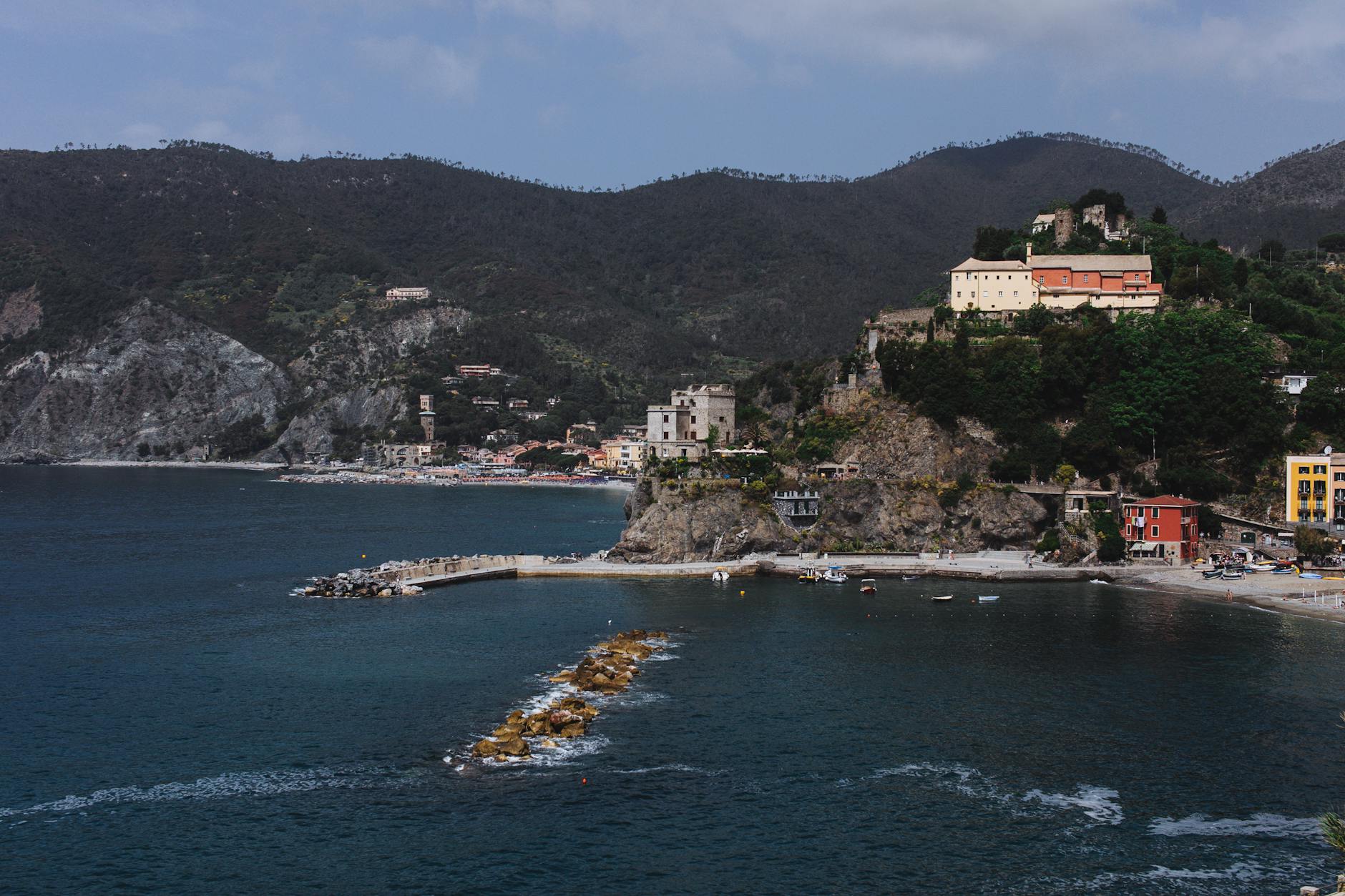
Unearthing the Past: The Allure of Acquarossa
Acquarossa, an archaeological site located in the north of Italy’s Lazio region, was once home to an Etruscan settlement that has not been built over since ancient times. Although smaller than other notable Etruscan towns, Acquarossa has become essential for archaeologists. Excavations have uncovered early public and private buildings, revealing distinctive terracotta roof decorations typical of Etruscan architecture. The settlement was mysteriously abandoned around 500 BCE, possibly due to conflicts with larger neighboring cities.
A Journey Through Time
Acquarossa is situated on a plateau about 6 kilometers north of Viterbo at the northern edge of the Lazio region. The town was part of Cerveteri (also known as Cisra or Caera). Swedish archaeologists conducted excavations from 1966 to 1978, uncovering traces of an Iron Age village characterized by circular and oval huts belonging to the Villanovan culture, the precursor to the Etruscans. By the 7th century BCE, rectangular houses made from tufa blocks emerged. These homes featured walls constructed with sun-dried mud bricks and were often faced with plaster or occasionally tufa blocks supported by wooden posts. Their thatched roofs showcased terracotta additions that allowed smoke to escape through a movable tile.
Why It Matters Today
Understanding Acquarossa helps us appreciate the complexities of Etruscan society and its contributions to later cultures, including Rome. The excavation findings shed light on various aspects of daily life in ancient times, from social structures to artistic practices. The artifacts reveal how people lived, worked, and interacted with their environment.
Life in Acquarossa: Daily Routines of an Etruscan Community
Food and Agriculture
The diet in Acquarossa was likely diverse, relying on local agricultural practices. Excavations have revealed large pottery jars used for storing dried food goods and agricultural tools indicating a strong focus on farming. The presence of metal workshops suggests that tools were crafted locally, enhancing efficiency in food production and processing.
Social Structures and Roles
Acquarossa had an estimated population of around 7,000 at its peak. Archaeological findings indicate a community organized around shared spaces and resources. Houses often grouped around courtyards provided areas for communal living and interaction. Some homes had dedicated spaces for housing animals, reflecting an integrated approach to agriculture and daily life.
The Art and Craftsmanship of Acquarossa
Pottery and Decoration Techniques
The archaeological site yielded numerous terracotta roof decorations typical of Etruscan architecture, suggesting that Acquarossa had its own workshops producing these items from local clay. Many pieces date back to the late 7th century and early 6th century BCE, showcasing indigenous traditions distinct from Greek architectural influences. Decorations included painted figures depicting animals and human forms, illustrating both artistic skill and cultural significance.
Trade and Cultural Exchange
The art found at Acquarossa reveals insights into trade relationships with other cultures. Painted terracotta relief plaques decorated building gables in sacred complexes, depicting lively scenes such as dinner parties with musicians and acrobats or warriors accompanied by charioteers. Many motifs echoed Greek mythology, indicating cultural exchanges between the Etruscans and their Greek neighbors.
How It Works: Archaeological Techniques Unveiled
Excavation Methods
Archaeologists employ various excavation techniques to uncover layers of history at sites like Acquarossa. Systematic digging allows researchers to analyze different strata to understand how the settlement developed over time. Careful documentation ensures that each find is recorded accurately for further study.
Dating Artifacts and Structures
Dating techniques are crucial for establishing timelines at archaeological sites. Radiocarbon dating helps determine the age of organic materials found during excavations, while stratigraphy allows researchers to infer timelines based on soil layers. These methods provide context for understanding how Acquarossa fits into broader historical narratives.
Common Misconceptions About Etruscan Civilization
The Etruscans Were Not Just Romans’ Predecessors
A common misconception is that the Etruscans were merely precursors to Roman civilization. In reality, they were a distinct culture with unique customs, artistry, and social structures that influenced Rome but also existed independently long before its rise.
Misunderstanding Their Language and Writing Systems
Many people believe that Etruscan writing is unreadable; however, scholars have made significant strides in deciphering their language. The Etruscans had their own writing system distinct from Latin or Greek scripts, adding complexity to our understanding of their culture.
The Legacy of Acquarossa: What We Can Learn Today
Insights into Sustainable Living
The findings at Acquarossa offer valuable lessons about sustainable living practices integrated into daily life by ancient communities. Their methods emphasize resourcefulness in agriculture and craftsmanship that many modern societies could learn from today.
Cultural Contributions to Modern Society
The artistic achievements and social organization observed at Acquarossa contribute significantly to our understanding of cultural development in ancient Italy. These contributions reflect a rich tapestry of influence that persists in various forms within contemporary society.
The Future of Acquarossa: Preservation Efforts and Challenges
Current Research Initiatives
Efforts continue to preserve Acquarossa as new archaeological projects aim to uncover more about this fascinating settlement. Ongoing research focuses on further excavations and analysis of artifacts to enrich our understanding of Etruscan life.
Community Involvement and Education Programs
Community engagement plays a crucial role in preservation efforts at Acquarossa. Educational programs aim to raise awareness about its historical significance while fostering local interest in archaeology and heritage conservation.
The story of Acquarossa reveals much about the lives of the Etruscans and their lasting impact on future civilizations. Continued exploration and preservation efforts will ensure that this ancient settlement remains a vital part of our understanding of history.
Sources
Why do you keep falling for the same type?
Read the article Lovemaps: the hidden blueprint of our love.
Did you not find what you were looking for? Let me help you find more.
