
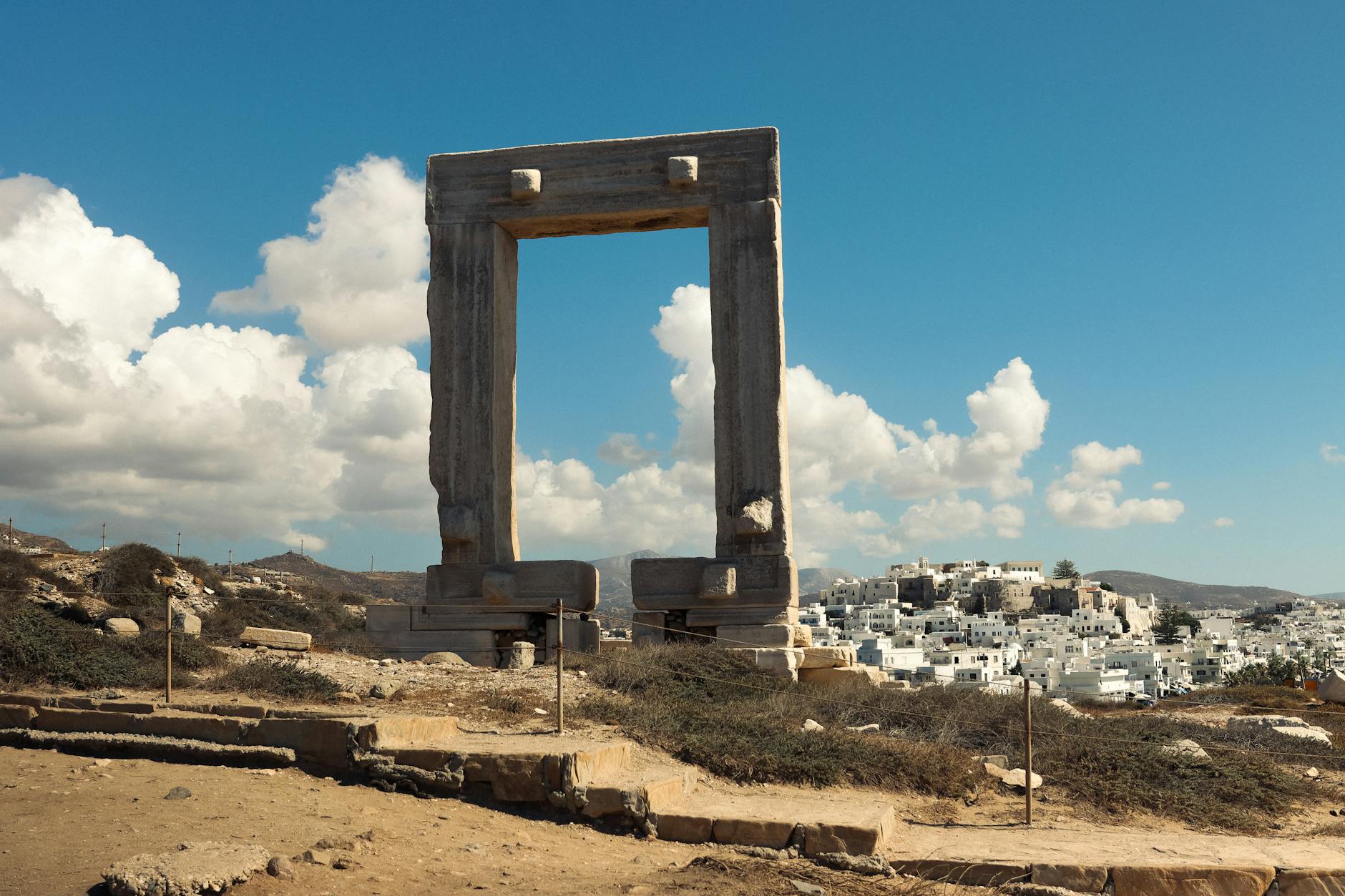
Why the Aegean Sea Matters Today
The Aegean Sea, located between the coasts of Greece and Turkey, has been a vital part of human history for thousands of years. It contains over 2,000 islands, many of which played significant roles in ancient civilization and mythology. Understanding the Aegean is essential as it continues to influence trade, culture, and tourism in modern times.
Economic and Cultural Impact
The Aegean Sea has long been crucial for economic activities in Greece and surrounding regions. Ancient civilizations, such as the Mycenaeans, depended on the sea for trade and travel. They exchanged goods like figs, grapes, wine, and marble across vast distances, reaching as far as Egypt and Spain. This maritime trade created wealth and fostered cultural connections among various societies.
Today, the Aegean remains vital economically. It supports local fishing industries and serves as a conduit for international trade. Additionally, cultural traditions tied to the sea continue to shape local identities and practices. The rich history of maritime activities is celebrated through festivals and customs that attract visitors from around the world.
Tourism and Heritage
The Aegean Sea is a cornerstone of Greece’s tourism industry. Travelers flock to its stunning islands like Santorini and Crete, drawn by their natural beauty and historical significance. Tourists explore ancient ruins, enjoy local cuisine, and immerse themselves in traditional Greek culture. This influx of visitors provides economic benefits while also raising awareness about the region’s heritage.
Heritage conservation is critical as tourism grows. Many organizations work to protect archaeological sites and promote sustainable practices to preserve the natural environment. Balancing tourism with conservation efforts helps maintain the Aegean’s beauty for future generations.
Exploring the Ancient Maritime Highways
Trade Routes and Connectivity
The Aegean Sea served as a vital network of trade routes in antiquity. The Mycenaeans established extensive commercial links throughout the region, allowing them to exchange goods efficiently. These routes facilitated not only economic transactions but also cultural exchanges between diverse peoples living along the coastlines.
As trade flourished, so did connections between islands. The movement of people and ideas across these maritime highways contributed to advancements in art, philosophy, and technology during ancient times. The Aegean was more than just water; it was a lifeline for civilizations that thrived because of it.
Cultural Exchange through the Ages
The cultural impact of the Aegean Sea extends beyond trade alone. As communities interacted through commerce, they shared languages, beliefs, and customs. This exchange laid the foundation for what would become classical Greek culture.
Notable historical figures like Homer drew inspiration from these interactions when writing epic tales that are still celebrated today. Myths such as Jason and the Argonauts or Theseus’s encounter with the Minotaur highlight how intertwined these narratives are with the sea itself.
How It Works: The Aegean Ecosystem
Marine Biodiversity
The Aegean Sea boasts a rich marine ecosystem teeming with biodiversity. Its waters host various species of fish, marine mammals, and unique flora that thrive in this environment. The region’s geological features create distinct habitats where different life forms flourish.
This biodiversity is essential for ecological balance; it also supports local fisheries and recreational activities like diving and snorkeling. Protecting these ecosystems is crucial for sustaining both marine life and human livelihoods dependent on them.
The Role of Currents and Tides
The currents and tides of the Aegean Sea play essential roles in shaping its ecosystem. They influence nutrient distribution, which affects fish populations critical for commercial fishing. Understanding these natural patterns helps scientists manage marine resources effectively.
Additionally, currents facilitate migration patterns for various marine species, ensuring that life cycles continue uninterrupted. Knowledge about these systems is vital for maintaining healthy ocean conditions in an era increasingly challenged by climate change.
Legacies of Ancient Civilizations
Minoan and Mycenaean Contributions
The ancient Minoans and Mycenaeans left profound legacies tied to their interactions with the Aegean Sea. The Minoans were known for their advanced maritime skills during their peak around 2000-1450 BCE, dominating trade routes in the region. Their influence can be seen in art, architecture, and early forms of writing found on Crete.
The Mycenaean civilization followed suit by expanding their reach through naval power around 1600-1100 BCE. They established colonies across various islands while contributing significantly to Greek mythology through heroes depicted in literature.
The Influence on Modern Greece
The legacies of these ancient civilizations continue to shape modern Greece today. Their architectural styles inspire contemporary buildings while myths remain integral to national identity. Festivals celebrating regional heritage draw upon stories from these ancient cultures.
Understanding this rich history helps Greeks connect with their past while informing how they navigate modern challenges related to identity and heritage preservation.
Common Misconceptions about the Aegean Sea
Myth vs. Reality in Historical Narratives
The Aegean Sea features prominently in many famous Greek myths that intertwine with historical narratives. While some tales may blend fact with fiction, they reflect the cultural significance of this region throughout history.
Sources
Why do you keep falling for the same type?
Read the article Lovemaps: the hidden blueprint of our love.
Did you not find what you were looking for? Let me help you find more.
