
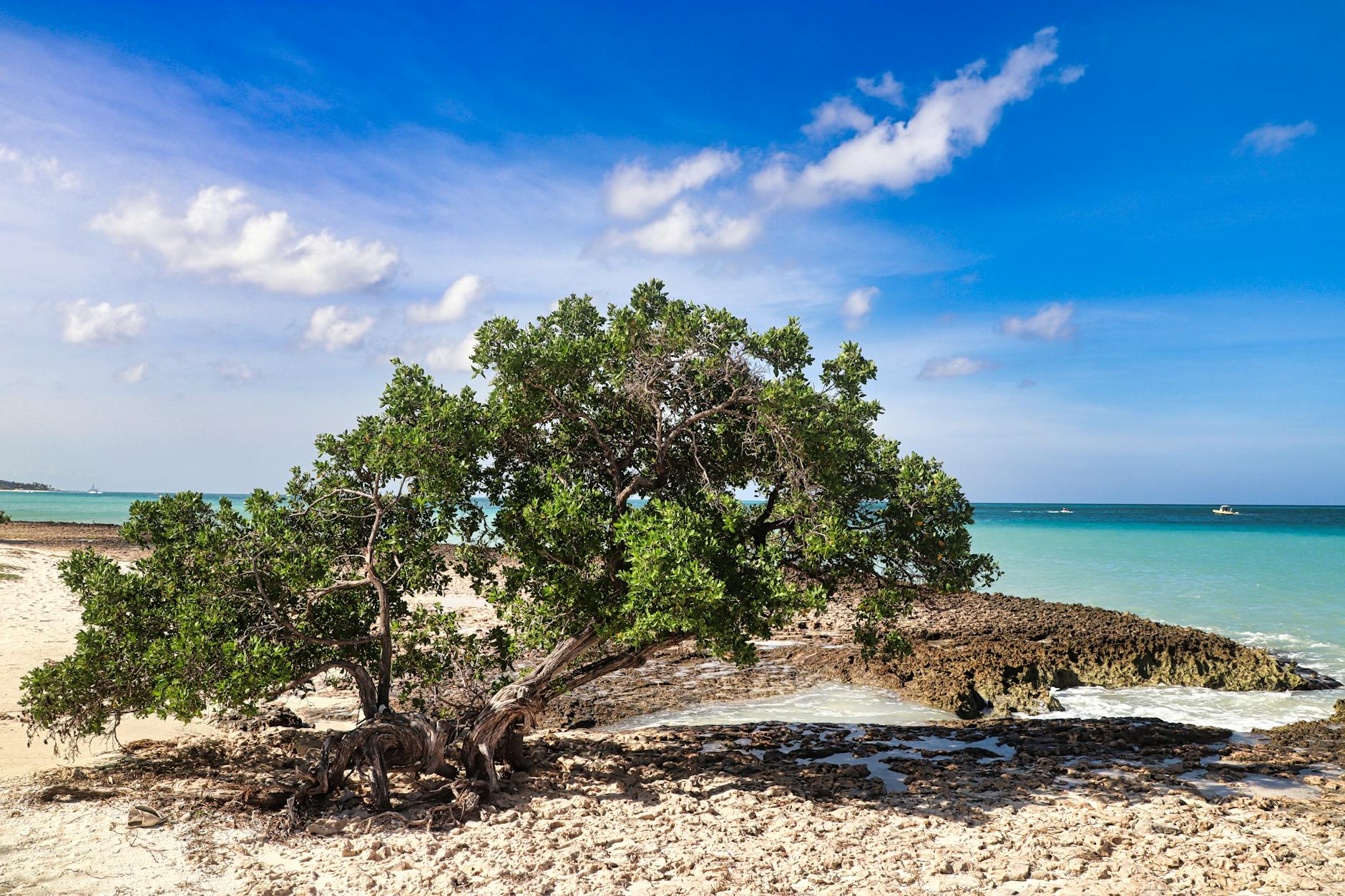
Overview of Aruba: A Dutch Caribbean Island Country
Aruba, officially known as the Country of Aruba, is a constituent island country within the Kingdom of the Netherlands. Located in the southern Caribbean Sea, it lies approximately 29 kilometers (18 miles) north of the Venezuelan peninsula of Paraguaná and 80 kilometers (50 miles) northwest of Curaçao. With a land area of 179 square kilometers (69 square miles), Aruba is celebrated for its stunning beaches, warm weather, and vibrant culture.
The capital city, Oranjestad, serves as a lively hub featuring brightly colored buildings and a variety of activities. Visitors can engage in water sports, explore local markets, and discover historical sites.
The Science Behind Aruba’s Stunning Beaches
The beaches of Aruba are renowned for their soft white sand and crystal-clear turquoise waters. The unique color of the sand is primarily due to high calcium carbonate content from crushed coral and shells. The gentle trade winds contribute to calm waters, making them ideal for swimming and water sports.
These beaches also play a crucial role in coastal protection by acting as natural barriers against storm surges and erosion, safeguarding both the island’s ecosystem and infrastructure.
How It Works: The Island’s Ecosystem
Aruba’s ecosystem is characterized by its dry climate, which supports unique flora and fauna. The island’s vegetation includes cacti, divi-divi trees, and various shrubs adapted to conserve water. These plants are vital for preventing soil erosion.
- Cacti: Tall cacti provide shelter for birds and insects.
- Divi-Divi Trees: These iconic trees have a distinctive shape due to prevailing trade winds.
The surrounding marine environment includes coral reefs that support diverse marine life. These reefs are essential for maintaining healthy fish populations and protecting coastal areas from wave action.
Common Myths About Aruba Debunked
Several misconceptions about Aruba can lead to misunderstandings about the island. One common myth is that Aruba experiences frequent rain or has a hurricane season like other Caribbean islands. In reality, Aruba has a dry climate with minimal rainfall, making it an attractive year-round destination.
Another myth suggests that all beaches are crowded with tourists. While popular spots like Eagle Beach can get busy, many secluded coves offer tranquility for those seeking a quieter experience.
Aruba’s Unique Wildlife: More Than Meets the Eye
The wildlife on Aruba is diverse and includes several endemic species such as the Aruba rattlesnake and the Aruban whiptail lizard. Birdwatchers may spot colorful parakeets or endangered brown pelicans during their visit.
- Aruba Rattlesnake: This small rattlesnake species plays a critical role in maintaining balance in the local ecosystem.
- Aruban Whiptail Lizard: Known for its vibrant colors and agility, this lizard is a common sight on the island.
Conservation efforts focus on protecting these species to ensure that future generations can enjoy Aruba’s unique biodiversity.
Cultural Fusion: A Tapestry of Influences
Aruba’s culture reflects a rich blend of influences from indigenous peoples, Spanish colonizers, African slaves, and Dutch settlers. This fusion is evident in the island’s cuisine, music, and festivals. Traditional dishes like keshi yena (stuffed cheese) showcase this culinary diversity.
The annual Carnival celebration highlights local artistic talents through colorful costumes and lively parades. Visitors are encouraged to participate in this vibrant cultural experience.
Planning Your Visit: Tips for Travelers
If you’re planning a trip to Aruba, consider visiting during the off-peak season (April to December) when prices are lower and crowds are fewer. Renting a car can be beneficial for exploring hidden gems across the island at your own pace.
- Sunscreen: Always use reef-safe sunscreen to protect marine life while enjoying beach activities.
- Local Currency: While many places accept U.S. dollars, it’s advisable to have some Aruban florins on hand for small purchases.
Lastly, embrace local customs by learning a few phrases in Papiamento, the island’s native language; this will enhance your interactions with locals and enrich your travel experience.
Sources
- Aruba – Wikipedia
- geohack.toolforge.org
- nl.wikipedia.org
- nl.wikipedia.org
- archive.org
- search.worldcat.org
- archive.org
- search.worldcat.org
- books.google.com
- web.archive.org
- www.cia.gov
Why do you keep falling for the same type?
Read the article Lovemaps: the hidden blueprint of our love.
Did you not find what you were looking for? Let me help you find more.
