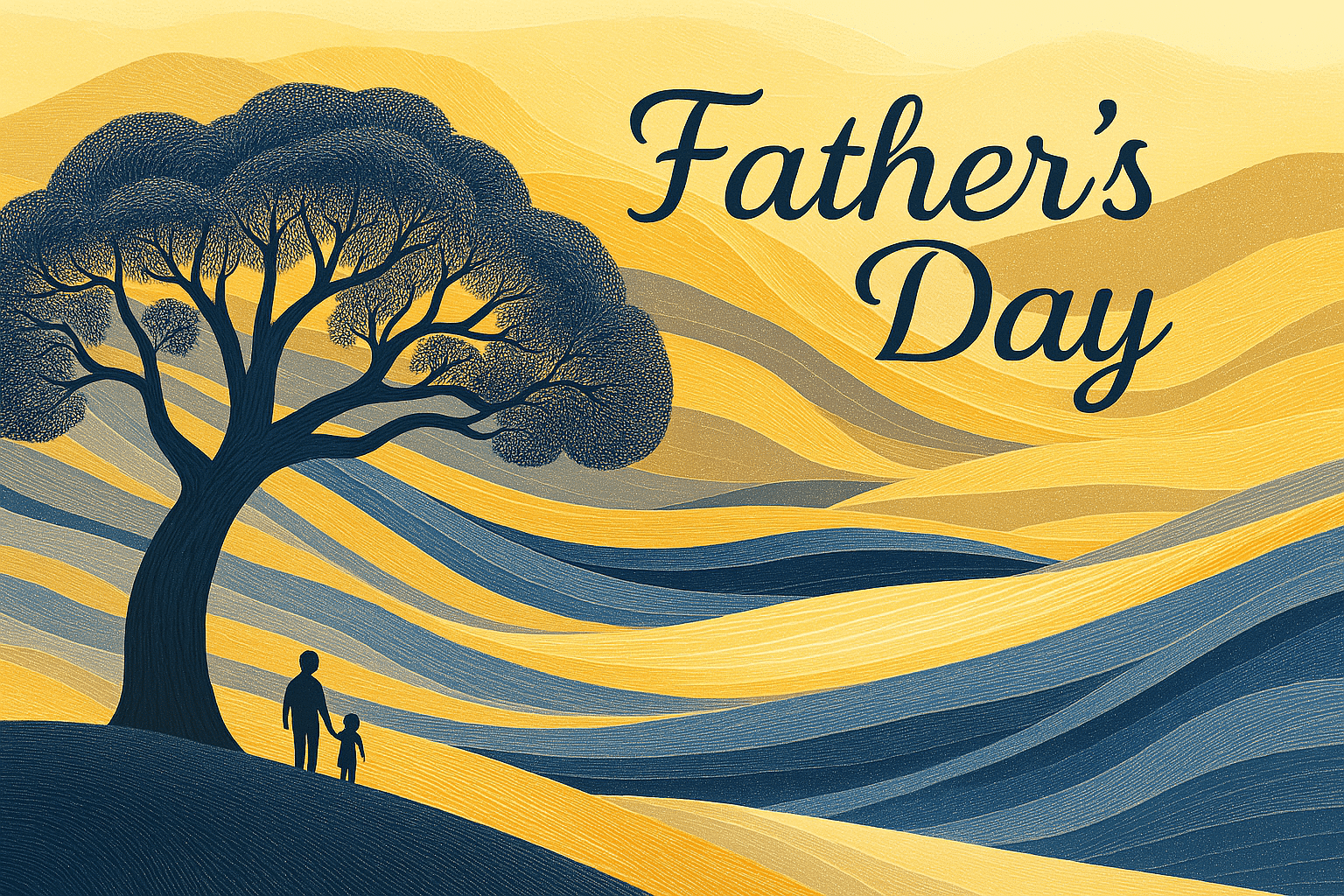
What is Father’s Day?
Father’s Day is observed every year on the third Sunday in June. It is a widely celebrated day that honors fathers, stepfathers, and all father figures. The focus is on the important roles they play in families and communities. It is a day to express love, respect, and gratitude for their support, guidance, and presence.
The celebration takes many forms around the world. Some people give gifts or cards. Others spend time together or share a special meal. Many people use the opportunity to reflect on memories and express appreciation for lessons learned from their fathers. No matter how it is celebrated, the goal is to recognize the influence of fatherhood in daily life.
History and Origin
The roots of Father’s Day go back to the early 1900s in the United States. The idea came from Sonora Smart Dodd, who was inspired by Mother’s Day and wanted a similar occasion to honor her own father. He was a widower who raised six children by himself. The first Father’s Day was held in Spokane, Washington, in 1910. It gained local attention but did not spread quickly at first.
For many years, Father’s Day was celebrated unofficially. It was seen by some as less emotional or meaningful than Mother’s Day. Still, the idea continued to grow. Over time, more people began to recognize the value of celebrating fathers and their role in families. In 1966, President Lyndon B. Johnson issued a proclamation setting the third Sunday of June as Father’s Day in the United States. It became a permanent national holiday in 1972.
Today, Father’s Day is celebrated in many countries around the world. Each place brings its own customs and expressions of gratitude. In some cultures, it focuses on tradition and family values. In others, it is a modern event full of gifts and social media messages.
Who participates in Father’s Day?
- Families: Share time together and express appreciation for father figures.
- Children: Give gifts, write messages, or organize surprises for their dads.
- Shops and businesses: Create offers and campaigns that focus on fathers.
- Schools and educators: Help younger children make cards or learn about fatherhood.
- Community groups: Organize events that support families and honor parent roles.
Slogans and Themes
Phrases like “Thank you, Dad,” “Fatherhood is forever,” and “The best dad ever” are commonly used on this day. The themes often center on care, loyalty, and the emotional support that fathers provide. Other messages highlight shared hobbies, life lessons, and the everyday presence of fathers in their children’s lives.
Father’s Day also highlights the many forms fatherhood can take. It is a reminder that being a father is about presence, not perfection. The focus is on encouragement, protection, and care in both quiet and active ways.
Colors, Symbols, and Patterns
Colors
- Blue: Often linked to stability, calm, and trust.
- Brown: Represents strength and dependability.
- Green: Suggests growth and guidance.
Symbols
- Necktie or shirt: Traditional symbols of a classic Father’s Day gift.
- Wrench or hammer: Represent building and problem-solving roles.
- Grill or coffee mug: Point to comfort and shared daily moments.
Patterns
- Stripes and checks: Common in Father’s Day decorations and clothing.
- Minimalist lines: Used in modern cards or digital messages.
- Simple icons: Focused on tools, hobbies, or family scenes.
Most Used Hashtags
- #FathersDay
- #ThankYouDad
- #DadLove
- #BestDadEver
- #FatherhoodMatters
How do you celebrate Father’s Day?
- Write a message: Express feelings through a personal note or card.
- Give a gift: Choose something thoughtful or practical that reflects his interests.
- Plan an activity: Spend time on a shared hobby or family outing.
- Cook a meal: Prepare breakfast, lunch, or dinner as a gesture of thanks.
- Remember and honor: Share stories and memories of fathers who have passed away.
Why is Father’s Day important?
Father’s Day is important because it gives people a chance to stop and recognize those who have shaped their lives. Fathers influence not only their children but also the wider community through example, care, and responsibility. The day is a reminder of how parenting is about showing up, giving guidance, and offering love in many forms.
The day also helps encourage open conversation about modern fatherhood. It recognizes that fathers are involved in more than just work or discipline. They are caregivers, teachers, role models, and emotional supporters. By celebrating them, society gives value to their contribution and creates space for more balanced family roles.
Father’s Day is not just about tradition. It is about connection, respect, and the everyday acts of kindness that build strong families.
Features
Third Sunday in June: Father’s Day
Days
- Fourth Sunday in Lenth: Mothering Sunday
- Fourth Sunday in Lent: Pretzel Sunday (Luxembourg)
- Second Sunday of March: Daylight Savings begins (United States)
- Second Sunday in March: Day of Geodesy and Cartography Workers (Russia)
- February / March 19: Las Fallas
- March 19: Father's Day (Antwerp, Belgium)
Why do you keep falling for the same type?
Read the article Lovemaps: the hidden blueprint of our love.
Did you not find what you were looking for? Let me help you find more.