
Unlocking the Cenozoic Era: A Journey Through Time
The Cenozoic Era is Earth's current geological era, spanning the last 66 million years. This period is significant because it marks the rise of mammals, birds, and flowering plants following the mass extinction event that eliminated non-avian dinosaurs. Understanding the Cenozoic helps us grasp how life evolved in response to changing climates and environments, shaping the world we live in today.
The Age of Mammals: A Practical Perspective
The Cenozoic Era is often referred to as the "Age of Mammals." This nickname reflects how mammals diversified and became the dominant land animals after the extinction of non-avian dinosaurs. The extinction event that marked the beginning of this era allowed mammals to exploit new ecological niches.
How It Shapes Our World Today
The influence of the Cenozoic can be observed in various aspects of our lives. Many species we encounter daily, such as deer, elephants, and humans, are products of this era's evolutionary processes. The climate changes and geological shifts during this time also laid the foundation for today’s ecosystems.
Everyday Examples of Cenozoic Influence
Consider your backyard or local park. The trees and plants you see are largely a result of flowering plants that have thrived since the Cenozoic began. Many animals adapted to these environments developed traits that helped them survive in changing climates. For instance, mammals evolved varying sizes and forms to adapt to different habitats, from small rodents to large whales.
How It Works: The Earth’s Dynamic Processes
The Cenozoic was a time of significant geological activity. The movement of tectonic plates shaped continents and created mountains.
Plate Movements and Their Impact
During this era, continents drifted into their current positions. Australia moved northward, colliding with Southeast Asia, while India collided with Asia, forming the Himalayas. These movements influenced climate patterns and allowed for diverse habitats to develop across the globe.
Weathering and Erosion in Action
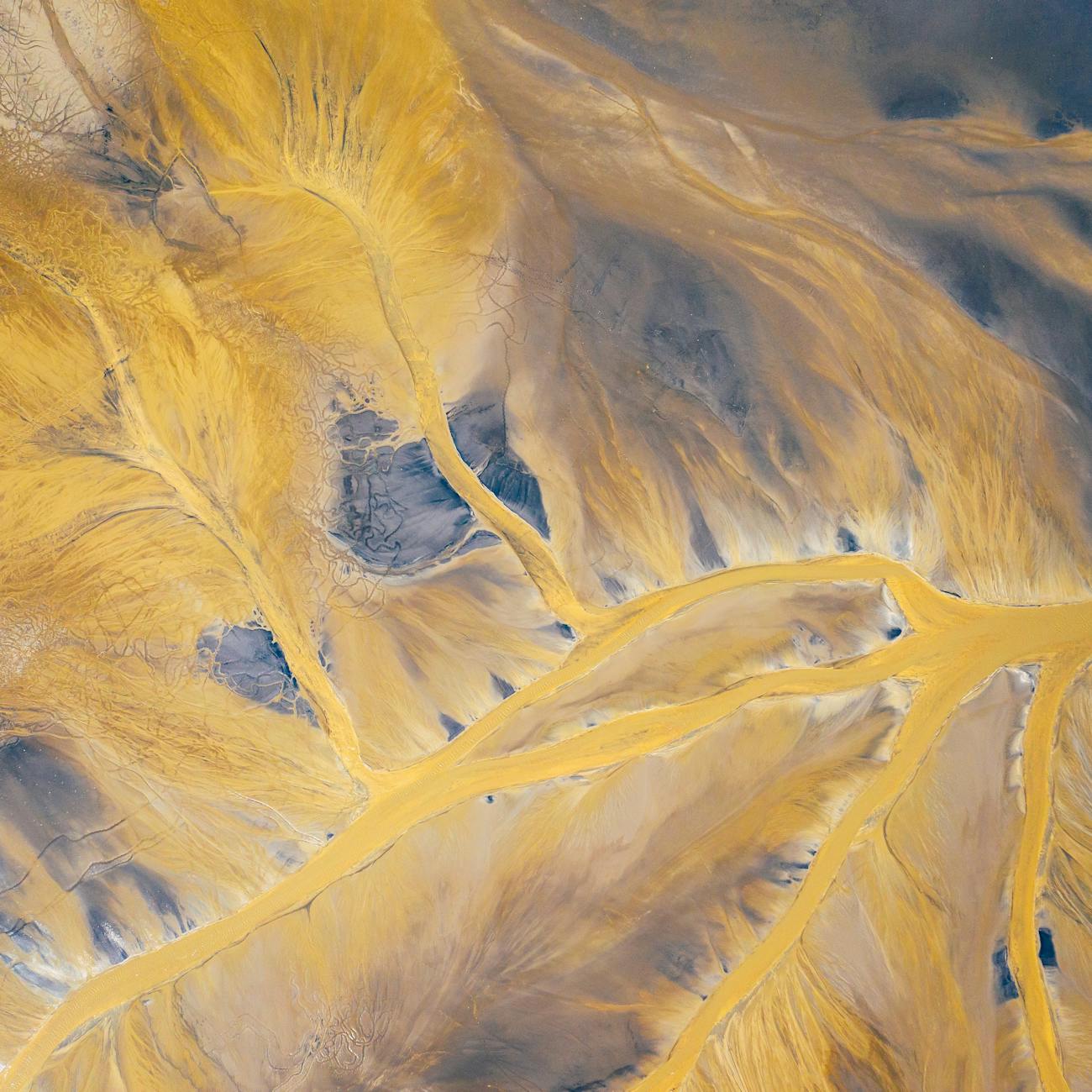
Weathering and erosion played critical roles in shaping landscapes during the Cenozoic. As mountains rose, they were eroded by wind and water, creating fertile plains where many plants could grow. This process enabled diverse ecosystems to flourish.
Fossils: Nature’s Time Capsules
Fossils from the Cenozoic provide invaluable insights into past environments and how life has changed over millions of years.
What They Reveal About Past Environments
Fossils found in sedimentary rocks tell us about ancient climates and ecosystems. For example, fossils of tropical plants found in areas that are now cold suggest that those regions were once much warmer. These clues help scientists reconstruct Earth’s climatic history.
The Importance of Fossil Records in Understanding Evolution
Fossil records from the Cenozoic show how different species evolved over time. They reveal transitional forms between early mammals and modern species, offering evidence of evolution at work.
Common Myths About the Cenozoic Era
Despite its significance, several misconceptions surround the Cenozoic Era.
Mammals Were the Only Survivors
While mammals thrived during this era, they were not the only survivors after the extinction event. Birds also diversified significantly and adapted to various ecological niches alongside mammals.
The Idea of Linear Evolution
Many people believe evolution follows a straight line from simple to complex organisms. In reality, evolution is more like a branching tree with many species emerging simultaneously based on environmental pressures.
Major Events That Shaped the Cenozoic Landscape
Several key events have profoundly impacted life on Earth during the Cenozoic.
Ice Ages and Their Consequences
The Quaternary Period saw several ice ages that dramatically altered landscapes and habitats. Glacial movements reshaped coastlines and created lakes while influencing species distribution as animals migrated to warmer areas.
The Rise of Modern Ecosystems
As climates fluctuated during this era, ecosystems evolved into what we recognize today. Grasslands expanded, forests adapted to changing conditions, and diverse animal populations emerged, leading to rich biodiversity across continents.
The Future of Our Planet: Lessons from the Cenozoic
Studying the Cenozoic offers valuable lessons for understanding current trends in climate change and biodiversity loss.
Understanding Current Trends Through Geological History
Today’s rapid climate change mirrors some shifts observed during the Cenozoic but at an accelerated pace due to human activities. Understanding past events can guide conservation efforts as we navigate these changes.
Implications for Biodiversity and Conservation
The extinction rates seen today may parallel those from past mass extinctions in Earth's history. Recognizing this can inspire actions aimed at preserving biodiversity before it is too late. In conclusion, the Cenozoic Era has shaped our planet's landscape, climate, and biological diversity. By studying this crucial period in Earth's history, we gain insights that are essential for understanding our present environment and preparing for future challenges.
Sources
- Cenozoic – Wikipedia
- geohack.toolforge.org
- en.wiktionary.org
- en.wiktionary.org
- en.wiktionary.org
- en.wiktionary.org
- geoltime.github.io
- geoltime.github.io
- geoltime.github.io
- geoltime.github.io
- geoltime.github.io
Why do you keep falling for the same type?
Read the article Lovemaps: the hidden blueprint of our love.
Did you not find what you were looking for? Let me help you find more.
