
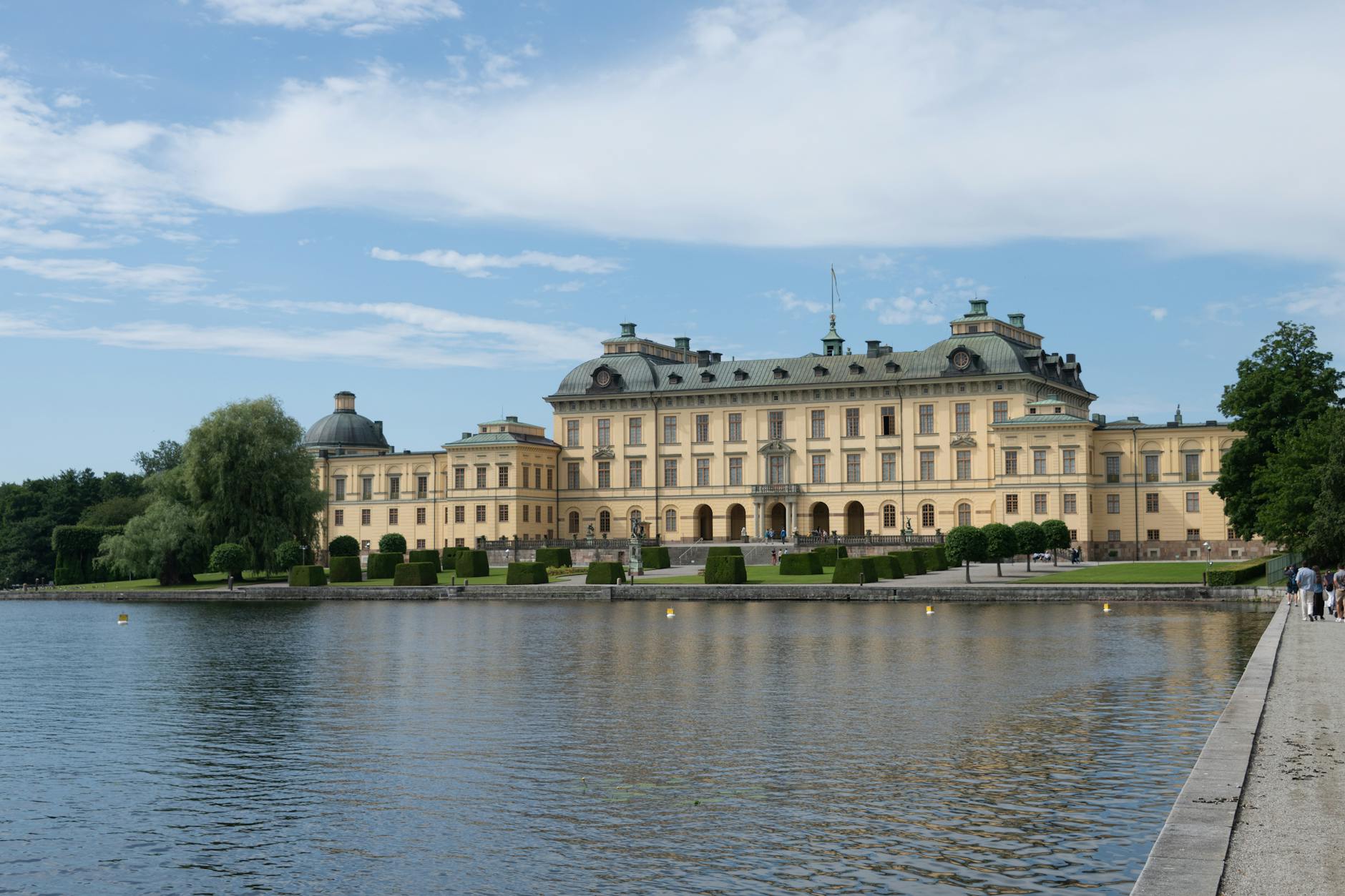
Many people confuse the Empire of Brazil with other historical monarchies. This mix-up often leads to oversimplifications about its structure and significance. The topic here is the Brazilian monarchy and the common misconceptions surrounding it. After reading, you will have a clearer understanding of its unique characteristics.
Why Brazil’s Monarchy Matters Today
The Empire of Brazil, which lasted from 1822 to 1889, is a significant chapter in the nation’s history, influencing contemporary Brazilian identity and politics. Understanding this period helps to contextualize modern Brazil’s social dynamics and regional power. The monarchy established a sense of national unity and cultural identity that persists, as seen in festive celebrations like Carnaval, which blend imperial heritage with contemporary culture.
Unpacking the Monarchy’s Structure
The Brazilian monarchy was a constitutional monarchy, blending elements of democracy with royal authority. At its core was Emperor Dom Pedro I, who played a pivotal role in Brazil’s independence from Portugal. Following his abdication in 1831, his son, Dom Pedro II, ascended to the throne at just five years old. This transition highlighted the dual nature of the monarchy: a figurehead and a governing body.
- Emperor: The sovereign with significant influence over governance.
- Parliament: Comprised of the Chamber of Deputies and the Senate, it enacted laws.
- Council of Ministers: Advisors to the emperor who helped shape policy.
How It Works: The Mechanics of Monarchy
The Brazilian monarchy operated under a constitution that defined the powers of the emperor and the parliament. The emperor had the authority to appoint ministers and dissolve parliament but was also expected to work within its framework. This delicate balance allowed for a degree of political stability, although it faced challenges from various factions throughout its existence.
Common Myths About the Brazilian Empire
Several misconceptions surround Brazil’s monarchy. One common myth is that it was an absolute monarchy; however, it operated under constitutional principles. While there were authoritarian elements, it also saw liberal reforms, such as the abolition of slavery in 1888, largely due to pressure from abolitionists and international trends.
- Myth: The monarchy was universally despised.
- Fact: Many Brazilians admired Dom Pedro II for his intelligence and commitment to progress.
The Empire’s Economic Engine
The economic foundation of the Empire of Brazil relied heavily on agriculture, particularly coffee production. By the mid-19th century, Brazil became one of the world’s leading coffee exporters. This agricultural boom fueled urbanization and industrialization in cities like Rio de Janeiro and São Paulo.
- Coffee: The dominant crop that drove economic growth.
- Trade: Expanded with Europe and North America, enhancing Brazil’s global standing.
Cultural Flourishing Under the Crown
The empire fostered a vibrant cultural scene characterized by advancements in literature, music, and arts. Intellectuals like Machado de Assis emerged during this time, contributing to Brazil’s rich literary tradition. The establishment of institutions such as the National Museum signaled a commitment to education and science.
- Literature: Flourished with notable authors shaping national identity.
- Art: The Royal Academy of Fine Arts promoted artistic expression.
The Road to Republic: Key Events and Figures
The transition from monarchy to republic was marked by political turmoil and social change. Key events included the War of Paraguay (1864-1870), which strained resources and public support for the monarchy. Influential figures such as Marshal Deodoro da Fonseca emerged during this time, advocating for republican ideals that ultimately led to the proclamation of the Republic on November 15, 1889.
- Dom Pedro II: His progressive policies won him admiration but did not prevent republican sentiments from growing.
- Abolition Movement: Contributed significantly to discontent with monarchical rule among former slaves and their allies.
Reflections on Legacy and Identity
The legacy of Brazil’s monarchy continues to shape national identity today. Elements such as respect for authority and cultural pride can be traced back to this era. Furthermore, discussions around inequality often reference historical land distribution patterns established during imperial times. Understanding this past allows Brazilians to navigate present social issues more effectively while fostering a unique cultural identity rooted in both imperial history and democratic aspirations.
Sources
- Empire of Brazil – Wikipedia
- web.archive.org
- doi.org
- search.worldcat.org
- online.ucpress.edu
- www.jstor.org
- rebep.emnuvens.com.br
- doi.org
- search.worldcat.org
- web.archive.org
- www.ibge.gov.br
Afterword
The confusion about the Empire of Brazil often centers on its constitutional nature and the role of its emperors. By addressing these misconceptions, readers can better appreciate the complexities of Brazil's historical monarchy and its lasting impact on the nation.
Why do you keep falling for the same type?
Read the article Lovemaps: the hidden blueprint of our love.
Did you not find what you were looking for? Let me help you find more.
