
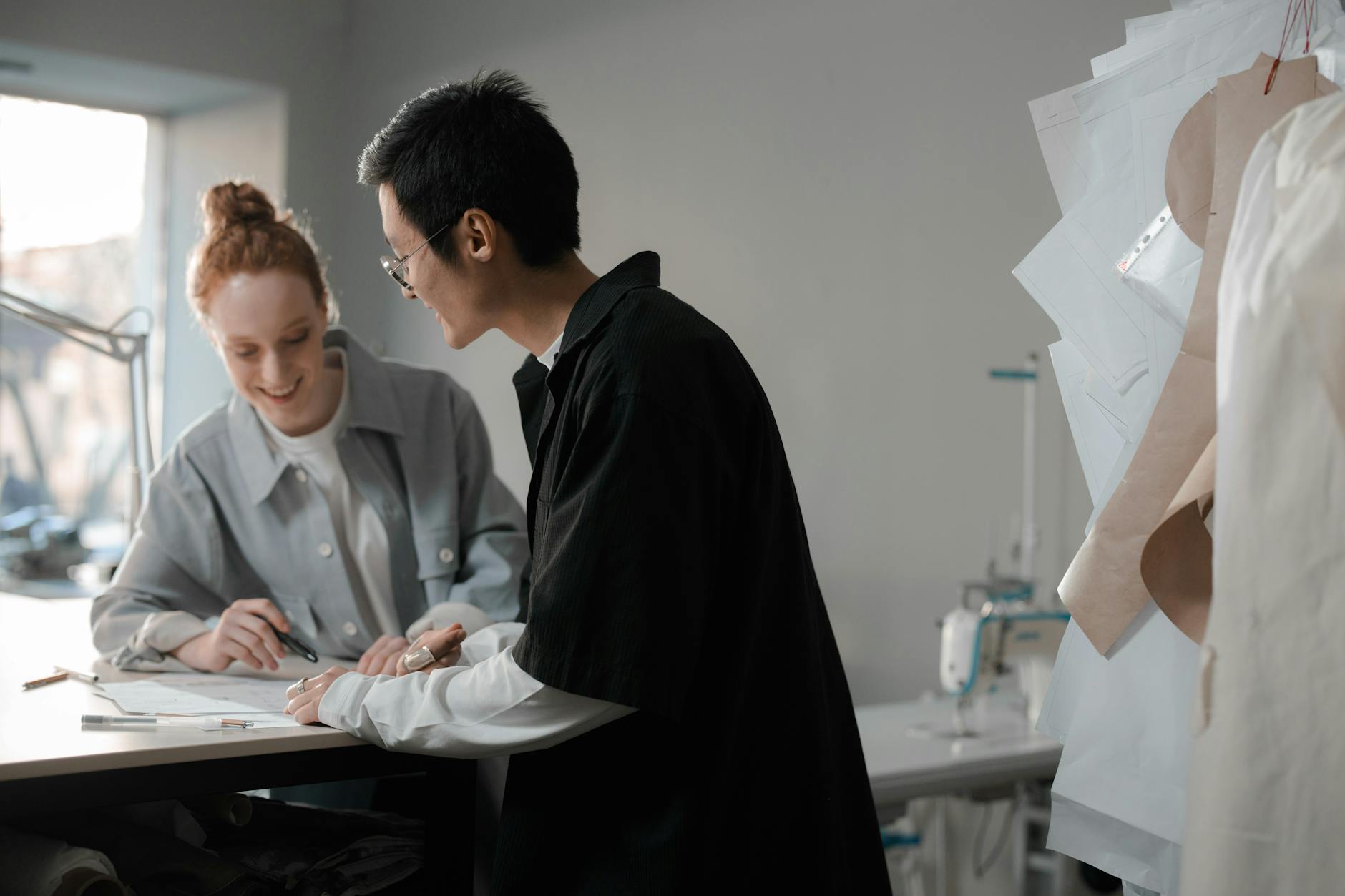
Many people think fashion design is just about creativity. This view oversimplifies the skills involved in the process. Fashion design includes technical aspects like sewing and pattern making that are often overlooked. After reading, you will better understand the distinct elements that contribute to fashion design.
Fashion Design: The Art of Creating Clothing and Accessories
Fashion design is the art of applying design, aesthetics, clothing construction, and natural beauty to clothing and its accessories. It influences how we look and express ourselves through attire. Fashion designers create clothing, including dresses, suits, pants, skirts, and accessories like shoes and handbags. They may specialize in clothing, accessory, or jewelry design, or work across multiple areas.
What Influences Style?
Many factors influence a person’s style, including cultural backgrounds, personal experiences, and social environments. Trends often emerge from a combination of historical influences and contemporary movements. Designers must stay attuned to these shifts to create appealing collections that resonate with consumers.
The Psychology of Color and Fabric
The colors and fabrics chosen for clothing can affect moods and perceptions. Warm colors like red or orange can evoke feelings of excitement or warmth, while cool colors such as blue or green tend to create calmness. Similarly, the texture of fabric can influence comfort levels and overall satisfaction with an outfit. Understanding these psychological effects helps designers make informed choices in their creations.
Behind the Seams: The Creative Process
Inspiration and Concept Development
The journey of a fashion designer begins with inspiration from various sources such as art, nature, architecture, or social issues. Designers often sketch their ideas or create mood boards to visualize their concepts. This initial phase is critical as it lays the groundwork for the entire collection.
Sketching and Prototyping
After brainstorming, designers move into sketching their designs. Some prefer to draw on paper while others utilize computer software for precision. Once sketches are finalized, prototypes are created using muslin fabric to test fit and style. This iterative process allows designers to refine their ideas before moving onto final production.
How It Works: The Mechanics of Fashion Creation
Fabric Selection and Material Properties
The choice of fabric is fundamental in fashion design. Different materials have unique properties that affect the garment’s look and feel. For instance, silk drapes beautifully but can be delicate, while denim offers durability but less fluidity. Designers must select fabrics that align with their vision for both aesthetic appeal and functionality.
Pattern Making and Garment Construction
Pattern making is an essential step in garment construction. It involves creating templates from which pieces will be cut out of the fabric. Key techniques include dart manipulation for shaping, contouring for fit around curves, and adding fullness for volume. Once patterns are established, garments are sewn together using various techniques tailored to the specific design.
Beyond Trends: Sustainability in Fashion Design
Eco-Friendly Materials and Practices
Sustainability has become a vital concern in fashion design. Designers are increasingly opting for eco-friendly materials such as organic cotton or recycled fabrics. Additionally, practices like zero-waste pattern making help reduce environmental impact by minimizing fabric waste during production.
The Impact of Fast Fashion on the Environment
Fast fashion contributes significantly to environmental degradation through overproduction and waste. The rapid turnover of trends leads to garments being discarded quickly after purchase, which burdens landfills and increases pollution levels globally. As awareness grows about these issues, many designers advocate for slower fashion cycles that prioritize quality over quantity.
Common Myths About Fashion Design
Myth: Fashion is Only for the Wealthy
A common misconception is that fashion is an exclusive domain reserved for the wealthy. In reality, fashion encompasses a wide range of styles accessible to all socioeconomic classes. Many affordable brands offer trendy options that allow everyone to express themselves through clothing.
Myth: Designers Don’t Need Technical Skills
Another myth is that creativity alone suffices in fashion design. However, technical skills in sewing, pattern making, and fabric knowledge are crucial for transforming ideas into wearable garments.
The Role of Technology in Modern Fashion
Digital Tools for Designers
Technology has transformed fashion design processes dramatically. Designers now use software tools for sketching and pattern making that enhance efficiency and precision. These tools enable virtual fittings and simulations that save time during prototyping.
The Future of 3D Printing in Clothing
3D printing represents a significant advancement in fashion technology by allowing designers to create intricate designs directly from digital models. This innovation reduces waste associated with traditional manufacturing processes while enabling customization at an unprecedented scale.
A Day in the Life of a Fashion Creator
Collaboration with Other Professionals
A successful designer often collaborates with various professionals including textile experts and marketers to bring their vision to life. This teamwork fosters creativity across different facets of the design process.
Navigating Challenges in Fashion Design
The path to success in fashion design involves navigating numerous challenges such as changing market demands or economic downturns. Resilience combined with adaptability often determines a designer’s longevity in this competitive industry.
The world of fashion design is rich with creativity and complexity,from understanding consumer psychology to mastering technical skills necessary for garment creation. As trends evolve towards sustainability and inclusivity, designers play a crucial role in shaping how we express ourselves through clothing while also considering our planet’s future.
Sources
- Fashion design – Wikipedia
- web.archive.org
- www.thebalancecareers.com
- fashion-history.lovetoknow.com
- dx.doi.org
- doi.org
- dx.doi.org
- doi.org
- search.worldcat.org
- computools.com
- fashionvalues.org
Afterword
Fashion design is not solely about artistic vision; it requires a blend of creativity and technical expertise. By recognizing these components, you can appreciate the complexity behind creating clothing and accessories.
Why do you keep falling for the same type?
Read the article Lovemaps: the hidden blueprint of our love.
Did you not find what you were looking for? Let me help you find more.
