
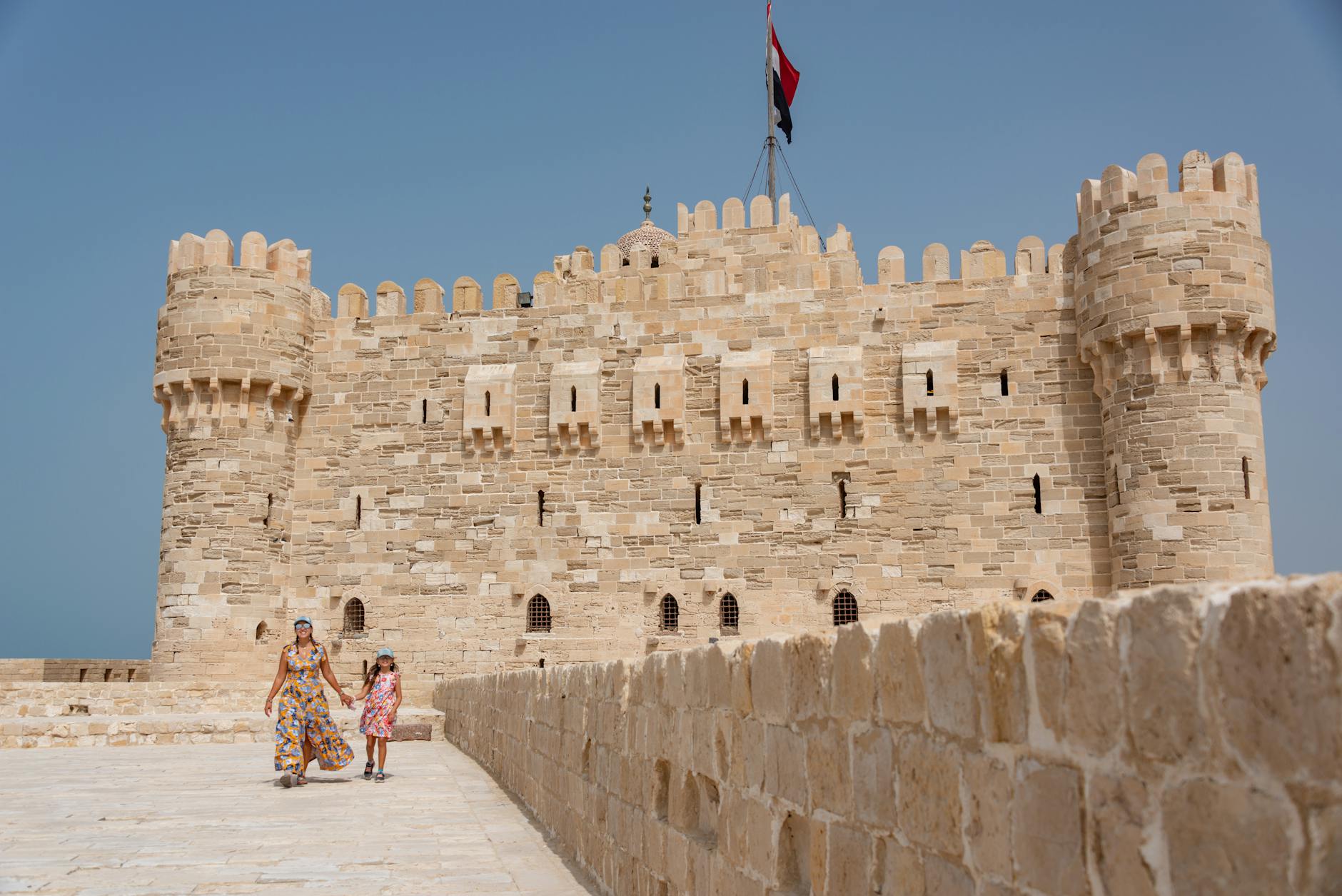
Unlocking the Secrets of Ancient Civilizations
Africa is often referred to as the cradle of humanity, with evidence of early human life dating back millions of years. The continent’s rich history includes some of the world’s earliest civilizations, such as Ancient Egypt, Nubia, and the Kingdom of Aksum. These societies made significant contributions to art, science, and governance.
For instance, Ancient Egypt is renowned for its monumental architecture, including the Pyramids of Giza, which served as tombs for pharaohs and reflected advanced engineering techniques. Similarly, Nubia, located to the south of Egypt, was known for its wealth in gold and skilled archers, playing a crucial role in trade and military affairs.
Unearthing the Past: How Archaeology Works
Archaeology is vital in uncovering Africa’s ancient civilizations. Through excavation and analysis of artifacts, archaeologists piece together the lives of past societies. Tools, pottery, and remnants of daily life provide insights into social structures and cultural practices.
- Excavation: Systematic digging at historical sites reveals layers of history.
- Dating Techniques: Methods like radiocarbon dating help determine the age of artifacts.
- Analysis: Studying materials allows researchers to understand trade networks and technological advancements.
From Myths to Facts: Common Misconceptions
Many misconceptions persist about Africa’s ancient history. One common myth is that Africa was a land without civilization before European colonization. In reality, complex societies existed long before contact with Europeans.
- The Great Zimbabwe: This medieval city showcased advanced stone construction and was a center for trade.
- The Mali Empire: Known for its wealth and education, particularly at the University of Timbuktu.
Connecting Cultures: Trade and Interaction
Trade routes across Africa facilitated cultural exchange long before European exploration. The trans-Saharan trade routes connected North Africa with sub-Saharan regions, allowing goods like gold, salt, and textiles to flow between diverse cultures.
- Gold Trade: West African kingdoms like Ghana and Mali thrived on gold exports.
- Cultural Exchange: Interactions led to shared art styles, languages, and religious beliefs.
Life in Ancient Societies: Daily Routines and Innovations
The daily lives of people in ancient Africa varied greatly depending on their environment and resources. In agricultural societies, farming was central to life. Innovations such as crop rotation and irrigation systems were developed to increase productivity.
- Cultural Practices: Rituals and ceremonies marked important life events like marriages or harvests.
- Technological Advances: The invention of tools made from iron revolutionized farming and warfare.
Lessons from the Ancients: What We Can Apply Today
The achievements of ancient African civilizations offer valuable lessons for modern society. Their emphasis on community cooperation can inspire current social structures. Additionally, sustainable agricultural practices developed by these societies remind us of the importance of environmental stewardship today.
Future Discoveries: The Ongoing Journey of Exploration
The study of Africa’s ancient civilizations is far from complete. New archaeological discoveries are being made regularly, revealing more about these societies’ complexities. As technology advances, methods such as ground-penetrating radar allow archaeologists to explore sites without extensive excavation.
This ongoing exploration not only enriches our understanding but also helps correct historical narratives that have overlooked Africa’s contributions to human civilization. As we continue to uncover the past, we gain a deeper appreciation for the intricate tapestry that forms Africa’s history.
Sources
- History of Africa – Wikipedia
- en.wiktionary.org
- en.wiktionary.org
- fr.wikipedia.org
- es.wikipedia.org
- de.wikipedia.org
- de.wikipedia.org
- uk.wikipedia.org
- de.wikipedia.org
- www.khanacademy.org
- study.com
Why do you keep falling for the same type?
Read the article Lovemaps: the hidden blueprint of our love.
Did you not find what you were looking for? Let me help you find more.
