
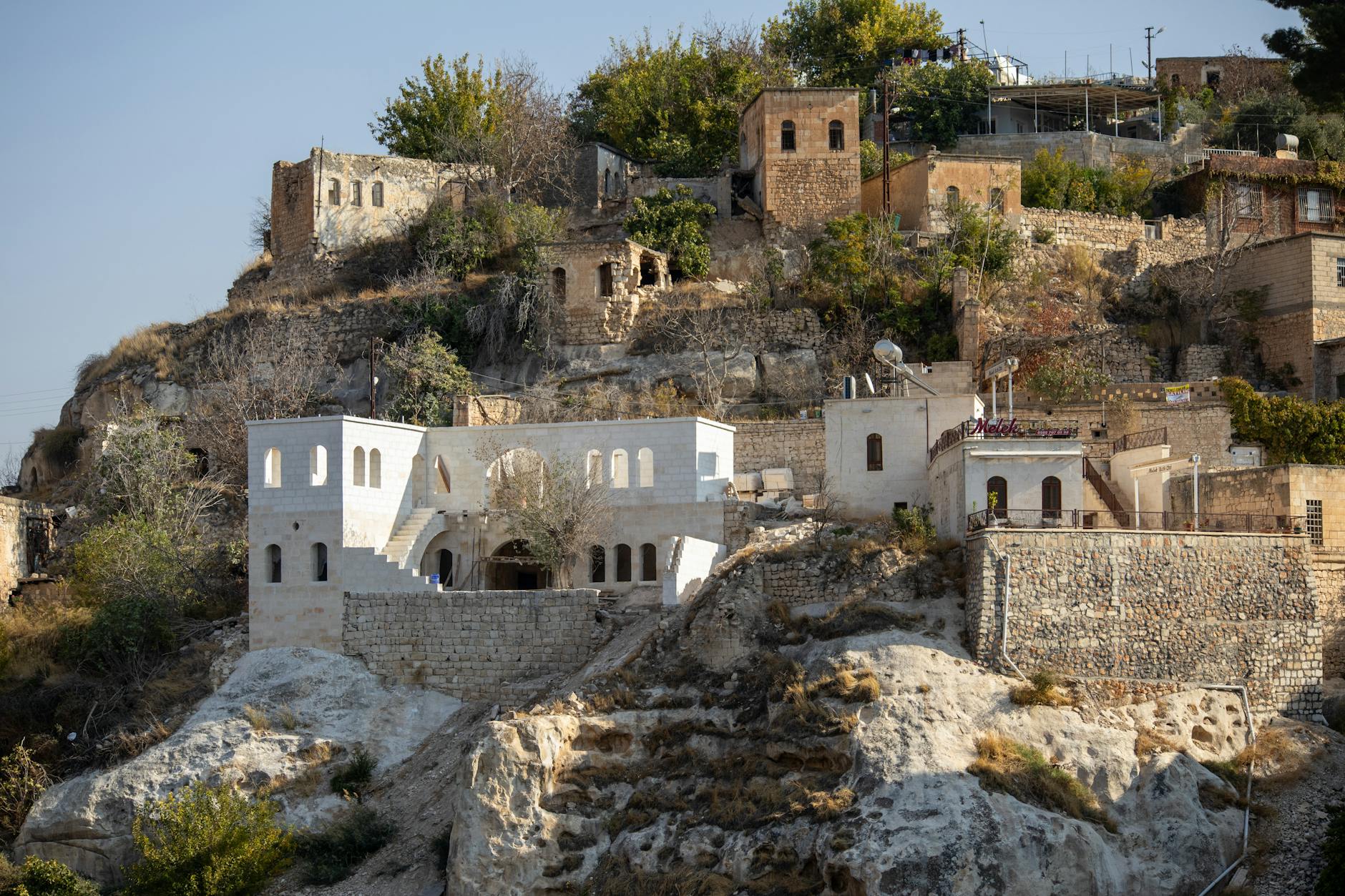
Unlocking Algeria’s Rich Tapestry: A Journey Through Time
Algeria boasts a deep and varied history, shaped by its geographical position at the crossroads of Africa and Europe. This article explores significant eras from prehistory through the Middle Ages, revealing how each period has contributed to the nation’s identity.
The Allure of Ancient Civilizations
Algeria’s ancient past is marked by the presence of several influential civilizations. The Berbers, one of the earliest inhabitants, established a rich culture characterized by unique languages and traditions. The Phoenicians arrived around 814 BC, establishing trade routes and founding cities like Carthage, which influenced local economies and cultures.
Subsequently, the Romans expanded their empire into Algeria, introducing advanced infrastructure such as roads, aqueducts, and cities like Timgad and Djemila. These developments facilitated trade and left a lasting architectural legacy.
How It Works: The Layers of History
Algeria’s history can be visualized as layers of sedimentary rock, each representing different cultures and influences. From prehistoric cave paintings in Tassili n’Ajjer to the Islamic architecture that flourished during the Middle Ages, every layer tells a story of adaptation and evolution.
- Prehistoric Era: Evidence of early human activity dates back over 1.8 million years with discoveries such as Oldowan stone tools.
- Roman Era: The establishment of cities and trade networks transformed Algeria’s landscape.
- Islamic Conquest: The arrival of Islam in the 7th century marked a significant cultural shift.
Common Myths About Algeria’s Past
Misinformation often clouds Algeria’s historical narrative. One common myth is that Algeria was solely shaped by foreign powers. In reality, indigenous Berber culture has played a central role in shaping national identity. Another misconception is that Algeria lacks significant historical sites; however, UNESCO recognizes several locations, including the ancient city of Timgad and the M’Zab Valley for their historical importance.
The Role of Trade in Shaping Societies
Trade has been a driving force in Algeria’s history. The trans-Saharan trade routes facilitated not only the exchange of goods but also ideas and cultures. Salt, gold, and textiles were key commodities that linked Algeria to sub-Saharan Africa and Europe.
The bustling markets in cities like Algiers became melting pots where diverse cultures converged. This exchange enriched local traditions and led to innovations in art, science, and governance.
The Intersection of Cultures: A Melting Pot
Algeria is often described as a cultural melting pot due to its history of conquests and migrations. Each group that settled or passed through left an indelible mark on Algerian society:
- Arab Influence: After the Islamic conquest, Arabic became a dominant language and Islam a central component of identity.
- French Colonialism: Lasting from 1830 to 1962, this period introduced European legal systems and education while igniting nationalist sentiments.
- Berber Identity: Despite external influences, Berber culture remains resilient and continues to thrive today.
Lessons from History: Resilience and Adaptation
The history of Algeria offers valuable lessons in resilience and adaptation. Throughout centuries of foreign domination and internal strife, Algerians have exhibited remarkable strength in preserving their cultural heritage while adapting to changing circumstances. For instance, during colonial rule, underground movements emerged to safeguard Berber languages and traditions.
Looking Forward: The Future of Algerian Heritage
The future of Algeria’s heritage lies in how its diverse cultures are preserved and celebrated. Initiatives focused on education about local history can help foster national pride among younger generations. Additionally, tourism centered around historical sites can generate economic opportunities while promoting cultural awareness.
As Algeria moves forward, embracing its rich tapestry will be crucial for unity and growth. By understanding its past, Algeria has the potential to build a future that honors its diverse heritage while looking ahead with optimism.
Sources
- History of Algeria – Wikipedia
- en.wiktionary.org
- fr.wikipedia.org
- fr.wikipedia.org
- fr.wikipedia.org
- web.archive.org
- www.gi.ulpgc.es
- www.perseus.tufts.edu
- openlibrary.org
- openlibrary.org
- www.perseus.tufts.edu
Why do you keep falling for the same type?
Read the article Lovemaps: the hidden blueprint of our love.
Did you not find what you were looking for? Let me help you find more.
