
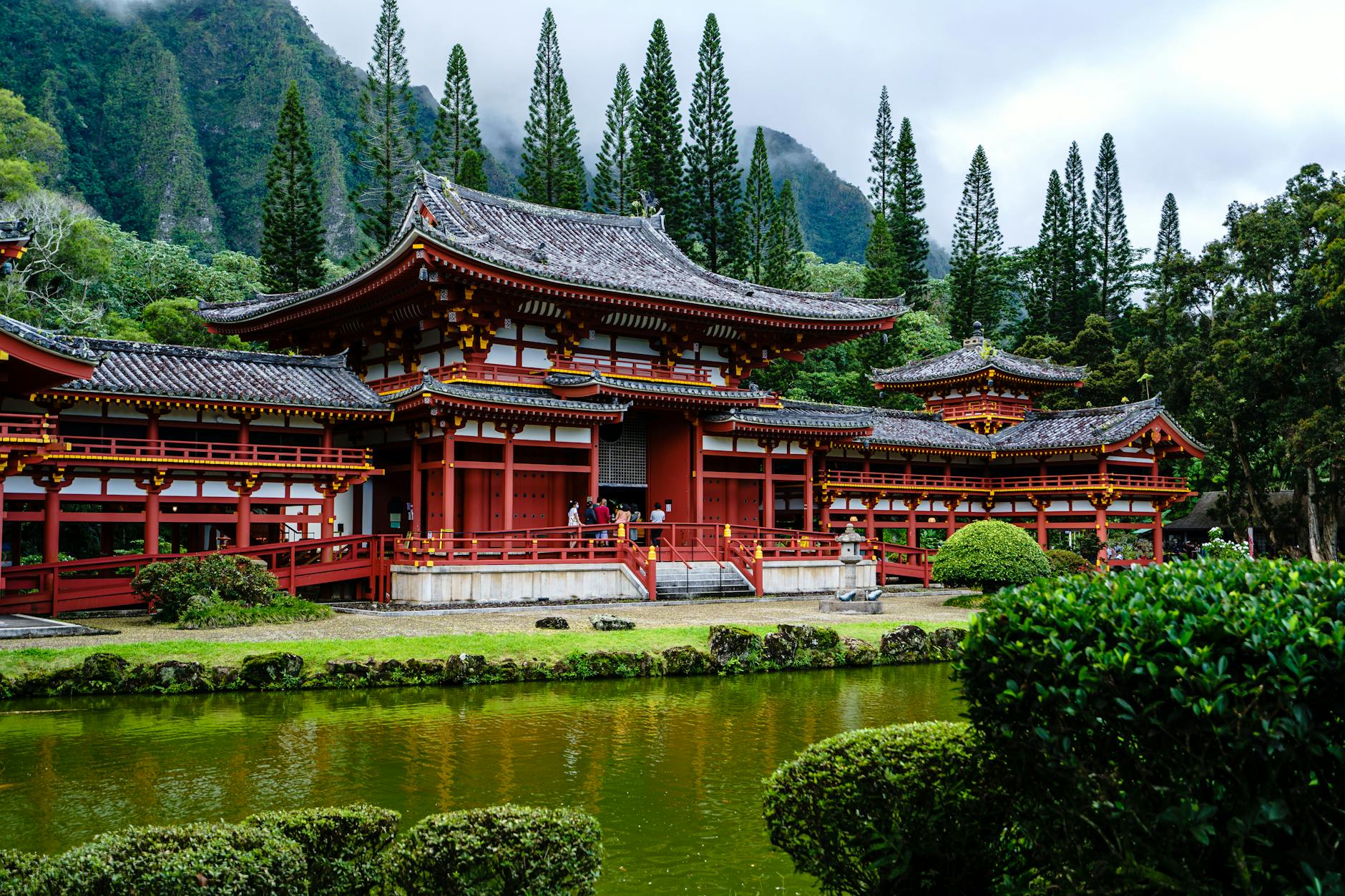
History of Human Settlement in the Pacific Islands
The history of the Pacific Islands encompasses the human settlement and cultural evolution across numerous islands in the Pacific Ocean. Understanding this history is vital as it shapes the identity, traditions, and social structures of the communities living there today. From ancient navigation techniques to contemporary challenges like climate change, this history impacts millions of lives across diverse cultures.
Significance of Pacific Island History
The history of the Pacific Islands is significant for various reasons. It highlights the resilience of island communities and their ability to adapt to environmental changes. The deep-rooted connections among these islands demonstrate cultural exchanges that have shaped identities over thousands of years. Moreover, understanding this history can inform current discussions about sovereignty, migration, and climate resilience in these vulnerable regions.
Cultural Diversity
The Pacific Islands are a vibrant mix of cultures, languages, and histories. Each island has developed its own unique identity while also sharing elements with neighboring islands. Traditional practices like dance, music, and art reflect influences from ancestral migration patterns. Festivals often showcase these cultural connections, inviting both locals and tourists to celebrate shared heritage.
Migration Patterns in the Pacific
Early Settlements
Migration patterns in the Pacific Islands are complex and varied. Early settlers used double-hulled canoes to navigate vast ocean distances, connecting islands that were sometimes hundreds of miles apart. Archaeological evidence suggests that these migrations began around 3000 BCE, with distinct waves bringing different groups to various islands over time. Modern genetic research supports these findings and paints a clearer picture of how cultures intermingled across this vast ocean.
Genetic Insights
Genetic studies reveal insights into the ancestry of Pacific Islanders. Research shows that many islanders share genetic markers with populations from Southeast Asia, indicating ancient migration routes. These genetic footprints help trace back thousands of years, offering clues about how people settled in different regions and adapted to their environments.
Navigational Techniques
Traditional Wayfinding
For centuries, Polynesians have utilized traditional wayfinding techniques to navigate the Pacific Ocean without modern instruments. They relied on stars, ocean swells, wind patterns, and bird behaviors to guide their journeys. This deep knowledge of the environment allowed them to explore and settle some of the most remote islands on Earth.
Modern Exploration Technologies
Today, advancements in technology have transformed exploration in the Pacific region. GPS devices and satellite imagery aid researchers in studying migration patterns and environmental changes. However, many communities still honor traditional navigation methods as part of their cultural heritage, blending old practices with new technologies for sustainable exploration and preservation efforts.
Social Structures in Island Life
Kinship and Community Cooperation
In many Pacific Island societies, kinship plays a central role in social structure. Families often form extended networks that provide support during challenges such as natural disasters or economic hardships. Community cooperation is essential for survival; shared resources are common during times of need, reinforcing bonds among members.
Leadership Models
Leadership styles vary across the islands but often reflect traditional practices rooted in respect for elders and communal decision-making processes. Chiefs or local leaders typically play a crucial role in guiding their communities through modern challenges while preserving cultural traditions. These governance models emphasize collective well-being over individual interests.
Environmental Challenges and Adaptation
Climate Change Impacts
The Pacific Islands face significant climate challenges due to rising sea levels and extreme weather events. Communities have developed resilience strategies based on traditional knowledge combined with modern science to adapt to these changes effectively. Local initiatives focus on sustainable practices such as restoring mangroves or implementing water conservation techniques.
Sustainable Practices
Sustainable practices have been part of island life for generations. Traditional farming methods like taro cultivation require careful management of land and water resources, reflecting an understanding of ecological balance. Today’s efforts often integrate these ancient techniques with contemporary environmental science to ensure food security and ecological health for future generations.
Cultural Preservation Amid Globalization
Cultural Revitalization Efforts
Cultural revitalization is vital for maintaining identity amidst globalization pressures. Many communities engage in projects aimed at preserving languages, arts, dance forms, and storytelling traditions. Schools often incorporate local culture into curricula to instill pride among younger generations while fostering connections to their heritage.
The Impact of Globalization
Globalization brings both opportunities and challenges for Pacific Island cultures. While access to worldwide markets can boost economies, it also risks diluting local traditions. Communities strive to find a balance between embracing modernity while protecting their unique cultural identities through conscious choices about tourism and trade practices.
The history of human settlement in the Pacific Islands is rich with stories of resilience, adaptation, and cultural diversity. As communities navigate modern challenges while preserving their heritage, they continue to shape not only their futures but also contribute significantly to our understanding of humanity’s collective journey across oceans.
Sources
- History of the Pacific Islands – Wikipedia
- www.ck
- www.lonelyplanet.com
- findingnz.co.nz
- web.archive.org
- web.archive.org
- www.guam-online.com
- books.google.com
- www.smithsonianmag.com
- www.cambridge.org
- doi.org
Articles
- Acquarossa: An Etruscan Settlement in Italy's Lazio Region
- What is Human History
- Homo heidelbergensis: An Overview of the Extinct Archaic Human Species
Days
- September 7: Threatened Species Day (Australia)
- September 7: New Hampshire Day (United States)
- August 31: Surigao City Charter Day (Philippines)
- August 25: Iloilo City Charter Day (Philippines)
Why do you keep falling for the same type?
Read the article Lovemaps: the hidden blueprint of our love.
Did you not find what you were looking for? Let me help you find more.
