
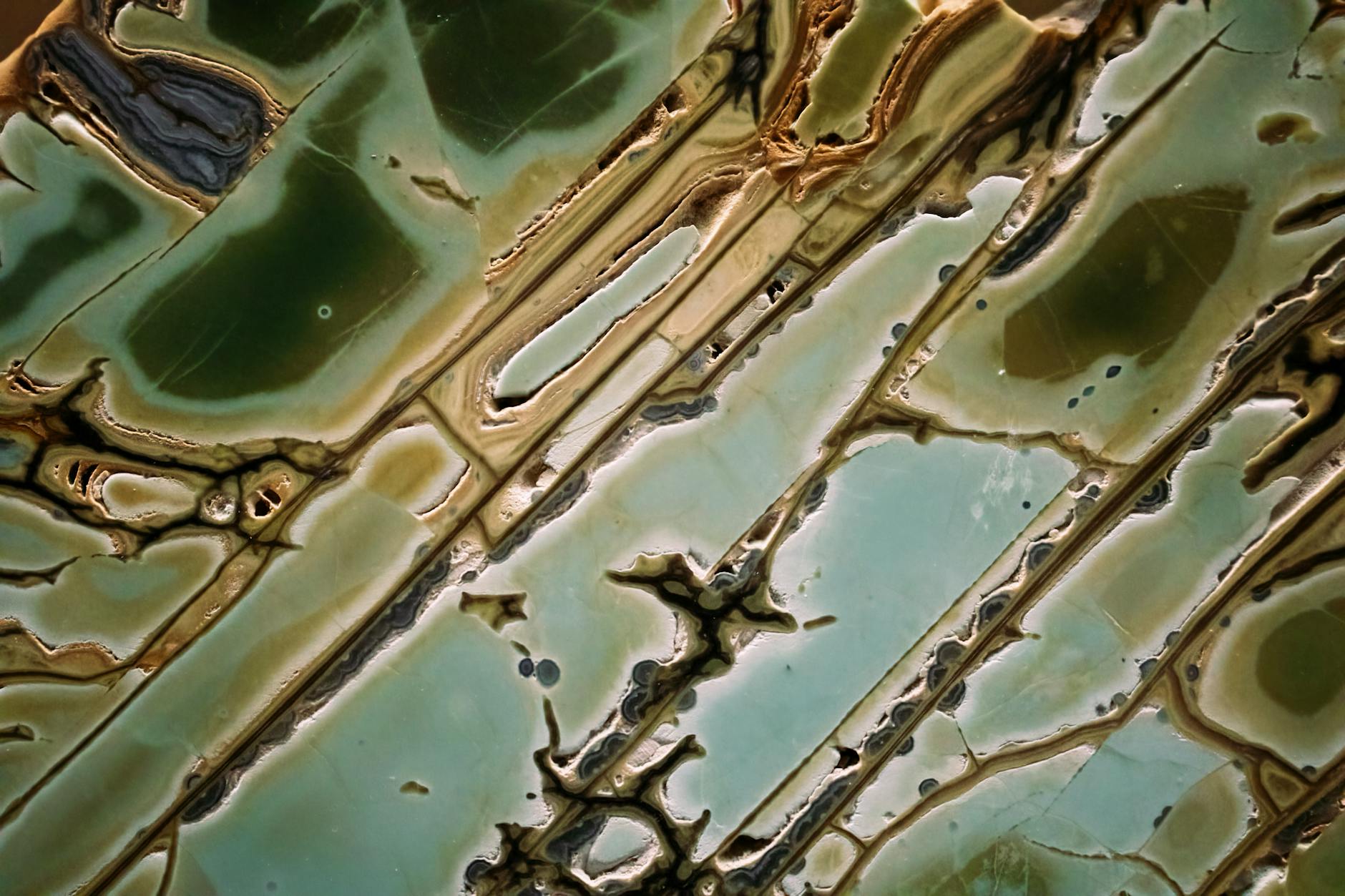
Unlocking Earth’s Story: The Role of Metasedimentary Rocks
Metasedimentary rocks are important geological formations created from sedimentary rocks that have undergone metamorphism. Understanding these rocks helps us uncover information about Earth’s past environments and processes.
Why They Matter in Everyday Life
Metasedimentary rocks play an essential role in various aspects of life, from construction to natural resource extraction. They provide insights into past environments and how geological processes shape our planet. By studying these rocks, scientists can learn about ancient climates and tectonic activities, helping us understand how Earth has changed over millions of years.
From Construction to Carbon Storage
The significance of metasedimentary rocks extends beyond academic interest. They serve as foundational materials in construction projects and can also aid in carbon storage solutions, addressing climate change concerns. Their unique properties make them valuable resources for various industries.
What Are Metasedimentary Rocks?
Defining the Basics
In geology, metasedimentary rock is a type of metamorphic rock that originates from sedimentary rocks. These rocks initially form through the deposition and solidification of sediment. Over time, they become buried under additional layers of rock and experience high pressures and temperatures that cause them to recrystallize. Even with extensive metamorphism, the original sedimentary rock’s composition can often be identified.
The Journey from Sediment to Rock
The transformation from sediment to metasedimentary rock begins with the accumulation of sediments from sources like rivers, lakes, or oceans. When sediments compact under pressure, they form sedimentary rocks. If these rocks are later buried deeper in the Earth and subjected to intense heat and pressure, they undergo metamorphism and become metasedimentary rocks.
How They Form: The Geological Process
The Role of Pressure and Temperature
Pressure and temperature are critical factors in the formation of metasedimentary rocks. As layers of sedimentary rock become more deeply buried, the weight of the overlying material exerts pressure on them. Along with increased temperature from geothermal gradients, this pressure leads to physical and chemical changes in the rock’s mineral composition.
Metamorphism: A Closer Look
Metamorphism is the process by which sedimentary rocks transform into metasedimentary rocks under extreme conditions. During this process, minerals may recrystallize or change into new minerals entirely. This alteration results in the unique textures and structures observed in metasedimentary rocks today.
How It Works: The Transformation Process
From Layered Sediments to Metasedimentary Structures
The transformation from layered sediments to metasedimentary structures involves complex changes over time. As sediments settle and compact, they form distinct layers that may contain fossils or other features. When subjected to metamorphic conditions, these layers can develop new textures such as foliation or banding, indicating the intensity of metamorphism.
The Influence of Time and Environment
Time plays a significant role in the transformation process. The longer sediments remain buried under pressure, the more likely they are to undergo metamorphic changes. Environmental factors such as tectonic activity can also influence the extent and type of metamorphism that occurs, leading to diverse metasedimentary rock types across different regions.
Common Myths About Metasedimentary Rocks
Myth 1: They Are Just Ordinary Sedimentary Rocks
A common misconception is that metasedimentary rocks are simply ordinary sedimentary rocks. In reality, they are distinct due to their metamorphic origins and possess unique properties resulting from high-pressure and high-temperature conditions.
Myth 2: Their Formation Is a Quick Process
Another myth is that metasedimentary rocks form quickly. In truth, their development can take millions of years as sediments accumulate, undergo compaction, and experience metamorphism over lengthy geological periods.
Real-World Applications of Metasedimentary Rocks
Construction Materials and Beyond
Metasedimentary rocks have practical applications in construction due to their durability and aesthetic appeal. Materials like slate and marble are commonly used for roofing tiles, flooring, and countertops because they combine beauty with strength.
The Role in Natural Resource Extraction
These rocks also play an important role in natural resource extraction. Certain metasedimentary formations can contain valuable minerals or serve as reservoirs for oil or gas deposits. Understanding their characteristics helps geologists explore for these resources effectively.
The Future of Metasedimentary Research
Advancements in Geological Studies
The study of metasedimentary rocks is continually evolving with advancements in technology and research methods. New techniques allow for more detailed analysis of mineral compositions and structures, leading to deeper insights into their formation processes.
Implications for Climate Change Understanding
This research has significant implications for understanding climate change as well. By examining how these rocks have formed over time under varying environmental conditions, scientists can better predict future geological responses to ongoing climate shifts.
In summary, metasedimentary rocks are more than just geological formations; they tell stories about Earth’s history while serving practical purposes today. Their unique formation processes make them vital subjects for ongoing research that addresses both scientific questions and real-world challenges.
Sources
Why do you keep falling for the same type?
Read the article Lovemaps: the hidden blueprint of our love.
Did you not find what you were looking for? Let me help you find more.
