
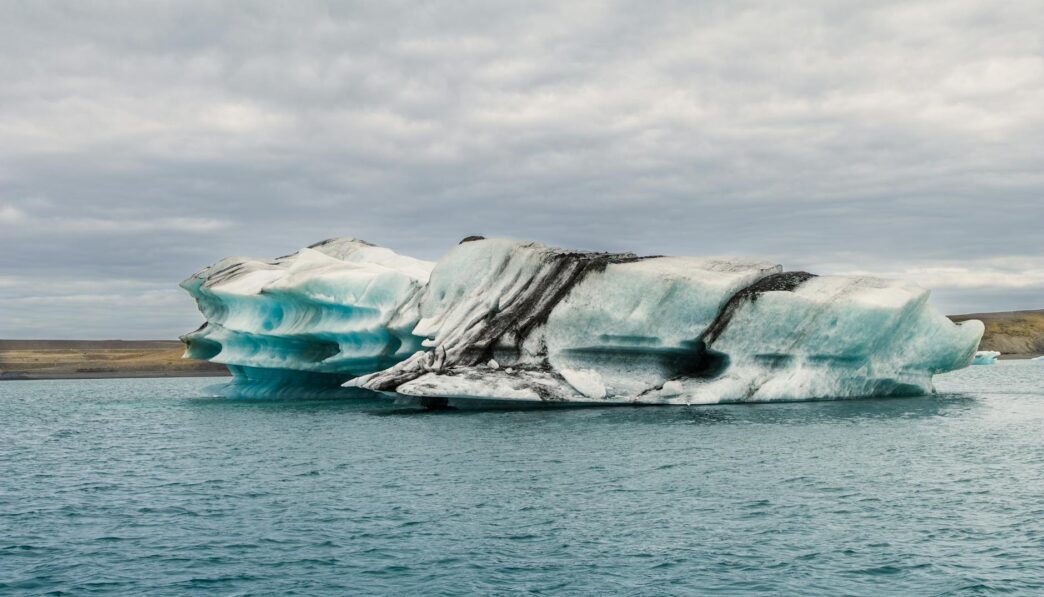
Environmental Humanities: Exploring Culture, Nature, and Climate Issues
Many people confuse environmental humanities with just literature and art. This view overlooks the broader scope of the field. Environmental … Read more

Many people confuse environmental humanities with just literature and art. This view overlooks the broader scope of the field. Environmental … Read more

Why You Should Care About Ticks While hiking through a wooded area, a person felt a sudden itch on their … Read more

Explore Kenorland, a hypothetical Neoarchaean supercontinent formed 2.72 billion years ago, and its impact on Earth’s geological history and tectonic activity.

The Iron Catastrophe was a crucial early Earth event where iron and nickel formed the core, shaping the planet’s magnetic field and supporting life.

Explore the Indus River’s geography, vital role in agriculture, and rich historical significance from ancient civilizations to modern-day challenges.

Explore Earth’s internal structure, its layers, and composition, and learn how this knowledge helps predict natural disasters and manage resources.
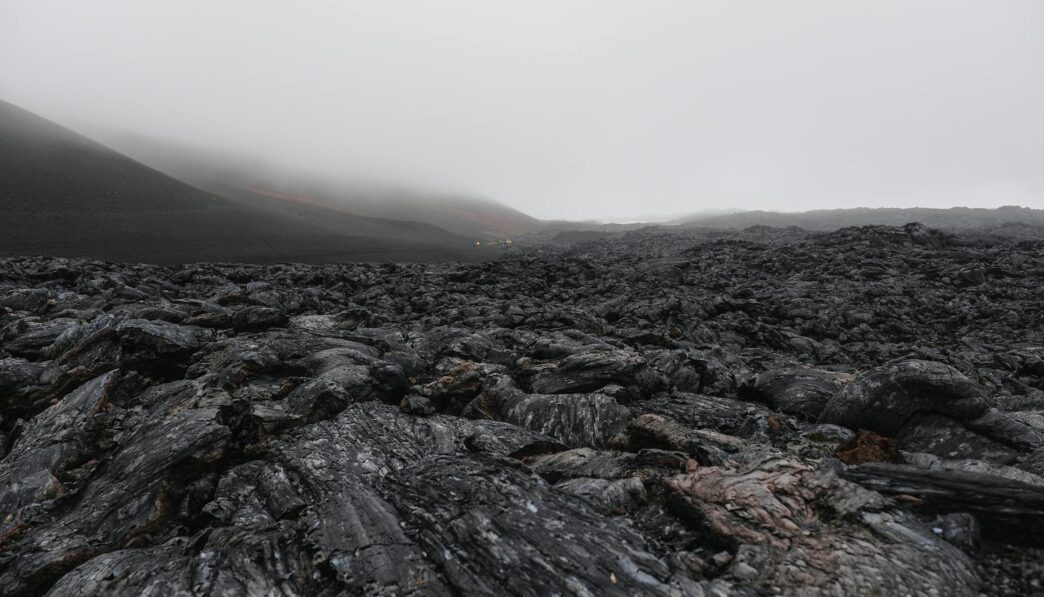
Explore how igneous rocks form from cooling magma and lava, their types, characteristics, and importance in Earth’s geology and daily life.

Discover hydrothermal vents, underwater fissures emitting superheated mineral-rich water that support unique ecosystems and reveal deep-sea secrets.

Explore the lifestyle of hunter-gatherer societies, their survival skills, social dynamics, and lessons for sustainable living and cultural understanding.

Explore the causes, effects, and environmental impact of haze, an atmospheric condition that reduces visibility and affects health and ecosystems worldwide.

Explore how photosynthesis converts light into energy, supporting life and inspiring renewable energy innovations. Understand its process, myths, and applications.
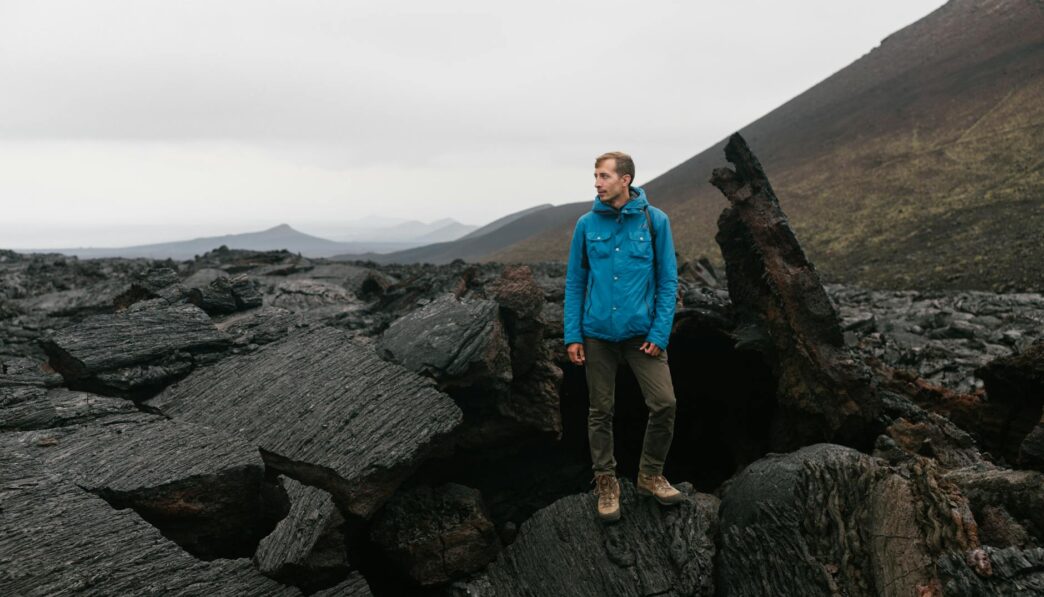
Explore how volcanoes form and erupt, their impact on climate and environment, and the benefits they bring to ecosystems and human life.

Explore the origins of Earth’s water and its vital role in ecosystems, human survival, and the water cycle that sustains life on our planet.

Explore the types, formation, and weather impact of clouds, and learn how they influence climate, agriculture, and forecasting in everyday life.
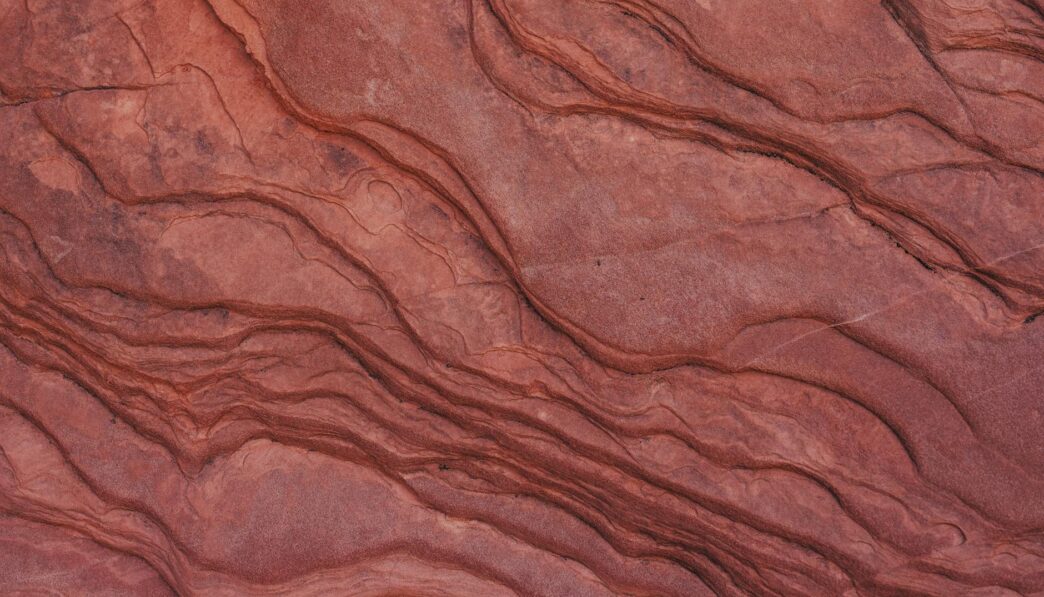
Discover stromatolites, ancient layered sedimentary structures formed by microbes, revealing Earth’s early life and unique ecosystems still found today.
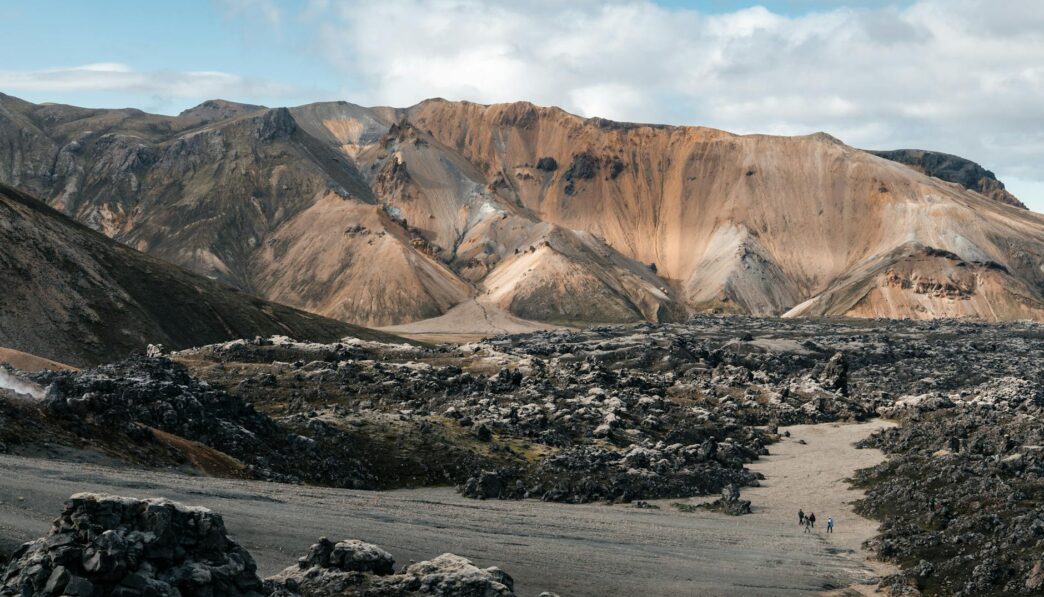
Explore how plate tectonics shape Earth’s surface, causing earthquakes, volcanic eruptions, and mountain formation through the movement of lithospheric plates.
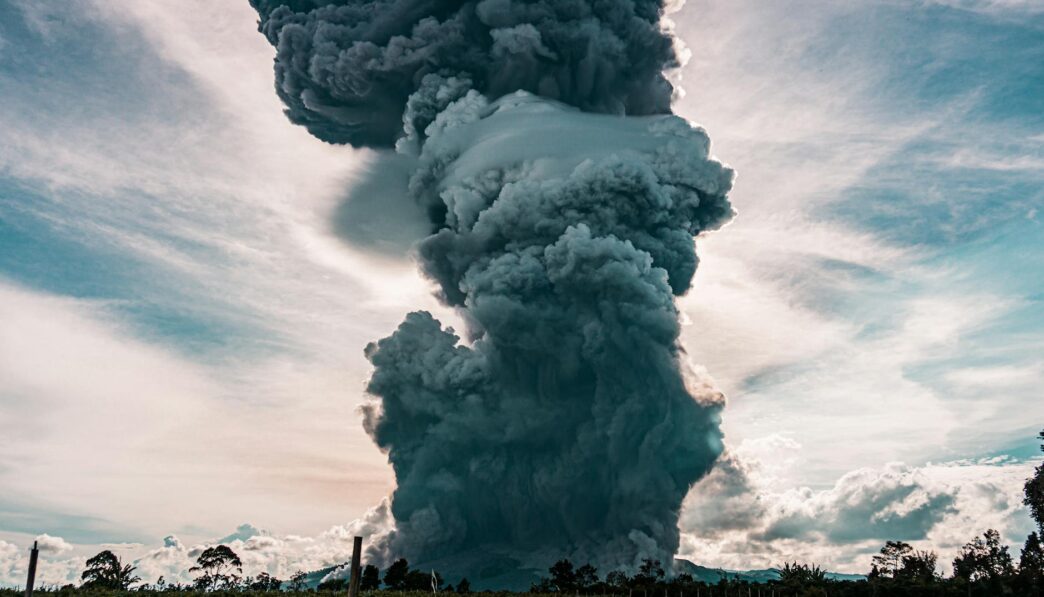
Explore the fundamentals of plate tectonics and the Earth’s lithosphere movement, understanding their impact on natural events and our planet’s future.

Explore vertebrates, animals with backbones and skulls, including mammals, birds, reptiles, amphibians, and fish, and their vital roles in ecosystems and human life.

Explore the vital role of planetary crusts, from Earth’s minerals to tectonic activity and their impact on life, environment, and planetary evolution.

Explore the Snowball Earth hypothesis, detailing global glaciation events during the Proterozoic Eon and their impact on Earth’s climate and life.