

Yellow River: Major River in Northern China and Its Characteristics
The Yellow River is a vital water source in northern China, supporting millions and shaping culture and economy despite challenges like flooding and water scarcity.

The Yellow River is a vital water source in northern China, supporting millions and shaping culture and economy despite challenges like flooding and water scarcity.

Explore how mantle convection drives Earth’s tectonic movements and influences geological events like earthquakes and volcanic eruptions shaping our planet.
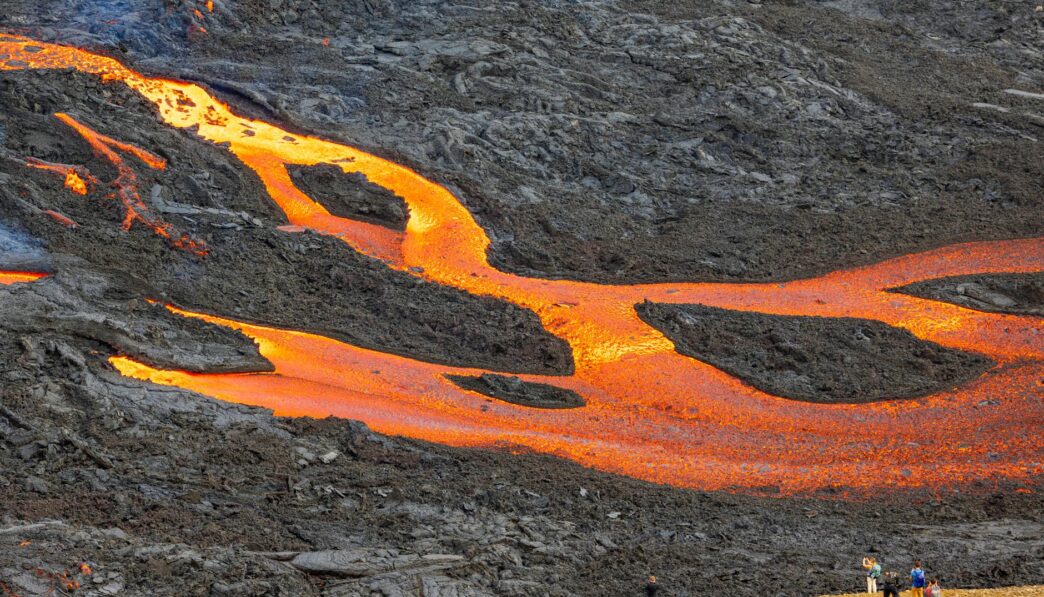
Basalt is a common volcanic rock formed from cooled lava, essential in construction and natural landscapes, revealing Earth’s geological processes.

Discover the Earth’s mantle, the thick layer between the core and crust that drives tectonic activity, volcanic eruptions, and influences climate.

Explore the Cenozoic Era, Earth’s current geological period marked by mammal dominance and major climate changes shaping today’s ecosystems.

Explore the key characteristics and composition of felsic igneous rocks, including their formation, mineral content, and significance in geology and daily life.

Explore the key features and geological significance of oceanic trenches, the deepest parts of our oceans vital to Earth’s ecosystems and plate tectonics.

Explore the Pleistocene Epoch, Earth’s last Ice Age, marked by glaciations that shaped landscapes and influenced species evolution including humans.

Explore how fossils preserve ancient life and reveal Earth’s history through body and trace fossils, fossilization processes, and modern paleontology techniques.

Discover Ascension Island’s geography, history, unique ecosystems, and its role in scientific research and conservation efforts in the South Atlantic Ocean.
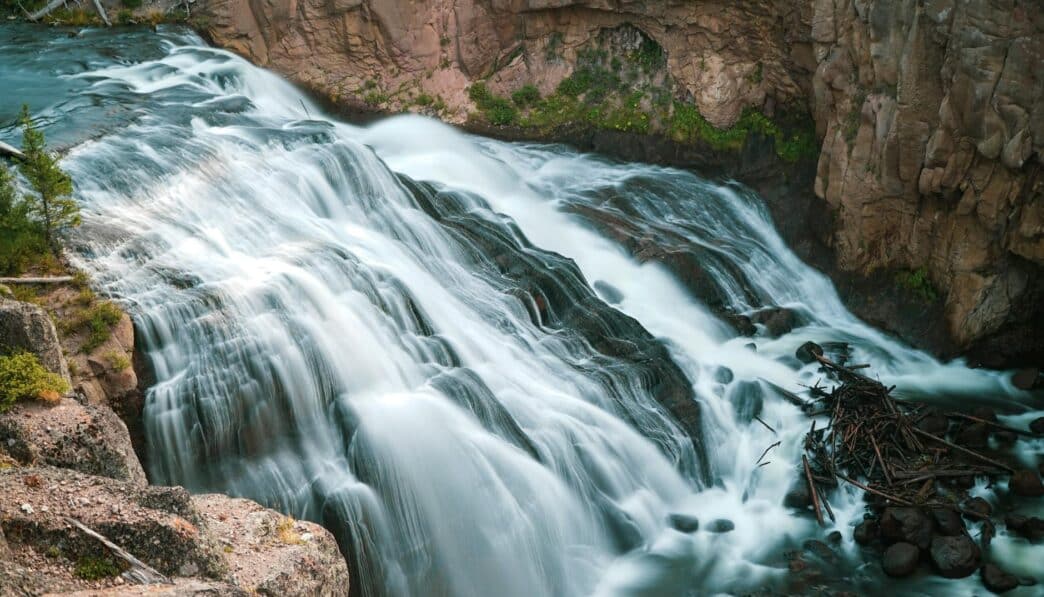
Explore the Holocene Epoch, our current geological era marked by climate stability and human progress, shaping the environment and future challenges.
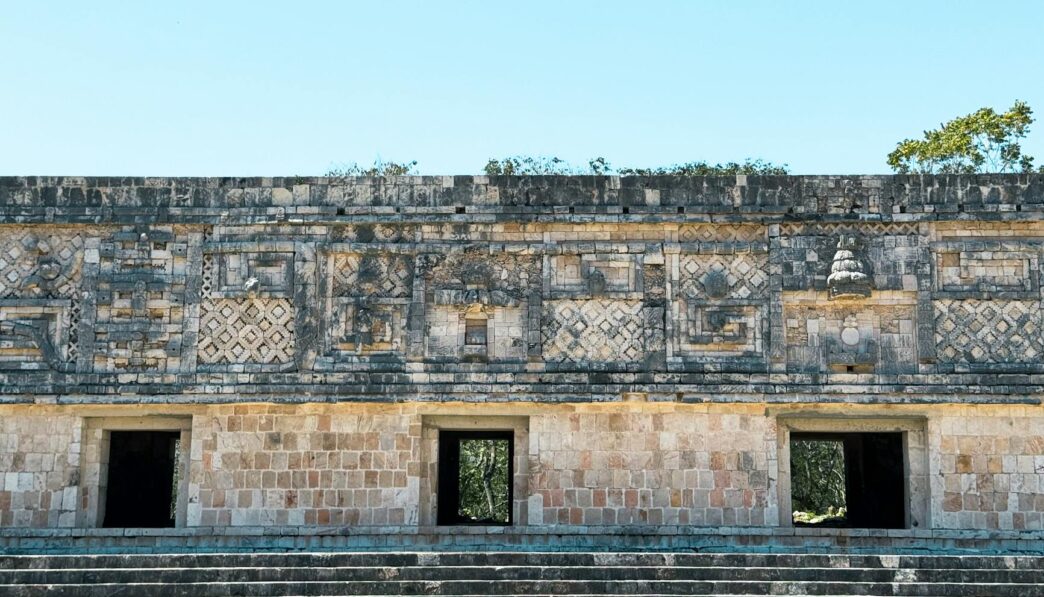
Explore the Chicxulub crater in Mexico’s Yucatán, the prehistoric asteroid impact site linked to mass extinction and crucial scientific discoveries.

Explore Earth’s outer core, a vital fluid layer between the inner core and mantle that generates the magnetic field protecting our planet.

Explore how subduction shapes Earth’s surface, triggers earthquakes, and forms mountains, highlighting its importance in geology and disaster preparedness.
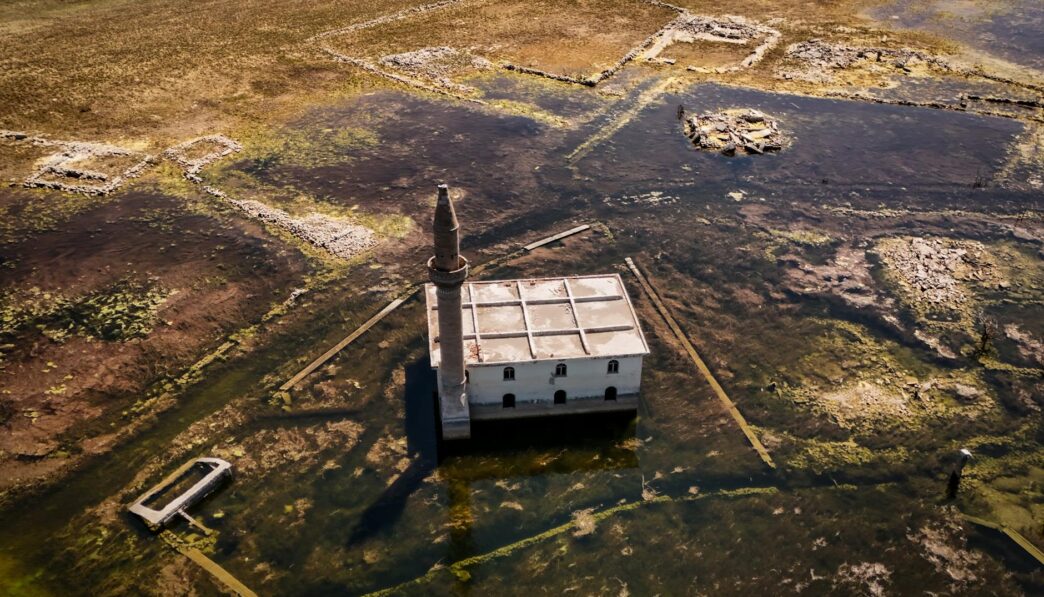
Explore the history of agriculture, from ancient innovations to modern technologies shaping global food security and economic stability.

Explore the domestication of vertebrates and its impact on agriculture, economy, culture, and the science behind taming wild animals over generations.

Explore Pannotia, a Neoproterozoic supercontinent from 600 million years ago, and learn how its formation shaped Earth’s geology and life evolution.

Explore the history and importance of dog collars, from ancient times to modern smart designs, highlighting safety, style, and cultural significance.

Explore the Proterozoic Eon, Earth’s longest geologic era from 2.5 billion to 539 million years ago, marked by oxygen rise and early multicellular life.

Explore Vaalbara, Earth’s first hypothetical supercontinent, its geological significance, and how it shaped our planet’s early continental formation and tectonic processes.