
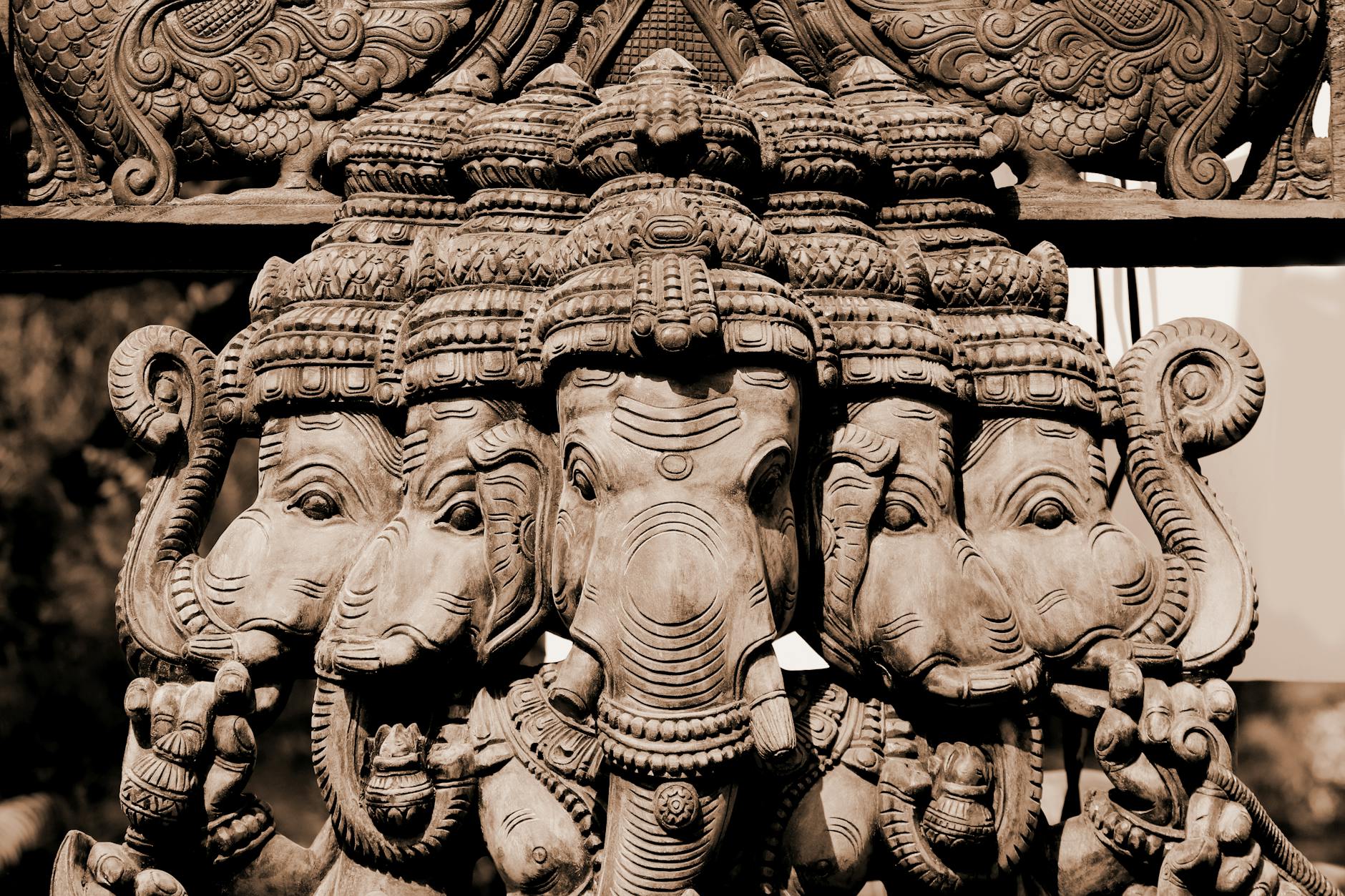
Overview of Ancient India: A Historical Timeline and Culture
Ancient India encompasses the Indian subcontinent from prehistoric times until the onset of Medieval India, typically marked by the end of the Gupta Empire around 500 CE. Understanding this history helps us appreciate contemporary Indian culture and its influence on the world today.
Why It Matters Today
The legacy of ancient India is evident in modern society through its languages, religions, philosophies, and contributions to science and arts. The ideas that emerged during this period continue to influence millions of people today. From yoga and meditation to mathematics and astronomy, ancient Indian innovations remain integral to many aspects of contemporary life.
A Glimpse into the Past
The history of ancient India can be divided into several key periods:
- Pre-history (Neolithic Age) (c. 8000:3500 BCE): Early agricultural communities began to emerge.
- Proto-history (Bronze Age) (c. 3500:1800 BCE): The rise of urban centers like the Indus Valley Civilization.
- Iron Age (c. 1800:200 BCE): Introduction of iron tools and formation of kingdoms.
- Pre-Classical Period (c. 600 BCE:200 CE): Growth of significant empires like the Maurya Empire and cultural developments such as the Vedic texts.
- Classical Period (c. 200:550 CE): Flourishing of arts and sciences during the Gupta Empire.
Everyday Life in Ancient Civilizations
Daily Routines and Social Structures
Life in ancient India revolved around agriculture, trade, and family structures. Villages were often self-sufficient, with families working together to cultivate crops and manage livestock. Social structures were typically hierarchical, divided among various castes based on profession and status. This system influenced daily life, including marriage practices and job opportunities.
Food, Fashion, and Festivals
The diet in ancient India varied by region but commonly included grains like rice and wheat along with vegetables, lentils, and dairy products. Spices were essential in cooking and trade. Fashion reflected social status; wealthier individuals wore fine textiles often dyed in vibrant colors. Festivals played a crucial role in community life, celebrating harvests or religious events with music, dance, and elaborate rituals.
Innovations That Shaped a Nation
Mathematics and Astronomy
Ancient Indian mathematicians made significant contributions, including the concept of zero and the decimal system. Aryabhata, a prominent mathematician and astronomer from this era, accurately calculated the value of pi and proposed that Earth rotates on its axis. These advancements laid foundations for future developments in mathematics worldwide.
Medicine and Engineering
The ancient Indians excelled in medicine through practices like Ayurveda, which focused on herbal remedies and holistic care. Engineering feats included advanced urban planning seen in cities like Mohenjo-Daro with sophisticated drainage systems. These innovations showcased an understanding of both health and infrastructure that remains relevant today.
The Mechanics of Ancient Knowledge
Understanding Ancient Texts
Ancient Indian texts such as the Vedas provide insight into early philosophical thoughts, rituals, and societal norms. They were written in languages like Sanskrit and Tamil, contributing to rich literary traditions that have influenced countless generations.
The Role of Oral Tradition
Before written texts became common, oral tradition was vital for preserving knowledge. Stories passed down through generations often included moral lessons or historical events that shaped cultural identity. This tradition continues today in various forms like storytelling festivals across India.
Mysteries and Misconceptions
Common Myths About Ancient India
Misinformation about ancient India often oversimplifies its cultures or misrepresents its achievements. For instance, some assume that all ancient Indians lived in primitive conditions; however, evidence shows complex societies with advanced technologies existed long before colonial influences.
Debunking Stereotypes
Stereotypes about caste systems often neglect how fluid social mobility was in many regions during ancient times. While castes did exist, historical accounts reveal various instances where individuals could rise beyond their assigned roles based on merit or achievements.
The Influence of Religion and Philosophy
Diverse Belief Systems
Ancient India was home to multiple religions including Hinduism, Buddhism, Jainism, and later Islam. Each belief system contributed unique philosophies about life’s purpose and ethics that shaped societal values across centuries.
Philosophical Contributions to Society
The philosophical discourse during this period explored concepts like karma and dharma that continue to resonate within spiritual contexts today. Thinkers like Gautama Buddha emphasized mindfulness and compassion which are foundational principles in various spiritual practices worldwide.
The Legacy of Ancient India in Modern Times
Cultural Continuity and Change
The cultural practices established during ancient times can still be seen today in festivals, arts, music, cuisine, and more across India. While globalization has introduced new influences, many traditional elements remain deeply ingrained within society.
Global Impact on Science and Arts
The contributions from ancient India have transcended borders influencing fields such as mathematics, astronomy, art forms like sculpture, dance styles like Bharatanatyam, as well as literature globally. These contributions highlight the interconnectedness of human achievement across civilizations.
Conclusion: Lessons from the Past for the Future
The history of ancient India offers valuable lessons about resilience through cultural evolution amidst challenges posed by time. As we navigate modern complexities today, remembering these lessons can inspire future generations to embrace diversity while fostering innovation rooted in rich traditions.
Sources
- Outline of ancient India – Wikipedia
- www.civilsdaily.com
- www.rafiquemughal.com
- web.archive.org
- books.google.com
- doa.gov.np
- web.archive.org
- www.cambridge.org
- books.google.com
- web.archive.org
- www.docshut.com
Articles
- History of Communication Studies from Ancient Times to the 20th Century
- Shang Dynasty: Overview of China's Ancient Bronze Age (c. 1600:1046 BC)
- Stromatolites: Ancient Layered Sedimentary Structures Explained
- The Aetolian League: An Ancient Greek Tribal Alliance Explained
- Post-Classical History: The Era Between Ancient and Modern Times
- Greenstone Belts: Metamorphosed Rock Zones in Ancient Cratons
Days
- February 1: Hula in the Coola Day
- January 30: Sadeh Festival (Tajikistan)
- January / February: Lunar New Year
- January / February: Tết Nguyên Đán (Vietnam)
- January 28: Daisy Day
- January 27: Speak Up and Succeed Day
Why do you keep falling for the same type?
Read the article Lovemaps: the hidden blueprint of our love.
Did you not find what you were looking for? Let me help you find more.
