
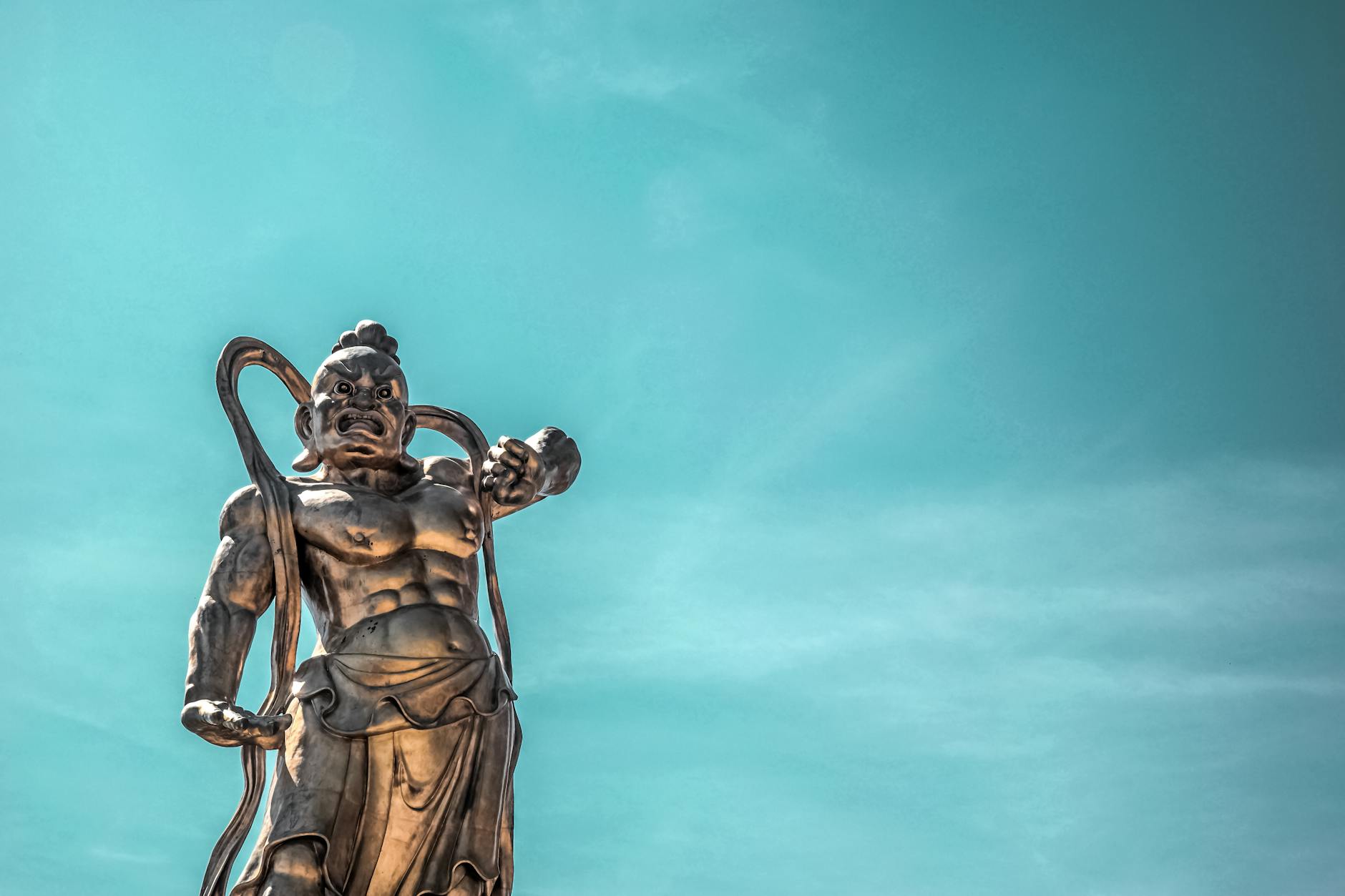
Many people think of sculpture as just traditional forms made from stone or metal. This view overlooks the wide variety of materials and styles available today. Sculpture encompasses a range of artistic expressions that can be found in many settings. After reading, you will have a clearer understanding of what sculpture truly includes.
Engaging with Sculpture in Everyday Life
Walking through a city park, a person stops to admire a large bronze statue of a historical figure. Nearby, children are playing around a whimsical sculpture made of colorful recycled materials. These encounters highlight how sculptures can enrich our daily experiences and surroundings.
A sculpture is a human-made three-dimensional art object. It serves as a powerful form of expression that connects people to culture, history, and emotions. Sculptures can be found in galleries, public spaces, and homes, influencing how we perceive our environment.
Art Beyond the Gallery
Sculpture exists beyond traditional art venues. Public installations and outdoor sculptures invite interaction, making art accessible to everyone. These pieces often reflect community values or historical events, allowing people to engage with art in their everyday lives.
Finding Sculptures in Unexpected Places
Sculptures can be found in various locations. From small figurines adorning garden paths to monumental works dominating city squares, they appear in parks, museums, and shopping centers. This accessibility transforms ordinary spaces into realms of artistic exploration.
The Mechanics of Three-Dimensional Art
From Concept to Creation
The process of creating a sculpture begins with an idea or concept. Sculptors translate these ideas into tangible forms using various methods and materials. This creative journey often involves sketching designs, selecting materials, and determining the appropriate techniques for execution.
How it Works: The Sculpting Process
Sculpting involves different techniques such as carving, modeling, and casting. Carving removes material from a solid block, while modeling adds material to create shapes. Casting allows artists to create duplicates by pouring liquid material into molds. Each method contributes uniquely to the final artwork’s appearance and meaning.
Breaking Down Common Misunderstandings
Myths About Sculpture Materials
Many believe that only traditional materials like marble or bronze are suitable for sculpture. In reality, sculptors use a wide range of materials including wood, clay, metal, and found objects. This diversity allows for creativity and innovation within the medium.
Debunking the ‘Only for Artists’ Belief
Some think that creating sculptures is solely for trained artists. However, many community programs encourage everyone to explore sculpting as a hobby or form of expression. Workshops and classes allow people from all backgrounds to try their hand at making three-dimensional art.
The Role of Space and Environment
Sculpture in Public Spaces
Sculptures play an important role in public spaces by enhancing the aesthetic appeal of surroundings. They can serve as landmarks or focal points that bring communities together. For instance, fountains adorned with sculptures often become gathering places where people connect and share experiences.
The Influence of Surroundings on Perception
The context in which a sculpture is placed significantly influences how it is perceived. A piece may evoke different emotions depending on its environment; urban settings can lend a contemporary feel while natural landscapes may create tranquility. This interplay between sculpture and its surroundings enriches the viewer’s experience.
Innovations Shaping Modern Sculpture
Technological Advancements in Sculpture Making
Modern technology has transformed sculpting practices. Tools like 3D printing enable artists to experiment with complex designs that were once difficult or impossible to achieve by hand. Digital modeling software also helps sculptors visualize their work before beginning physical creation.
Interdisciplinary Approaches to Sculpture
Contemporary sculpture often blends elements from different artistic disciplines such as architecture and performance art. Artists collaborate across fields to create immersive experiences that challenge traditional notions of sculpture as merely static objects.
The Emotional Impact of Sculptural Art
Connecting with Viewers on a Deeper Level
Sculptures can evoke powerful emotional responses from viewers. A well-crafted piece may resonate deeply due to its subject matter or execution style. Whether it inspires awe or contemplation, sculpture has the ability to forge connections between the viewer and the artwork.
The Story Behind the Form
Each sculpture tells a story through its subject matter or the artist’s intent. Understanding the narrative behind a piece can enhance appreciation and provoke thought about broader themes such as identity, culture, or social issues.
Sculpture as a Reflection of Culture
Symbolism and Meaning in Different Societies
Sculpture serves as a mirror reflecting cultural values and beliefs across societies. Historical figures may be immortalized through statues that express reverence or remembrance. Cultural symbols embodied in sculptures help preserve traditions and educate future generations about their heritage.
Evolving Narratives Through the Medium
The stories told through sculpture evolve over time as cultures change and new perspectives emerge. Artists today continue to reinterpret historical themes while also addressing contemporary issues such as social justice or environmental concerns through their work.
Conclusion
Sculpture is more than just an art form; it is an integral part of our cultural landscape that engages us emotionally and intellectually. From public installations to personal creations, sculptures enrich our lives by inviting reflection on our history, society, and shared experiences. Through understanding its significance and diversity, we can appreciate how three-dimensional art continues to shape our world today.
Sources
- Outline of sculpture – Wikipedia
- en.wiktionary.org
- commons.wikimedia.org
- en.wikinews.org
- en.wikiquote.org
- en.wikisource.org
- en.wikibooks.org
- en.wikiversity.org
- web.archive.org
- www.ilovefiguresculpture.com
- web.archive.org
Afterword
This observation highlights a common misconception about sculpture, focusing on traditional materials while ignoring the diversity in the medium. By exploring various forms and contexts, readers can appreciate the broader scope of sculpture and its significance in art.
Why do you keep falling for the same type?
Read the article Lovemaps: the hidden blueprint of our love.
Did you not find what you were looking for? Let me help you find more.
