
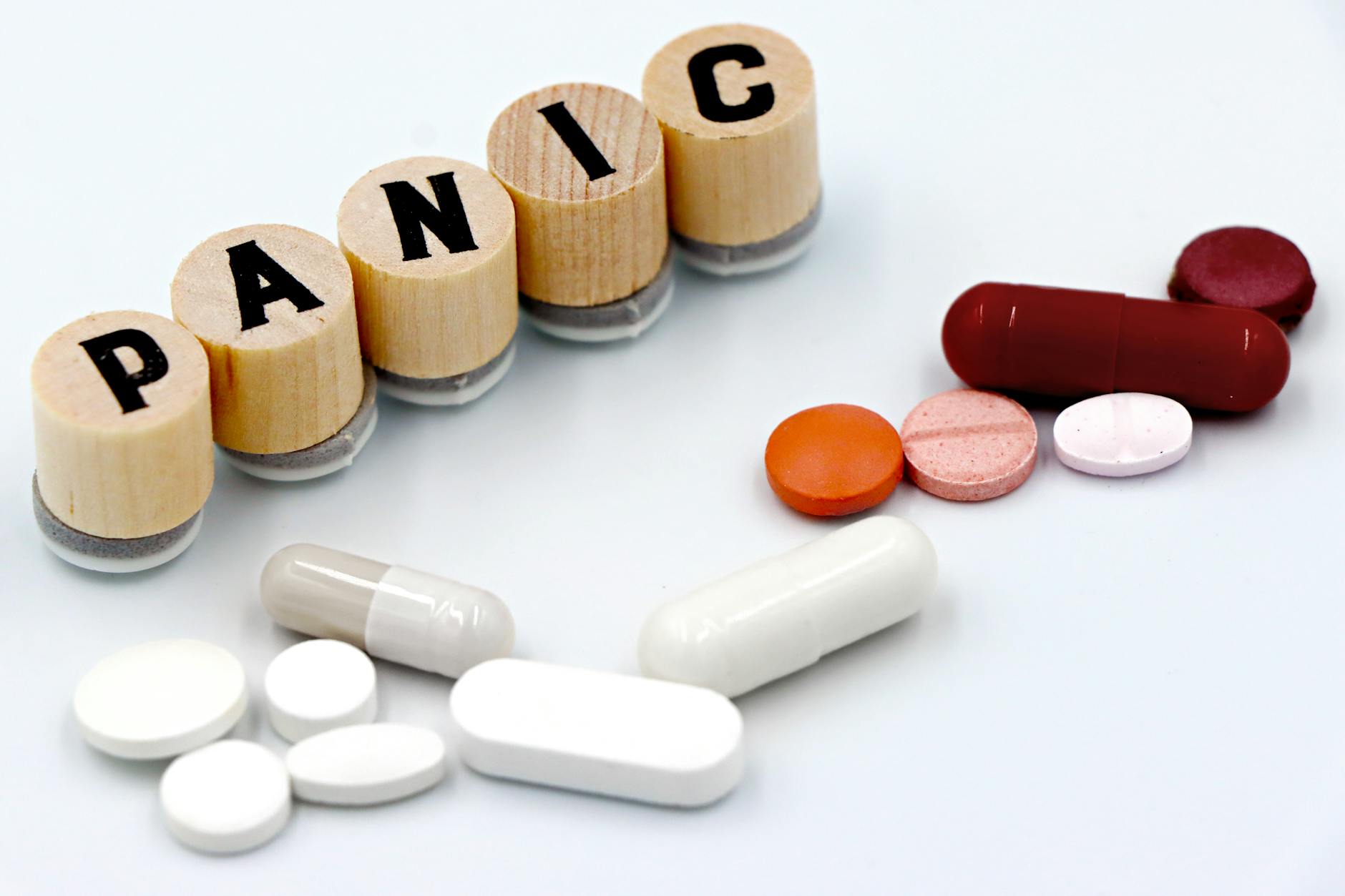
Panic Disorder: Understanding Symptoms, Causes, and Treatment Options
Why It Matters
Panic disorder is an anxiety disorder marked by recurring unexpected panic attacks. These attacks can significantly impact daily activities and quality of life. Approximately 2.5% of the population experiences panic disorder at some point in their lives. During a panic attack, individuals may experience intense fear accompanied by physical symptoms such as palpitations, sweating, shaking, shortness of breath, numbness, or a sense of impending doom.
Everyday Impact
Living with panic disorder can disrupt daily life significantly. Those affected often experience ongoing worries about having additional attacks and may avoid places where previous attacks occurred. This avoidance can lead to restrictions in activities and social interactions, resulting in isolation and decreased quality of life. Many individuals find it challenging to maintain relationships or succeed at work or school due to the fear of experiencing another attack.
How It Works: The Science Behind Panic Attacks
The Brain’s Response
During a panic attack, the brain triggers a "fight or flight" response involving several regions, including the amygdala, which processes fear. Individuals may feel as if they are losing control or even dying due to the intense physical symptoms. Research indicates that people with panic disorder often experience heightened interoceptive awareness, meaning they may interpret normal bodily sensations as dangerous.
Signs and Symptoms
Panic attacks can vary in duration but typically last around ten minutes. Symptoms may include:
- Rapid heartbeat (palpitations)
- Sweating
- Dizziness or lightheadedness
- Shortness of breath or choking sensation
- Trembling or shaking
- Feelings of unreality (derealization) or depersonalization
- Fear of dying or losing control
Some individuals may also experience nocturnal panic attacks while sleeping. Limited symptom attacks are similar but have fewer symptoms and can also occur in those with panic disorder.
Causes
The exact cause of panic disorder remains unclear; however, several factors contribute to its development:
- Genetics: Panic disorder can run in families, suggesting a hereditary component.
- Stressful Life Events: Traumatic experiences can trigger the onset of panic attacks.
- Cognitive Factors: Misinterpreting bodily sensations can lead to panic reactions.
- Substance Use: Substance use disorders are linked to an increased risk for panic attacks.
- Tobacco Use: Smoking elevates the risk for developing panic disorder.
The Role of Stress and Environment
Environmental factors and psychological stressors significantly influence the onset of panic attacks. People who feel overwhelmed by responsibilities or who have experienced significant life changes may be at higher risk for developing this condition.
Diagnosis and Treatment
The diagnosis of panic disorder follows criteria outlined in the DSM-5. A healthcare provider will look for recurrent, unexpected panic attacks followed by at least one month of persistent concern about further attacks or changes in behavior related to the attacks. Treatment options typically include:
- Cognitive Behavioral Therapy (CBT): This type of counseling is effective for many individuals with panic disorder. Studies suggest that it leads to recovery from panic attacks in 70-90% of patients within 12 weeks.
- Medications: Options include antidepressants (SSRIs), benzodiazepines for short-term relief, and beta-blockers.
While benzodiazepines can provide quick relief, they carry risks such as dependence. Consequently, SSRIs are generally preferred as a first-line treatment option.
The Importance of Support Systems
Support from family and friends can enhance recovery rates for those with panic disorder. Engaging in support groups can also be beneficial for sharing experiences and strategies for coping with anxiety. In conclusion, understanding panic disorder is essential for recognizing its impact on individuals' lives. With appropriate diagnosis and treatment options available, many people can manage their symptoms effectively and lead fulfilling lives despite challenges posed by this condition.
Sources
- Panic disorder – Wikipedia
- web.archive.org
- www.nimh.nih.gov
- archive.org
- www.nimh.nih.gov
- web.archive.org
- doi.org
- pubmed.ncbi.nlm.nih.gov
- api.semanticscholar.org
- doi.org
- pubmed.ncbi.nlm.nih.gov
Why do you keep falling for the same type?
Read the article Lovemaps: the hidden blueprint of our love.
Did you not find what you were looking for? Let me help you find more.
