
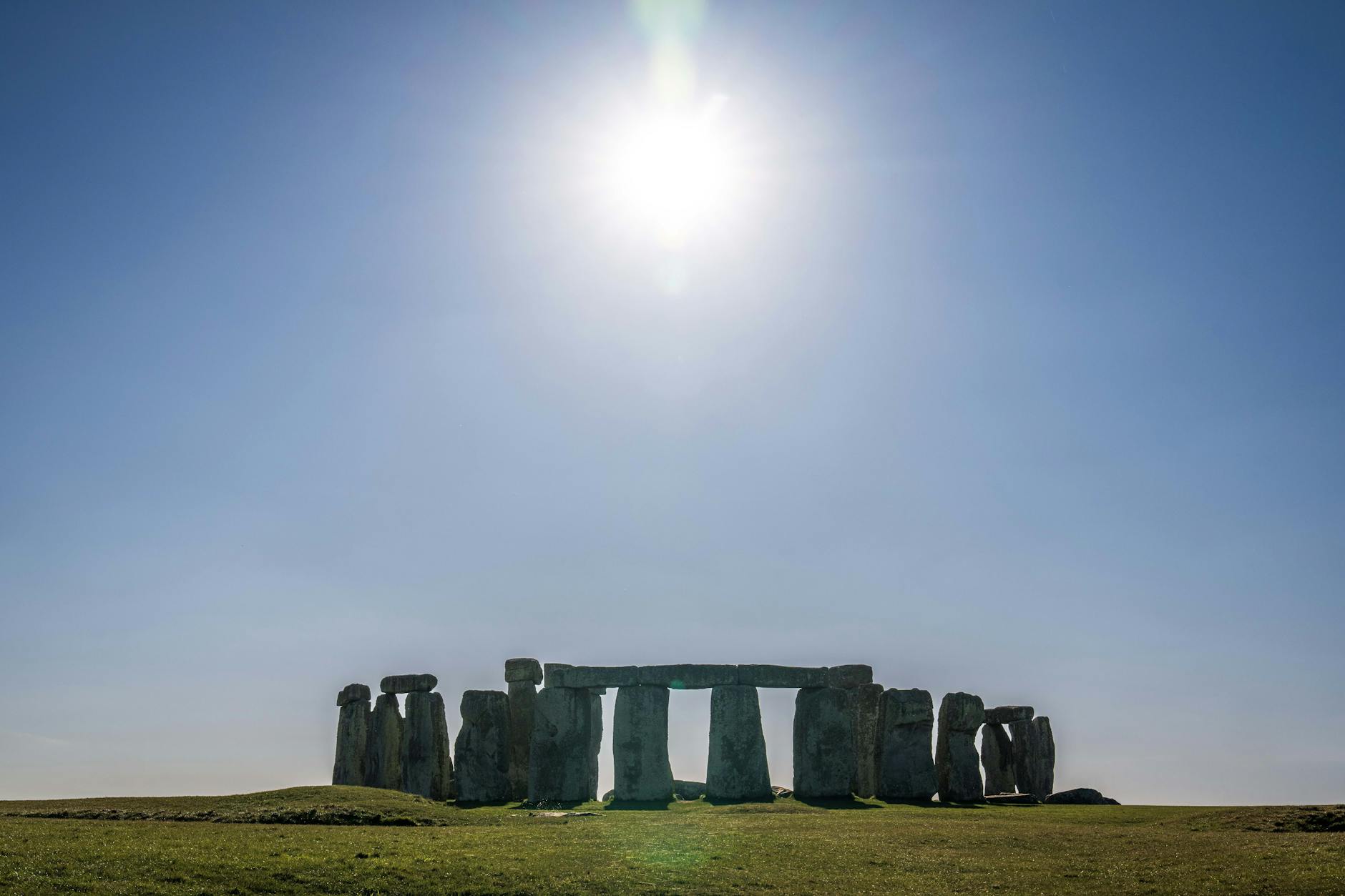
Prehistoric Europe: Cultural Development from the Lower Paleolithic Onward
Prehistoric Europe encompasses the time before written records began, spanning from the Lower Paleolithic to the Iron Age. This era significantly shapes our understanding of human development, influencing culture, technology, and social structures that resonate today.
Understanding Early Human Life
Daily Routines and Survival Strategies
Life for prehistoric people revolved around survival. They depended on hunting, gathering, and later agriculture to thrive. During the Lower Paleolithic (around 3 million to 300,000 years ago), early humans such as Homo antecessor and Homo heidelbergensis roamed Europe. Evidence suggests they were often nomadic, following animal herds and seasonal food sources.
The Mesolithic era marked a shift as people began to settle in specific areas. Sites like Lepenski Vir in modern-day Serbia reveal some of Europe’s earliest permanent communities with advanced structures and art. These groups had access to abundant food sources, enabling them to establish a sedentary lifestyle long before widespread agriculture.
Social Structures and Community Bonds
Social interactions were crucial for survival during this time. Small groups or bands formed tight-knit communities based on kinship and shared resources. Cooperation was essential for hunting large game and gathering food. As societies evolved into the Neolithic era, more complex social structures emerged, leading to early forms of governance and trade.
The introduction of agriculture transformed these communities further. Settlements grew larger as people cultivated crops and domesticated animals, resulting in increased population density and social stratification.
The Evolution of Tools and Technology
From Simple Stones to Complex Instruments
The journey of technology in prehistoric Europe began with simple stone tools used by early humans. The Oldowan tool tradition gave way to more sophisticated techniques like the Acheulean hand axes created by Homo erectus around 1.7 million years ago. These tools allowed for more efficient hunting and food preparation.
As cultures evolved through the Pleistocene, so did their tools. The Mousterian culture associated with Neanderthals developed specialized stone tools for specific tasks, indicating an advanced understanding of materials.
By the Upper Paleolithic (around 46,000 years ago), Homo sapiens introduced new innovations such as finely crafted blades and tools made from bone and antler. This period also saw the emergence of artistic expression through figurines and cave paintings.
The Role of Innovation in Human Progress
Innovation played a pivotal role in human progress throughout prehistory. The advent of metallurgy marked a major turning point around 3200 BC when copper smelting began in places like Belovode in Serbia. This technological advancement led to increased trade networks and social hierarchies as resources became more valuable.
The Bronze Age further advanced technological capabilities with the introduction of bronze tools around 2300 BC. This era saw significant cultural exchanges between different regions of Europe, influenced by migration patterns driven by trade.
Art and Expression: The Birth of Creativity
Cave Paintings and Symbolism
Art emerged as a powerful form of expression during prehistoric times. Cave paintings found in locations such as Chauvet Cave in France (dating back around 30,000 years) depict animals in dynamic poses, suggesting that early humans possessed a deep connection with their environment.
These artworks serve not only as decorative elements but also as potential spiritual symbols or records of hunting practices, reflecting the beliefs and experiences of those who created them.
Rituals and Their Significance
Rituals played a significant role in prehistoric societies, providing structure to their lives. Burial practices offer insights into beliefs about life after death. Sites like Varna in Bulgaria reveal elaborate burial mounds containing valuable artifacts indicative of social hierarchy.
The evolution of ritual practices illustrates how prehistoric people sought meaning beyond mere survival, connecting them to their communities and ancestors.
How It Works: Analyzing Archaeological Evidence
Techniques Used by Modern Archaeologists
Modern archaeology employs various techniques to uncover the mysteries of prehistoric Europe. Excavation methods range from traditional digging to advanced technologies like ground-penetrating radar that allow researchers to identify buried structures without disturbing the site.
Dating techniques such as radiocarbon dating help establish timelines for human activity based on organic materials found at archaeological sites.
Interpreting Findings from Excavations
The analysis of artifacts offers insights into the behaviors and lifestyles of prehistoric peoples. By studying tools, pottery styles, and settlement patterns, archaeologists can reconstruct aspects of daily life, social organization, and cultural practices across different eras.
Common Myths About Prehistoric Societies
The Notion of the ‘Savage’ Human
A common misconception about prehistoric peoples is that they were primitive or savage. In reality, they displayed sophisticated knowledge about their environment, developed complex social structures, and created art long before recorded history began.
Misconceptions about Gender Roles and Family Structures
Many believe that prehistoric societies were strictly patriarchal or matriarchal; however, evidence suggests that roles varied greatly depending on specific cultures and environmental conditions. Both men and women contributed significantly to subsistence activities, challenging modern stereotypes about gender roles in ancient times.
The Journey Forward: Lessons for Modern Society
Embracing Diversity in Culture and Thought
The rich tapestry of prehistoric cultures reminds us that diversity has always been a strength in human societies. Learning from these diverse backgrounds can foster tolerance and understanding among modern populations.
Sustainable Practices Inspired by Ancient Wisdom
Many ancient practices promote sustainability that modern society can adapt for contemporary challenges like climate change. Understanding how past societies thrived can provide valuable lessons for creating sustainable futures today.
The study of prehistoric Europe unveils a fascinating narrative about our ancestors’ lives, informing our understanding of humanity’s past while guiding us toward a better future.
Sources
- Prehistoric Europe – Wikipedia
- geohack.toolforge.org
- geohack.toolforge.org
- geohack.toolforge.org
- geohack.toolforge.org
- geohack.toolforge.org
- geohack.toolforge.org
- geohack.toolforge.org
- geohack.toolforge.org
- geohack.toolforge.org
- de.wikipedia.org
Why do you keep falling for the same type?
Read the article Lovemaps: the hidden blueprint of our love.
Did you not find what you were looking for? Let me help you find more.
