
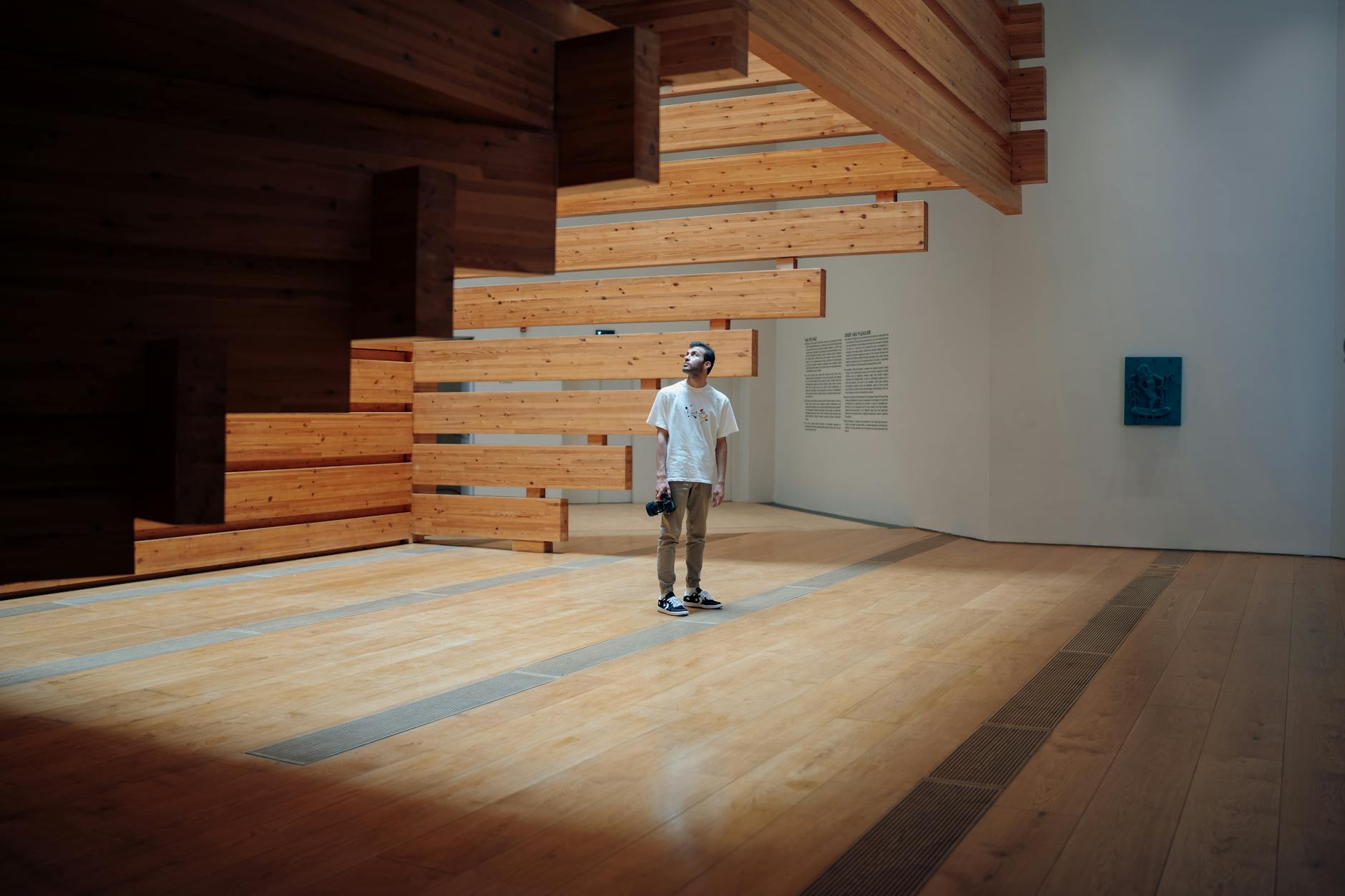
Many people think all sculptures are made from stone or metal. This oversimplification misses the variety of materials used in sculpture today. The topic is sculpture and the common mix-up about its materials. After reading, you'll see the range of materials sculptors actually use.
Why Sculpture Matters in Our Lives
Sculpture plays a pivotal role in shaping our cultural landscape. It captures and reflects the values, beliefs, and stories of societies throughout history. From ancient monuments to modern installations, sculptures invite us to pause and contemplate their significance.
- Historical Significance: Sculptures often commemorate important events or figures, preserving history for future generations.
- Cultural Identity: Different cultures express their identity through distinct sculptural styles, showcasing their heritage and traditions.
- Public Engagement: Outdoor sculptures in parks and public spaces invite interaction and foster community connections.
How It Works: The Craft of Sculpture
The craft of sculpture involves various techniques and materials. Sculptors often choose between additive methods, like modeling with clay, or subtractive methods, such as carving stone. Each material brings its own challenges and possibilities.
- Carving: This ancient technique involves removing material to create the desired form. Michelangelo’s David is a prime example of masterful stone carving.
- Molding: Artists can create molds to cast sculptures in materials like bronze or resin, allowing for multiple copies of an artwork.
- Assemblage: This method involves combining various objects to form a cohesive piece, reflecting the artist’s vision through found objects.
The Emotional Impact of Sculptural Art
Sculptures have the unique ability to evoke emotions through their form and presence. The tactile nature of three-dimensional art engages viewers on a sensory level, allowing them to connect with the piece physically and emotionally.
- Physical Presence: The scale and volume of a sculpture can create awe or intimacy, depending on its size and context.
- Symbolism: Many sculptures incorporate symbols that resonate personally with viewers, prompting introspection and dialogue.
- Interactive Experiences: Installations that encourage viewer participation can amplify emotional impact by creating shared experiences.
Common Myths About Sculpture
Despite its rich history, misconceptions about sculpture persist. Understanding these myths can deepen appreciation for the art form.
- Sculpture is Only for the Elite: Art is for everyone; many public sculptures are accessible and free to enjoy.
- Sculptors Only Work with Stone and Metal: Modern sculptors use diverse materials, including glass, fabric, and even digital media.
- You Need Formal Training to Create Sculpture: While education helps, many self-taught artists have made significant contributions to the field.
Sculpture in Everyday Life
Sculpture is not confined to galleries; it permeates our daily lives. From decorative items in homes to large-scale public artworks, sculpture enhances our surroundings.
- Home Decor: Sculptures can serve as conversation pieces, ranging from small figurines to dramatic wall installations.
- Parks and Urban Spaces: Public art can transform ordinary spaces into vibrant community hubs, encouraging social interaction.
- Cultural Celebrations: Festivals often feature large sculptures or floats that celebrate local heritage and creativity.
The Future of Sculpture: Innovations and Trends
The landscape of sculpture is evolving with technological advancements. Innovations are expanding creative possibilities while challenging traditional notions of art.
- 3D Printing: This technology allows artists to produce intricate designs that would be difficult or impossible to create by hand.
- Sustainable Materials: Eco-conscious artists are exploring biodegradable materials or repurposing waste into striking sculptures.
- Augmented Reality (AR): Some sculptors are incorporating AR elements into their work, creating interactive experiences that blend the physical and digital worlds.
Inspiration from Nature and Beyond
Nature has long been a muse for sculptors. The organic shapes found in landscapes inspire forms that resonate with viewers on multiple levels.
- Biorhythm in Design: Artists often mimic natural patterns to create harmonious structures that feel alive.
- Cultural Symbolism: Many cultures incorporate natural elements into their sculptures as a way to connect with their environment and traditions.
- Merging Technology with Nature: Some contemporary artists use natural materials alongside technology, creating pieces that reflect both human innovation and ecological awareness.
The Journey of a Sculptor: From Concept to Creation
The journey from initial concept to finished sculpture is intricate and deeply personal. Each artist develops a unique process that may involve sketches, models, and experimentation with materials.
- Ideation: Artists often start by brainstorming ideas based on themes or emotions they wish to convey.
- Sketching & Modeling: Many sculptors create small-scale models or sketches to visualize their ideas before working on larger pieces.
- The Final Touches: Once the main structure is complete, artists may add intricate details or finishes that enhance the overall effect of the sculpture.
Sources
- Sculpture – Wikipedia
- en.museicapitolini.org
- web.archive.org
- www.artmuseums.harvard.edu
- web.archive.org
- www.guggenheim.org
- web.archive.org
- news.artnet.com
- web.archive.org
- books.google.com
- web.archive.org
Afterword
This observation highlights how the perception of sculpture can be limited. By recognizing the diversity in materials, you can appreciate the art form more fully.
Why do you keep falling for the same type?
Read the article Lovemaps: the hidden blueprint of our love.
Did you not find what you were looking for? Let me help you find more.
