
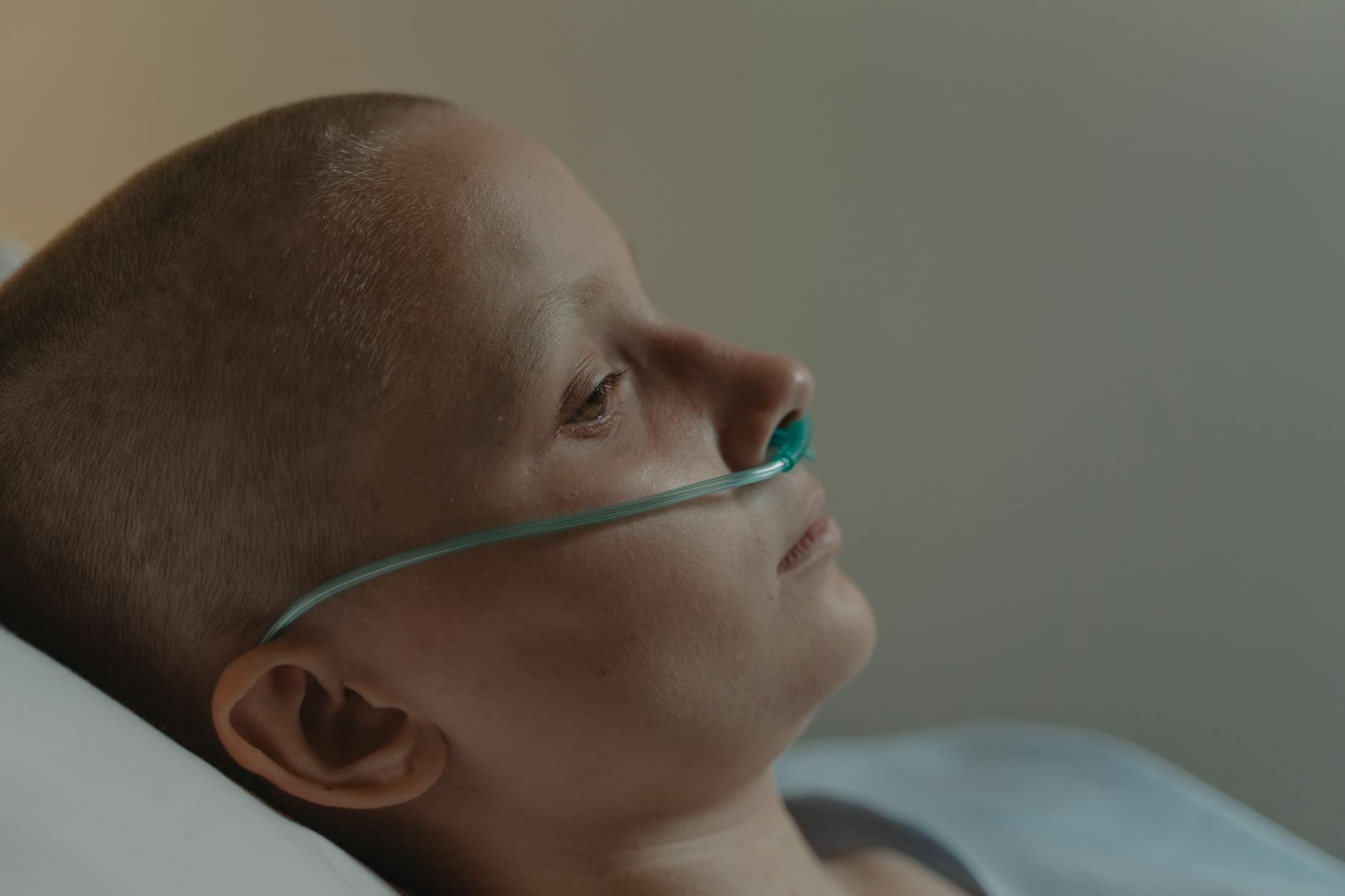
Finding Strength in Everyday Moments
During cancer treatment, individuals often feel overwhelmed by the challenges they face. However, small joys can serve as powerful sources of strength. These moments might include savoring a favorite meal, enjoying a sunny day, or spending time with loved ones. Each of these experiences can provide a brief respite from the difficulties of treatment.
- Favorite Hobbies: Engaging in hobbies such as painting, gardening, or reading can bring a sense of normalcy and joy.
- Nature Walks: Taking short walks in nature allows for moments of reflection and connection with the world around you.
- Mindful Breathing: Practicing mindfulness through breathing exercises can help center thoughts and reduce anxiety.
The Power of Small Joys
Small joys can range from simple pleasures like a warm bath or a favorite song to moments spent with loved ones. These experiences can uplift spirits and provide comfort, making them vital during difficult times. For instance, taking time to enjoy nature, whether through a walk in the park or simply sitting outside, can help ground individuals and remind them of life’s beauty.
Why It Matters
Understanding the role of small joys in coping with cancer is essential. While treatments like chemotherapy can be physically draining, these small moments can offer emotional relief. They help individuals find meaning in their experience, even amidst pain and uncertainty.
Understanding the Journey
Cancer Treatment Explained
Cancer treatment commonly involves surgery, chemotherapy, radiation therapy, or a combination of these approaches. Each treatment comes with its own set of challenges and side effects. For instance, chemotherapy can lead to fatigue, nausea, and emotional distress.
The Emotional Rollercoaster
The emotional journey during cancer treatment often fluctuates dramatically. Patients may experience fear, sadness, anger, and moments of hope or joy. Processing these emotions is crucial for mental health and recovery.
How It Works: The Science Behind Positivity
The Role of Neurotransmitters
Neurotransmitters are chemicals in the brain that transmit messages between nerve cells and play a significant role in mood regulation. Engaging in joyful activities can boost neurotransmitters like serotonin and dopamine, which help improve mood and alleviate feelings of sadness.
Mindfulness and Stress Reduction
Practices like mindfulness meditation help reduce stress by promoting relaxation and focusing on the present moment. This approach can enhance emotional resilience during challenging times.
Creating Your Own Joyful Moments
Simple Practices to Incorporate
Creating joyful moments doesn’t require grand gestures; simple acts can create lasting happiness. Consider these ideas:
- Culinary Adventures: Experimenting with new recipes can be both fun and rewarding.
- Gratitude Journals: Keeping a daily journal of things you are grateful for can shift your focus toward positivity.
- Virtual Gatherings: Organizing online meetups with friends or family can provide emotional support.
The Importance of Routine
Establishing a routine helps maintain normalcy during treatment. Incorporating activities that bring joy into daily life can create anchors for individuals facing uncertainty.
Common Misconceptions About Coping with Cancer
Myth: Positivity is Required for Recovery
While maintaining a positive outlook can be helpful, it is not mandatory for recovery. People experiencing cancer may feel a range of emotions, including sadness and fear, which are entirely valid.
Myth: You Should Always Stay Strong
The notion that one must always be strong can be overwhelming. It’s okay to feel vulnerable or ask for help when needed. Acknowledging one’s struggles is part of the healing process.
Personal Stories of Resilience
Everyday Heroes: Individuals Who Inspired
Anecdotes from those who have faced cancer often highlight the importance of small joys. For example, one survivor found solace in knitting scarves during treatments while creating gifts for others. Another individual described how listening to music transformed their hospital visits into uplifting experiences, helping them face each day with renewed vigor.
Unexpected Sources of Support
Support comes in many forms,through personal connections or community resources. Engaging with others who understand the journey can create a sense of belonging.
Looking Ahead: Building a Supportive Community
The Role of Friends and Family
Friends and family play a crucial role in providing support during cancer treatment. Their presence can make difficult days more bearable through shared activities or simply being there to listen.
Engaging with Support Networks
Connecting with support networks offers additional resources for coping with cancer’s challenges. Whether through local groups or online communities, sharing experiences can foster resilience.
Navigating cancer treatment is undoubtedly challenging; however, finding strength through small joys can make a substantial difference. By embracing these moments,whether through nature walks, supportive friendships, or simple routines,individuals facing cancer can cultivate hope and resilience even in tough times.
Sources
- Small Joys That Gave Us Strength Through Cancer Treatment
- www.worldclassclothing.com
- drbrighten.com
- www.chelseaazarcon.com
- www.med.unc.edu
Articles
- The Controversial History of Lobotomy in Mental Health Treatment
- National Humanities Medal: Recognizing Excellence in Humanities Contributions
- European Maritime Exploration of Australia: A Historical Overview
- East Pakistan: Overview of the Former Province (1956:1971)
- Human Evolution: Understanding the Origins of Homo sapiens
- Human Evolution: The Journey to Anatomically Modern Humans
Days
- (pattern): Day of the Virgin of Suyapa (Honduras)
- January 31: Appreciate Your Social Security Check Day
- Third Wednesday in January: Museum Selfie Day
- January 19: Rescuer's Day (Belarus)
Why do you keep falling for the same type?
Read the article Lovemaps: the hidden blueprint of our love.
Did you not find what you were looking for? Let me help you find more.
