
Why Rock Layers Matter: Practical Insights
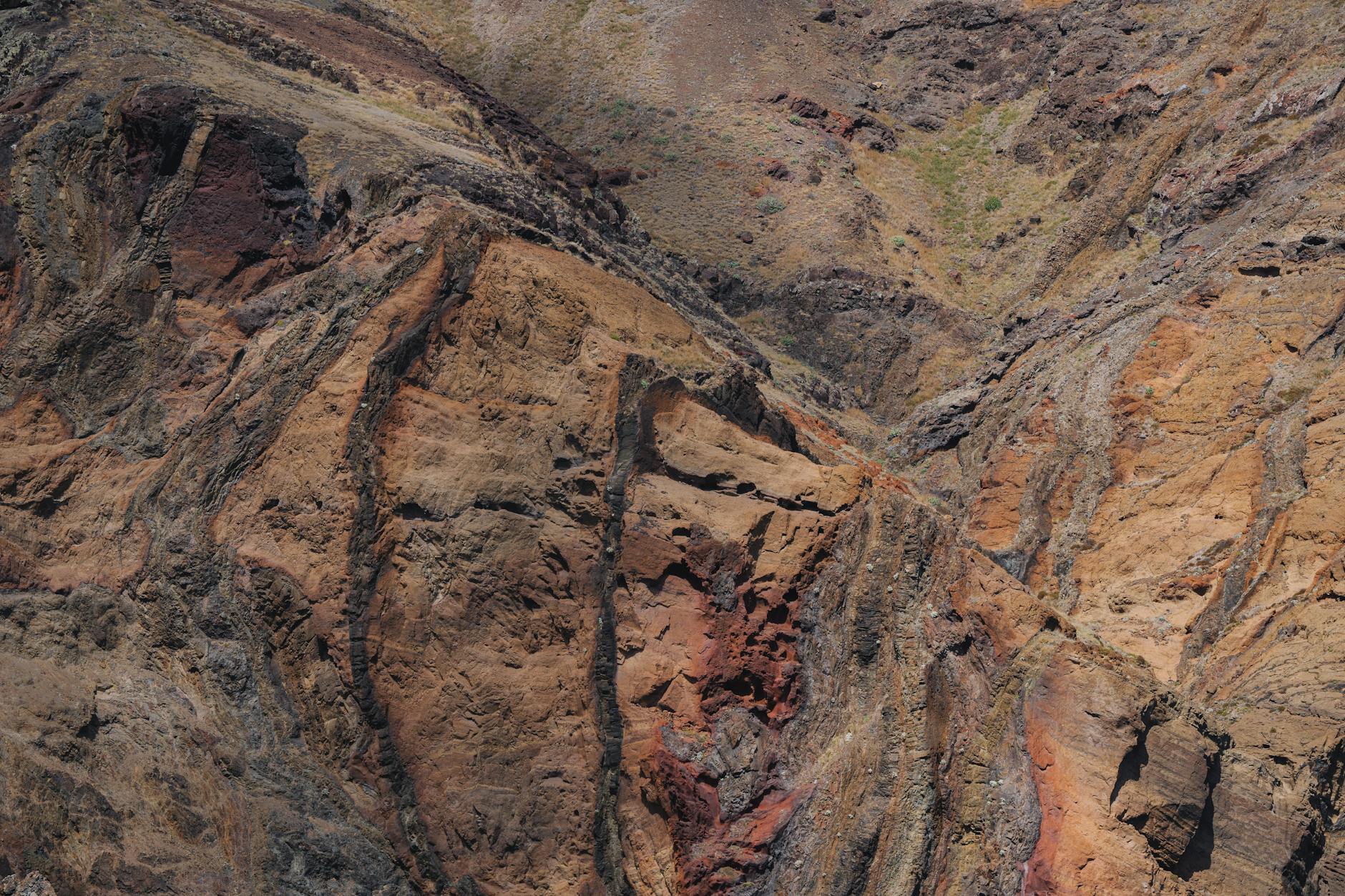
During a weekend hike, a group of friends stumbled upon a rocky outcrop revealing distinct layers of sedimentary rock. They marveled at the colors and textures, sparking a conversation about how these layers formed over time. These layers hold crucial information about Earth’s history.
Stratigraphy is the branch of geology focused on studying rock layers (strata) and their formation. Understanding stratigraphy is important because it helps us learn about Earth’s history, including past climates, geological events, and the evolution of life. This knowledge is vital for various fields such as environmental science, archaeology, and natural resource management.
Everyday Applications of Stratigraphy
Stratigraphy impacts our daily lives more than we might realize. It guides the extraction of natural resources like oil, gas, and minerals by helping geologists identify where these resources are located. For instance, stratigraphic studies can determine optimal drilling locations for oil extraction. In construction, understanding the geological makeup of an area can inform decisions about building foundations and managing groundwater. Stratigraphy also plays a role in environmental assessments, allowing scientists to evaluate contamination levels and devise remediation strategies.From Fossils to Resources: What Layers Reveal
Rock layers are not just colorful displays; they contain fossils that provide insights into past life on Earth. These fossils help scientists understand evolutionary processes and how species adapted to changing environments. For example, finding dinosaur bones in a specific layer indicates that those creatures existed during that time period. The layers also reveal valuable information about past climates. By analyzing the composition of sedimentary rocks, geologists can infer whether an area was once covered by oceans or was part of a desert landscape.The Building Blocks of Earth: What Are Rock Layers?
Defining Stratigraphy
Stratigraphy focuses on understanding rock layers (strata) and layering (stratification). It primarily deals with sedimentary and layered volcanic rocks. This field includes three key subfields: lithostratigraphy (studying physical rock types), biostratigraphy (analyzing fossil content), and chronostratigraphy (dating rock layers). Several principles guide stratigraphic studies. The Law of Superposition states that in an undeformed sequence, the oldest layers are at the bottom. The Principle of Original Horizontality suggests that sediments are deposited in horizontal layers, while Cross-Cutting Relationships indicate that any geological feature that cuts through another is younger than the material it disrupts.The Composition of Rock Layers
Rock layers vary significantly in composition due to differences in lithology, which refers to the physical characteristics of rocks. These variations can manifest vertically as distinct bedding or laterally as changes in rock type across an area. Lithostratigraphy maps these variations, providing insights into the environments where the rocks formed. For example, limestone may indicate a marine environment, while sandstone could suggest a desert or river setting. Analyzing these changes helps geologists reconstruct past environments and understand how they evolved over time.How It Works: The Science Behind Rock Formation
Processes That Shape the Earth
Various geological processes shape rock layers over time. Erosion wears down existing rocks while sedimentation deposits new material in layers. Tectonic activity can also cause folding or faulting, altering existing strata. Weathering breaks down rocks into smaller particles, which can be transported by wind or water to form new sedimentary layers elsewhere. Each layer reflects its unique history and the conditions at the time it was formed.The Role of Time in Layer Formation
Time plays a crucial role in stratigraphic studies. The longer sediments accumulate without disturbance, the thicker and more complex the layers become. Geologists use radiometric dating to establish absolute ages for different strata, creating a timeline of Earth’s geological history. A stratigraphic hiatus, or gap in the geological record, can occur when deposition stops due to erosion or other factors. Understanding these gaps is vital for accurately reconstructing Earth’s timeline.Deciphering the Past: Reading Rock Layers
Fossils as Time Markers
Fossils embedded within rock layers serve as important chronological markers for dating strata. Biostratigraphy relies on fossil evidence to correlate rock formations across vast distances, allowing scientists to piece together Earth’s biological history. For instance, finding similar fossil types in different locations can indicate that those areas were once part of the same ecosystem during a specific geological period.Understanding Geological Events Through Layers
Stratigraphic analysis reveals information about significant geological events such as volcanic eruptions or mass extinctions. Each event leaves specific signatures within rock layers that geologists can identify. By studying these signatures and their distribution across different strata, scientists can reconstruct past environmental conditions and understand how Earth has changed over millions of years.Common Myths About Stratigraphy
Myth 1: All Layers Are Created Equal
Not all rock layers are equal; some may contain more fossils or minerals than others due to varying depositional environments. This leads to misconceptions about their significance in geological studies. Geologists must analyze each layer’s unique characteristics to interpret its history accurately.Myth 2: Fossils Only Exist in Certain Rocks
Another common myth is that fossils are only found in specific types of rocks. While sedimentary rocks are most conducive to fossil preservation due to their formation process, fossils can also occur in some igneous or metamorphic rocks under certain conditions. Understanding this fact broadens our perspective on where we might find evidence of past life on Earth.The Future of Stratigraphy: Innovations and Technologies
Advancements in Geological Mapping
Stratigraphy continues to evolve with technological advancements like Geographic Information Systems (GIS) and remote sensing techniques. These tools enable geologists to create detailed maps and analyze large datasets more efficiently than ever before. Such innovations improve our understanding of complex geological formations and enhance resource management practices.The Impact of Climate Change on Stratigraphic Studies
Climate change has significant implications for stratigraphic research. As environmental conditions shift rapidly today, studying historical stratigraphic records helps scientists predict future changes and understand potential impacts on ecosystems. By examining past climate patterns recorded in rock layers, researchers gain insights into how current changes might unfold.Connecting the Dots: The Importance of Interdisciplinary Studies
Collaboration Between Geologists and Other Scientists
Stratigraphy is inherently interdisciplinary; geologists often collaborate with paleontologists, climatologists, and environmental scientists to gain comprehensive insights into Earth’s systems. This collaboration enhances our understanding of complex interactions among different scientific fields. For instance, studying fossil records alongside climate data allows researchers to draw connections between biological evolution and environmental shifts.The Role of Stratigraphy in Environmental Science
Stratigraphy plays a critical role in environmental science by helping assess contamination levels in soil and groundwater. By analyzing stratified deposits near industrial sites or landfills, scientists can trace pollution sources and develop remediation strategies. In summary, stratigraphy provides essential knowledge about Earth’s history while informing practical applications across various fields from natural resource management to environmental protection.Sources
- Stratigraphy – Wikipedia
- en.wiktionary.org
- geologyscience.com
- www.southalabama.edu
- www.nps.gov
- www.britannica.com
- books.google.com
- www.sepmstrata.org
- books.google.com
- books.google.com
- books.google.com
Why do you keep falling for the same type?
Read the article Lovemaps: the hidden blueprint of our love.
Did you not find what you were looking for? Let me help you find more.
