
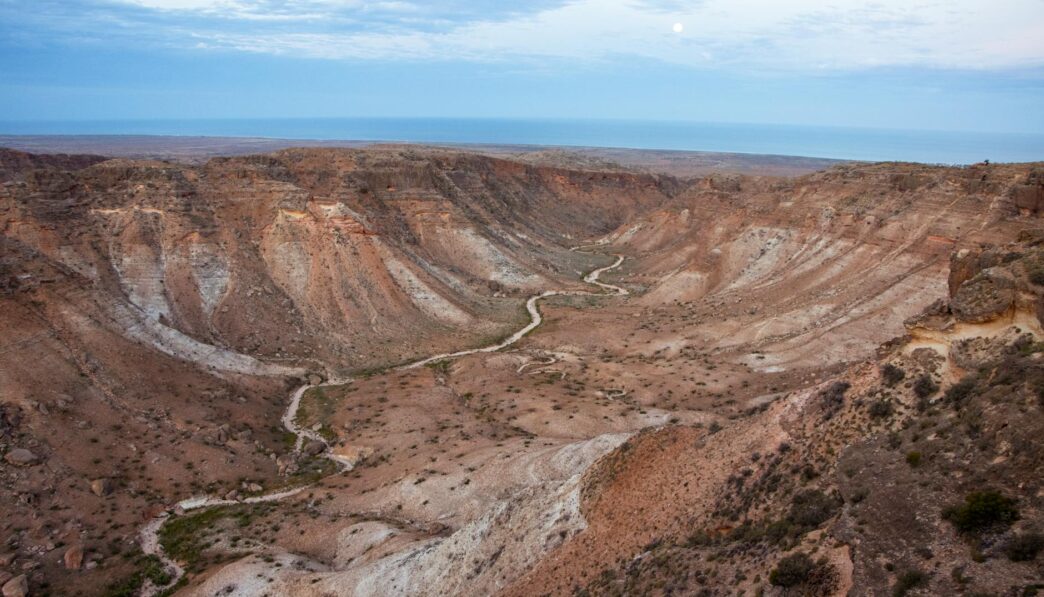
Giant-Impact Hypothesis: How the Moon Formed from Earth’s Collision
Explore the giant-impact hypothesis explaining how the Moon formed from a colossal collision between Earth and a Mars-sized body named Theia 4.5 billion years ago.
Explore the giant-impact hypothesis explaining how the Moon formed from a colossal collision between Earth and a Mars-sized body named Theia 4.5 billion years ago.

Explore the Paleozoic Era, Earth’s first major geological period, highlighting key evolutionary milestones and mass extinction events shaping life today.
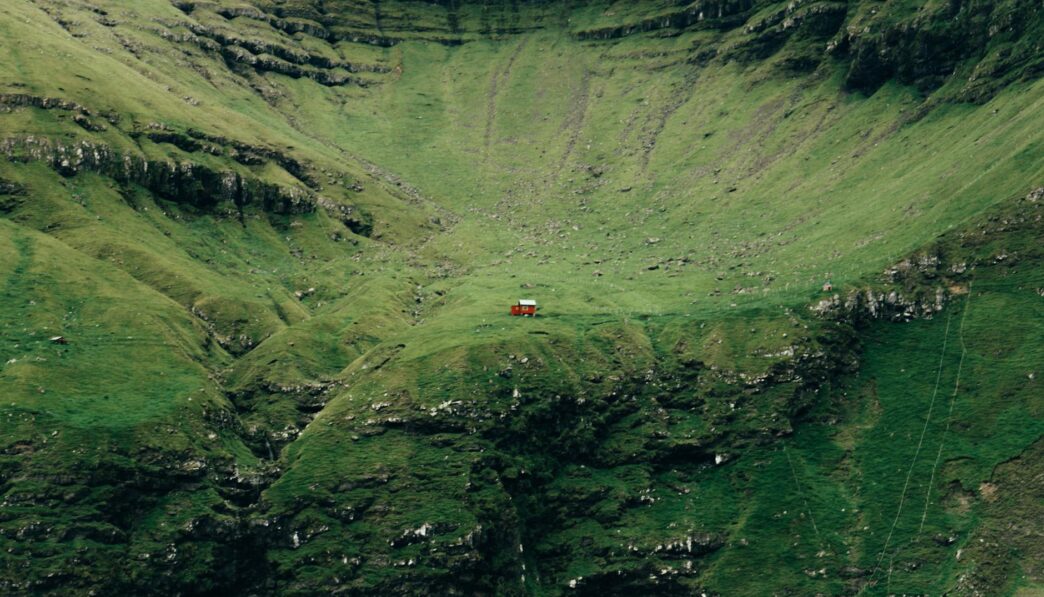
Explore Greenland’s unique autonomous status within Denmark, its governance, daily life, natural wonders, and future opportunities and challenges.
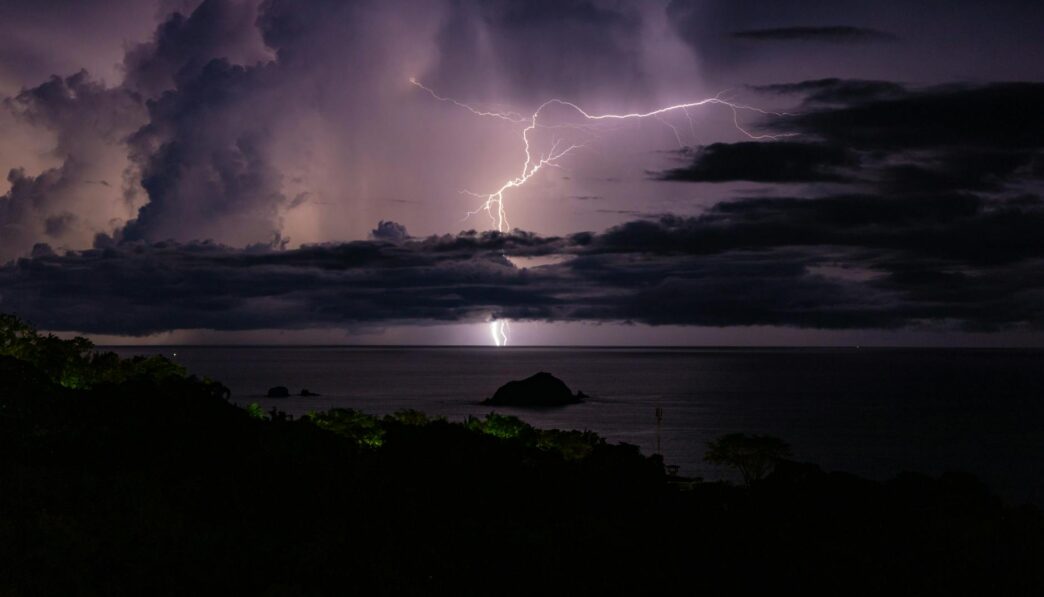
Volatiles are elements and compounds that vaporize easily and shape planetary geology, influencing volcanic activity and atmospheres on planets and moons.

Explore the vital roles of bacteria in ecosystems, human health, and food production. Understand their life mechanisms and debunk common myths about these microorganisms.

Explore the formation and development of Early Earth during its first billion years, revealing the origins of life and planetary evolution.

Detritus in geology refers to rock particles formed by weathering and erosion that shape landscapes and ecosystems through transport and deposition.
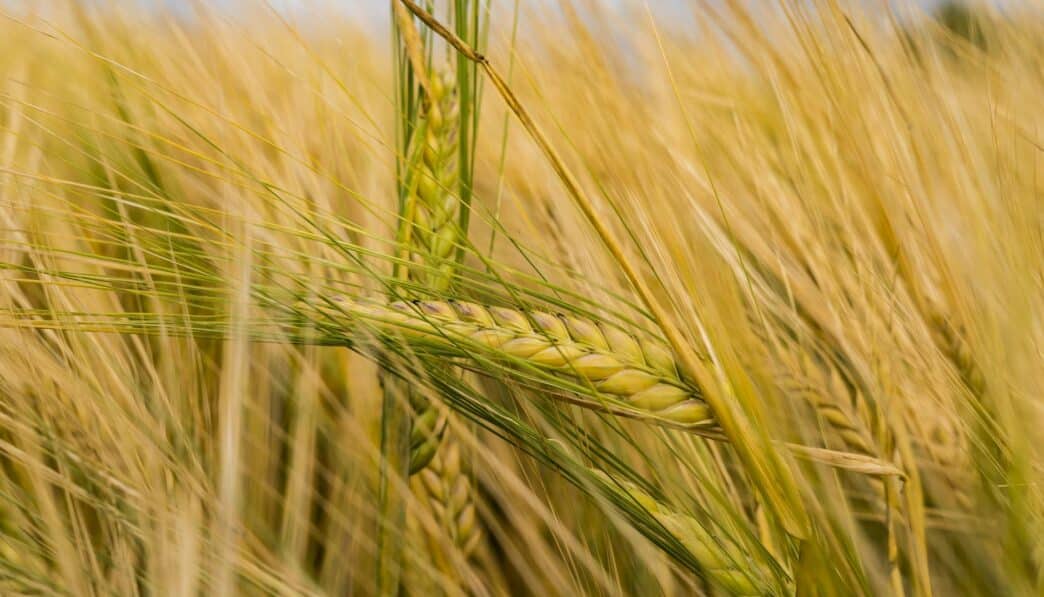
Barley is a versatile cereal grain with ancient origins, used in food, animal feed, and brewing. It thrives in diverse climates and supports sustainable farming.

Discover Earth’s unique position as the third planet from the Sun and explore its key characteristics that sustain life and shape our environment.

Explore future timelines highlighting key technological advancements and societal changes shaping our world and daily life in the years ahead.
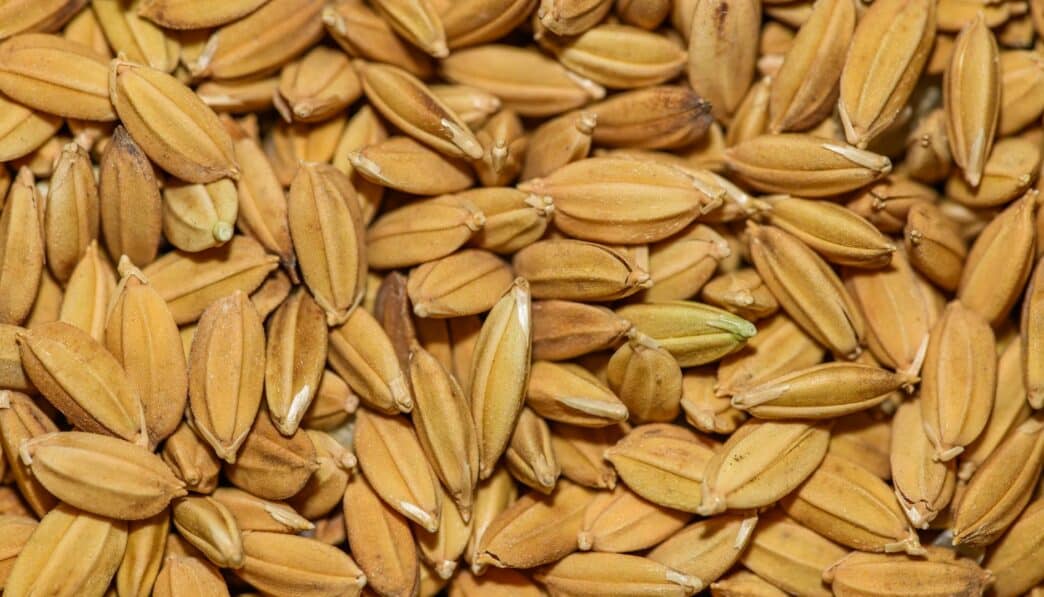
Cereal grains like rice, wheat, and corn are vital staple foods worldwide, providing essential nutrients and supporting global agriculture and diets.
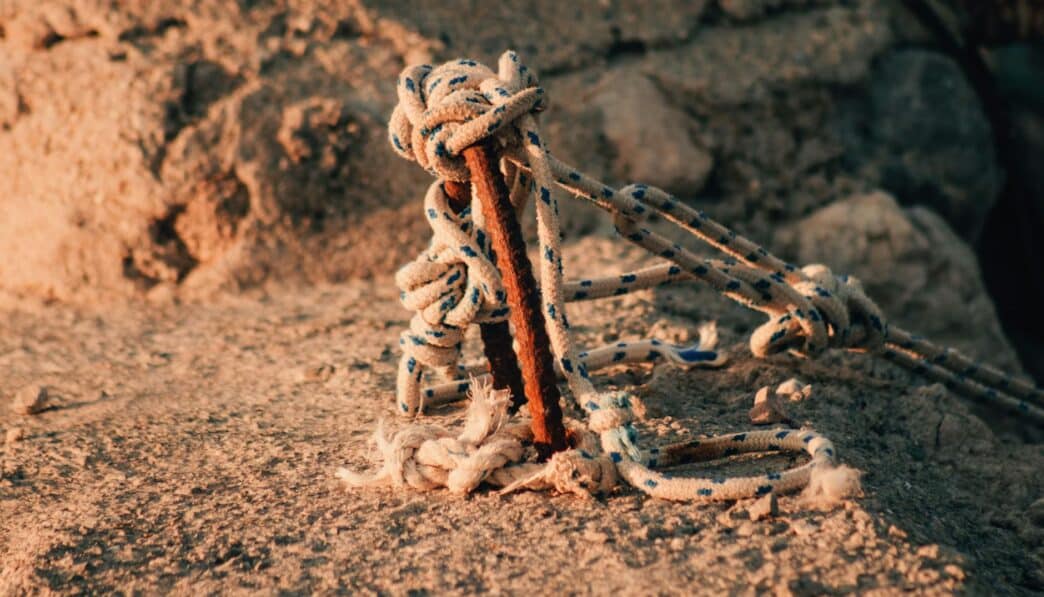
Explore the Stone Age, its tools, culture, and early human life, revealing how our ancestors survived and evolved over millions of years.
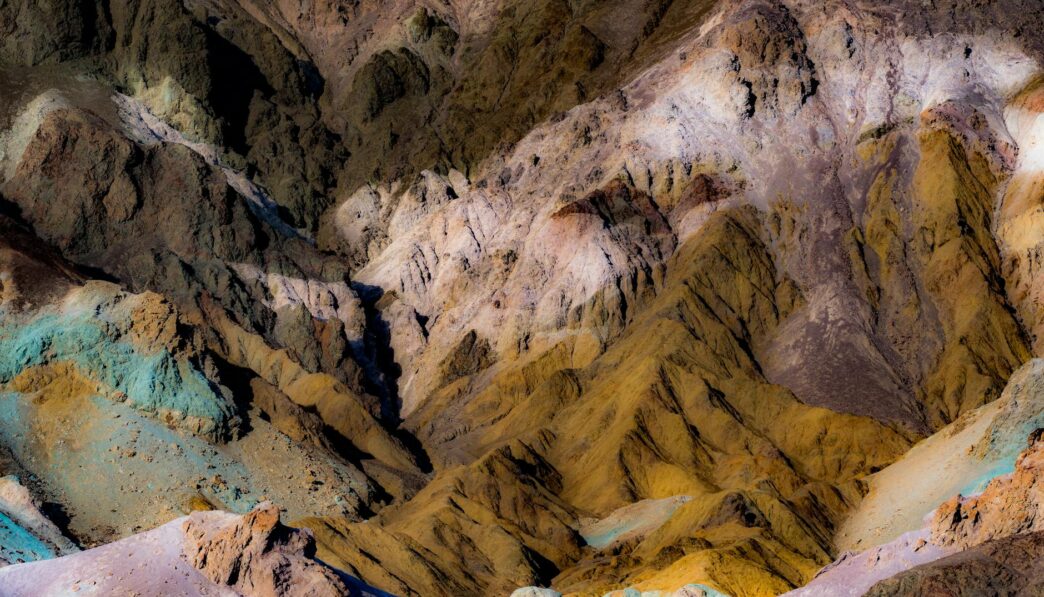
Explore the Archean Eon, a key geological era from 4031 to 2500 million years ago, marking Earth’s early crust formation and emergence of primitive life.

Explore the rich prehistory of Australia, tracing human habitation from 65,000 years ago to 1788 and the enduring legacy of Aboriginal cultures.

Explore the Eoarchean Era, Earth’s first Archean period, revealing early crust formation and the origins of life about 4 billion years ago.

The Andes Mountains span seven South American countries, offering unique ecosystems, rich culture, and diverse outdoor activities like hiking and skiing.

Explore Canada’s vast landscapes, diverse cultures, and key features that make it a unique North American country with rich ecosystems and vibrant communities.
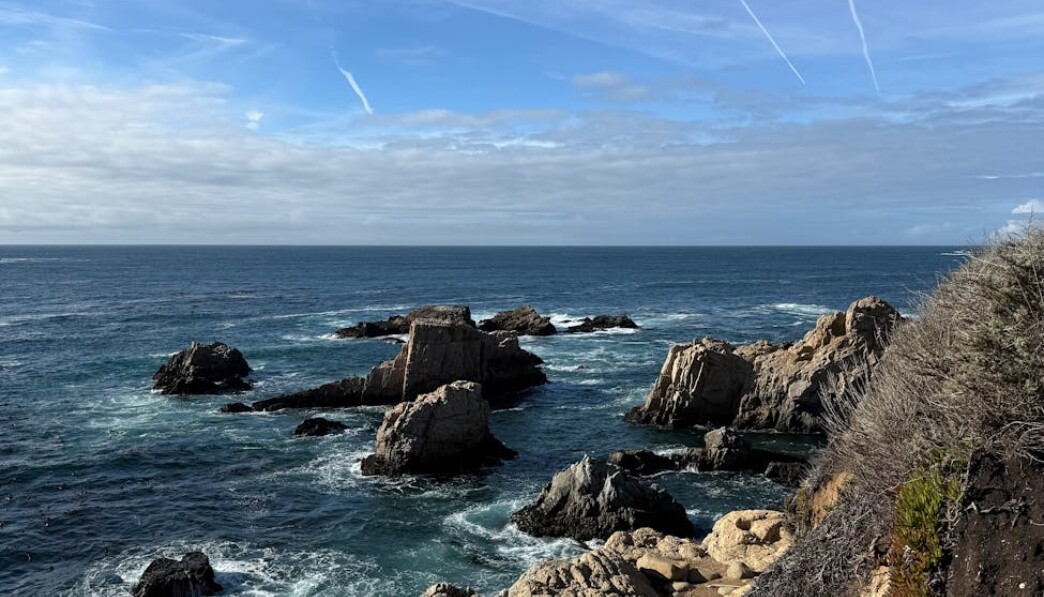
Explore the Hadean Eon, Earth’s earliest geological period marked by extreme conditions and the formation of the planet’s crust and atmosphere.
Explore Rodinia, the ancient Neoproterozoic supercontinent, its formation, breakup, and impact on Earth’s geological history and climate evolution.

Explore the oldest dated rocks on Earth and uncover insights into our planet’s 4 billion-year history, including early conditions and formation processes.