

Understanding Species: The Basic Unit of Biological Classification
Explore the importance of species as the fundamental unit of biological classification and their vital role in ecosystems, food, medicine, and climate.
Explore the importance of species as the fundamental unit of biological classification and their vital role in ecosystems, food, medicine, and climate.

Explore the Paleolithic Era, the Old Stone Age marked by early human tool use, social structures, and adaptation to diverse environments.

Explore how volcanoes form, erupt, and impact our planet’s landscapes and climate. Understand their locations and the science behind their powerful eruptions.

Explore the oceanic crust’s composition, formation, and vital role in Earth’s geology and marine ecosystems beneath the ocean floor.

Explore the Mesozoic Era, Earth’s Age of Reptiles and Dinosaurs, highlighting key periods, fossil formation, and the rise of mammals and birds.
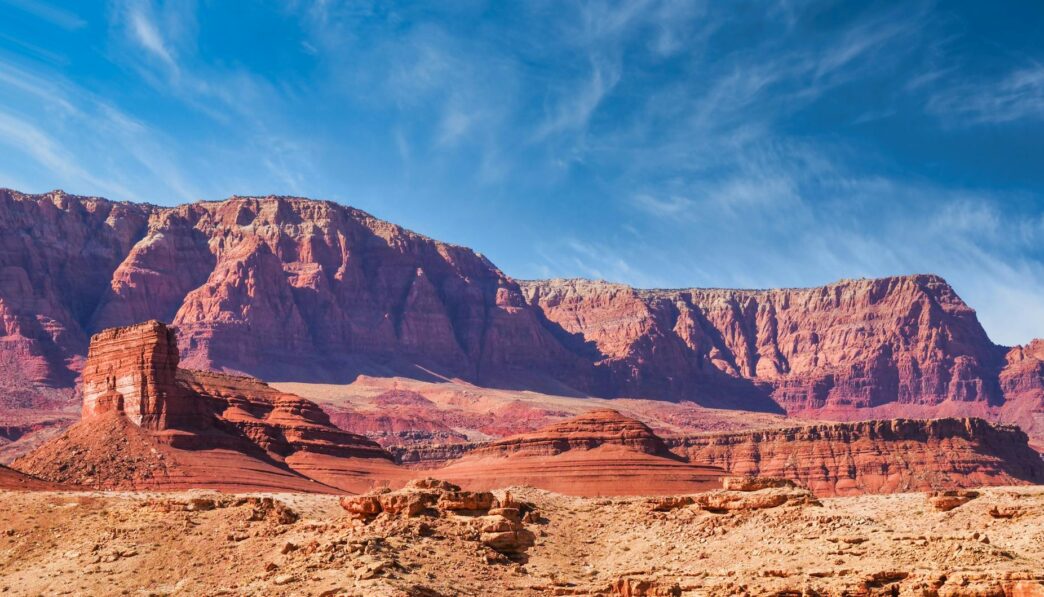
Cratons are ancient, stable parts of Earth’s continental lithosphere, offering insights into geological history and natural resources across continents.
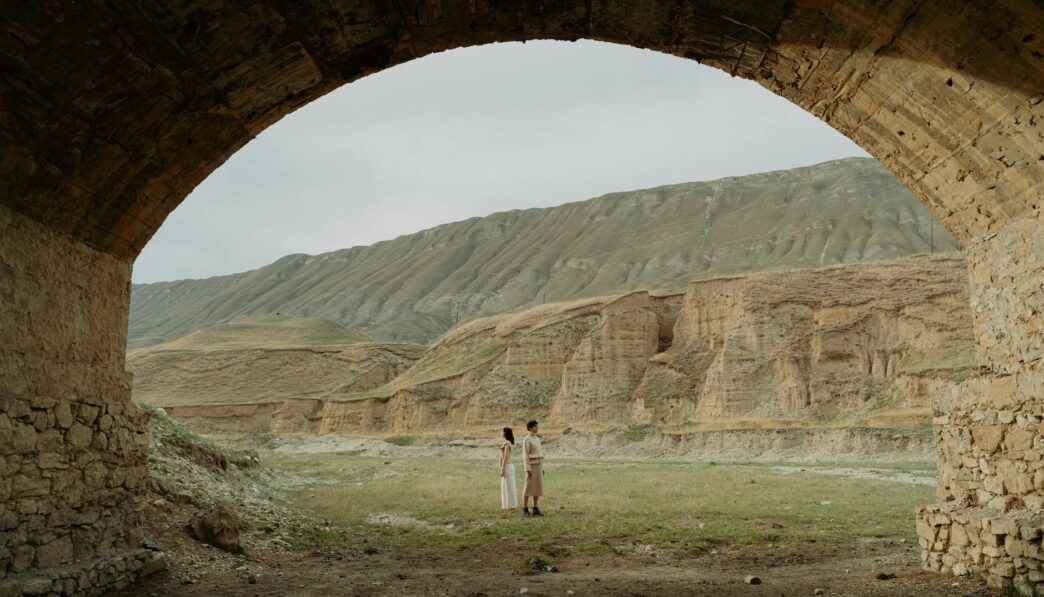
Explore Pangaea, Earth’s ancient supercontinent that shaped continents, climate, and biodiversity through its formation and breakup millions of years ago.

Explore the fascinating world of exoplanets, their discovery methods, types, and the impact of their research on science and the search for extraterrestrial life.

Explore the Great Oxidation Event, when oxygen first rose in Earth’s atmosphere, transforming life and climate over 2 billion years ago.
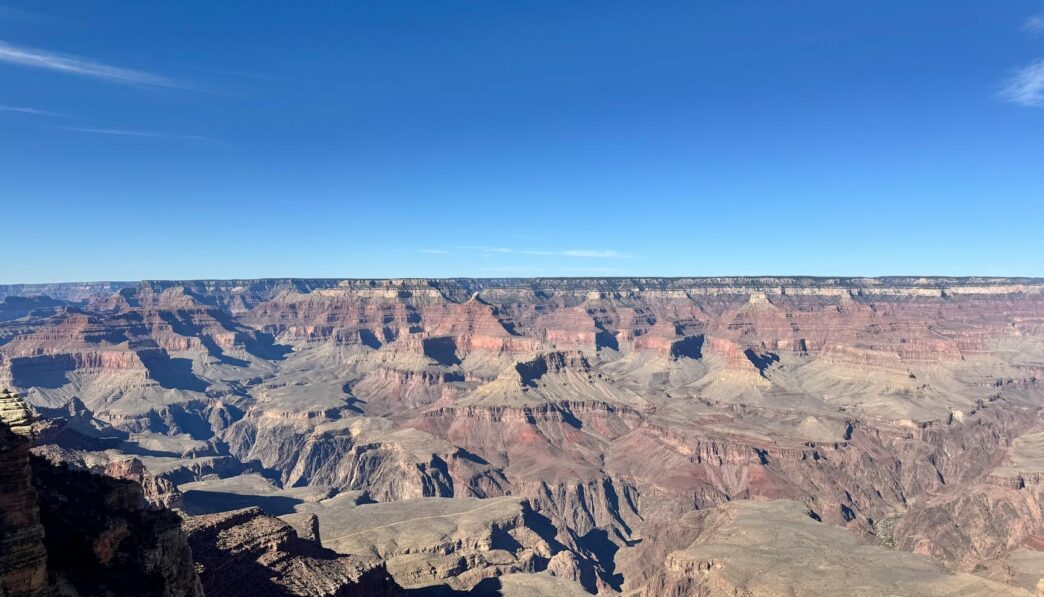
Explore Earth’s geological history, key events, and timeline to understand our planet’s evolution and its impact on climate and life.

Explore the faint young Sun paradox and how early Earth maintained liquid water despite a dimmer Sun, revealing clues about life’s origins.

Discover the geographic origins of domesticated plants and how Vavilov centers reveal the history and genetic diversity behind our food crops.

Explore the fascinating moons orbiting planets in our Solar System and their vital roles in planetary dynamics, climate, and potential for life.

Explore the formation and types of metasedimentary rocks, their geological significance, and their role in Earth’s history and modern applications.

Explore the prehistoric human occupation of Great Britain, revealing ancient settlements, tools, and survival strategies that shaped early communities.

Methane is a vital hydrocarbon impacting climate and energy. Learn its properties, uses, and role in the environment and industry.

Explore early hominin migrations out of Africa and their impact on human evolution, diversity, and adaptation across continents over millions of years.

Discover how the ozone layer protects Earth by absorbing harmful UV radiation, safeguarding health and the environment from solar damage.
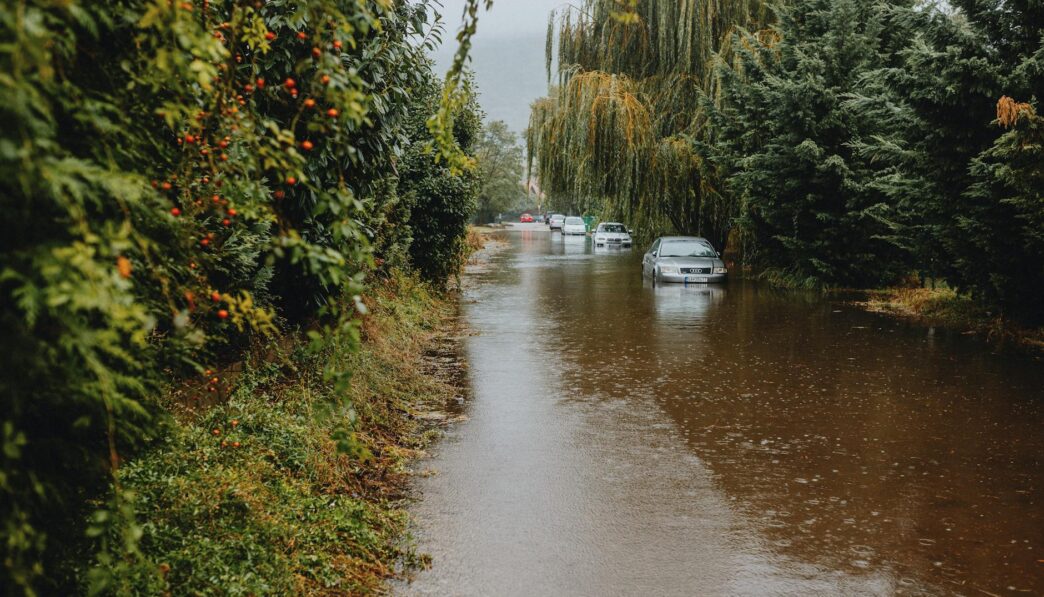
Explore the causes and effects of environmental degradation on nature, biodiversity, water resources, and communities, highlighting urgent global challenges.
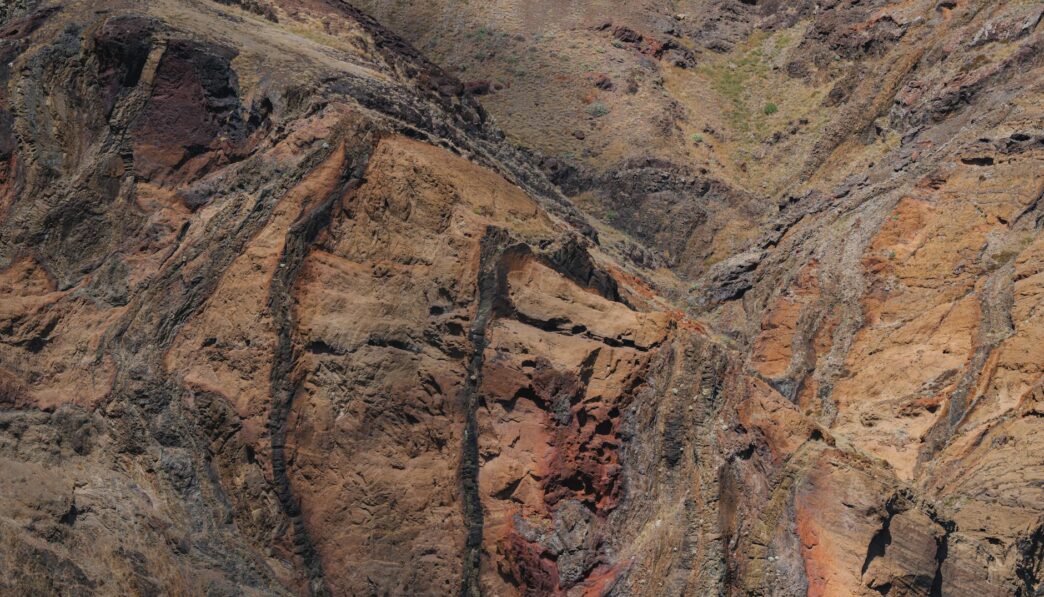
Explore how stratigraphy reveals Earth’s history through rock layers, fossils, and geological processes, impacting fields from resource management to environmental science.