

Understanding Secondary Sources in Research and Scholarship
Secondary sources analyze and interpret primary data, essential for research and scholarship. They help bridge knowledge gaps and provide valuable context for various fields.
Secondary sources analyze and interpret primary data, essential for research and scholarship. They help bridge knowledge gaps and provide valuable context for various fields.

Explore Xenophon’s legacy as a Greek philosopher, historian, and military leader whose timeless insights on leadership and strategy remain relevant today.
Explore cognitive psychology and how it reveals the science behind thinking, memory, learning, and decision-making to improve everyday life and education.

Explore Angola’s rich history from ancient civilizations through colonial times to post-war recovery and development.

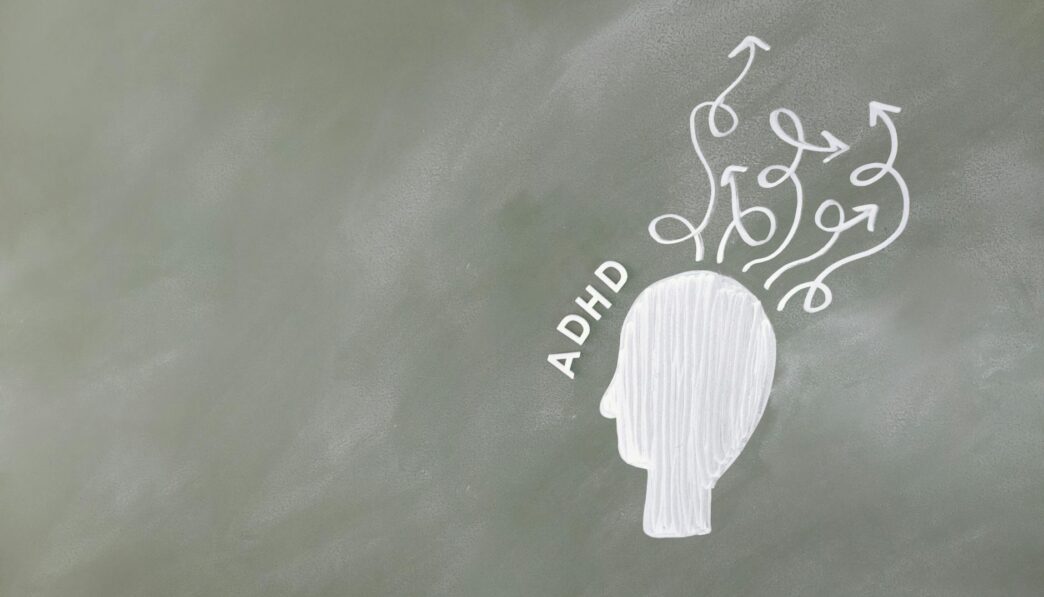
Explore the definition, history, and traits of neurotypical individuals to foster understanding and inclusivity in social, educational, and workplace settings.

Explore the risks, addiction potential, and treatment options related to THC oil use, including health effects and signs to watch for.

Explore essential terms and concepts in history studies to understand how the past shapes our present and future perspectives and decisions.
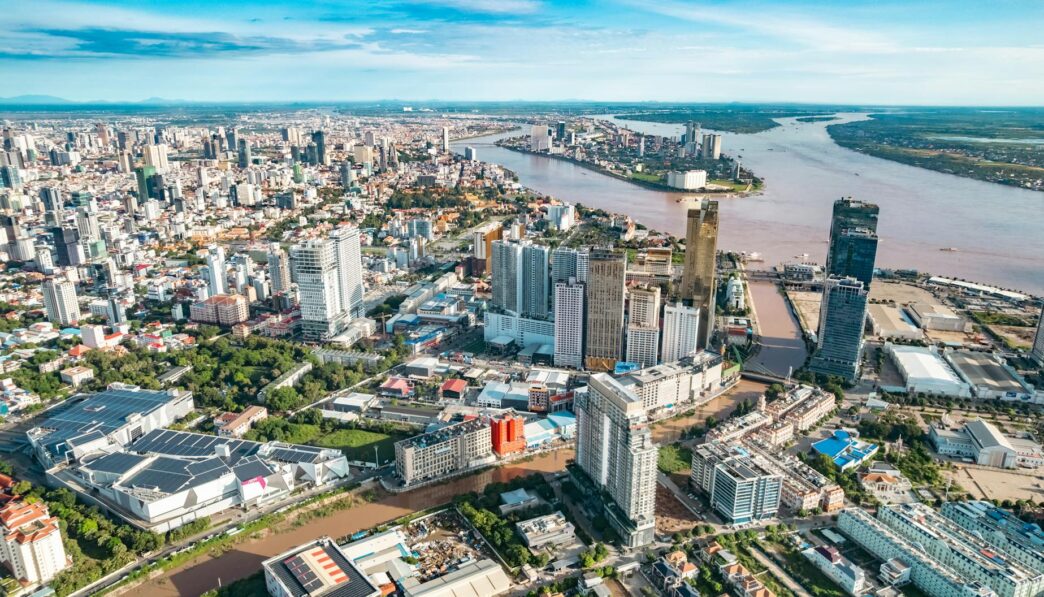
Explore Cambodia’s rich history from ancient civilizations to modern challenges, highlighting cultural resilience, key events, and social dynamics shaping the nation today.

Explore the modern era, a historical period starting around 1500, and discover how past events shape today’s society, politics, and culture.

Learn how to challenge racism daily by being an active ally, building supportive communities, and understanding the science behind biases to promote equality.

Explore ways to understand and heal negative body image feelings, improving self-esteem and emotional well-being through mindfulness and self-compassion.

Explore anthropology’s role in understanding human cultures, societies, and practical applications in health, business, and education today.

Explore linguistics, the scientific study of language, its components, and how it shapes communication, culture, and society.
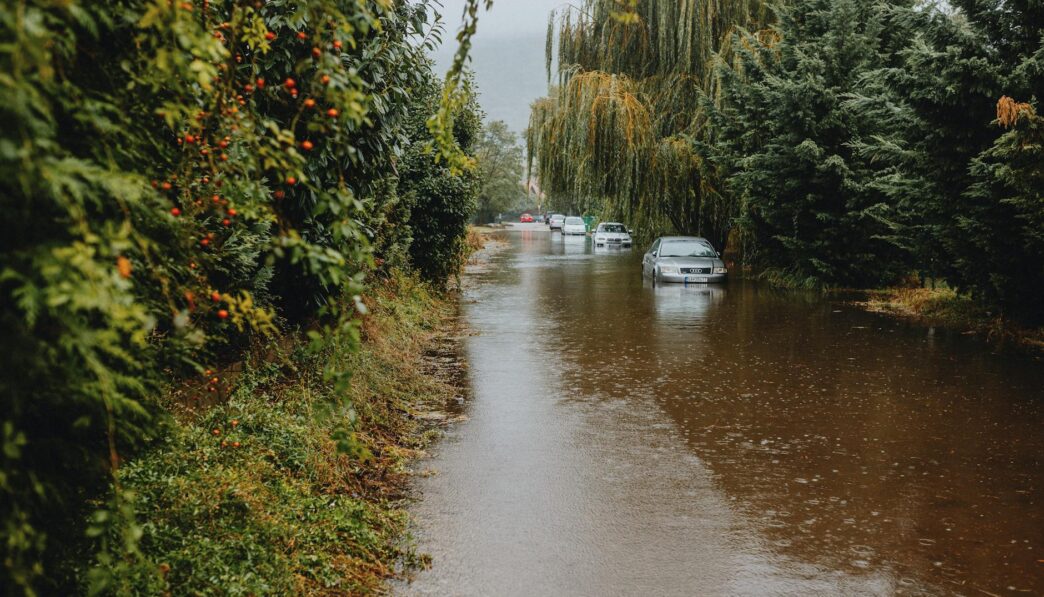
Explore the causes and effects of environmental degradation on nature, biodiversity, water resources, and communities, highlighting urgent global challenges.

Explore Bangladesh’s rich history from ancient settlements to modern progress, highlighting key events, cultural evolution, and economic growth.

Explore Confucianism, the ancient Chinese ethical system emphasizing moral integrity, social harmony, and key relationships shaping East Asian culture and society.

Explore Giorgio Vasari’s legacy as a Renaissance painter, architect, and art historian who shaped Western art history and Italian architecture.

Explore how genetics and environment together influence child development and growth, shaping physical traits and personality.

Explore Charles Darwin’s life, his groundbreaking theories on evolution, and their lasting impact on science, medicine, and our understanding of life.

Explore historiography to understand how historians interpret past events using various methods and perspectives, shaping our view of history and current issues.