
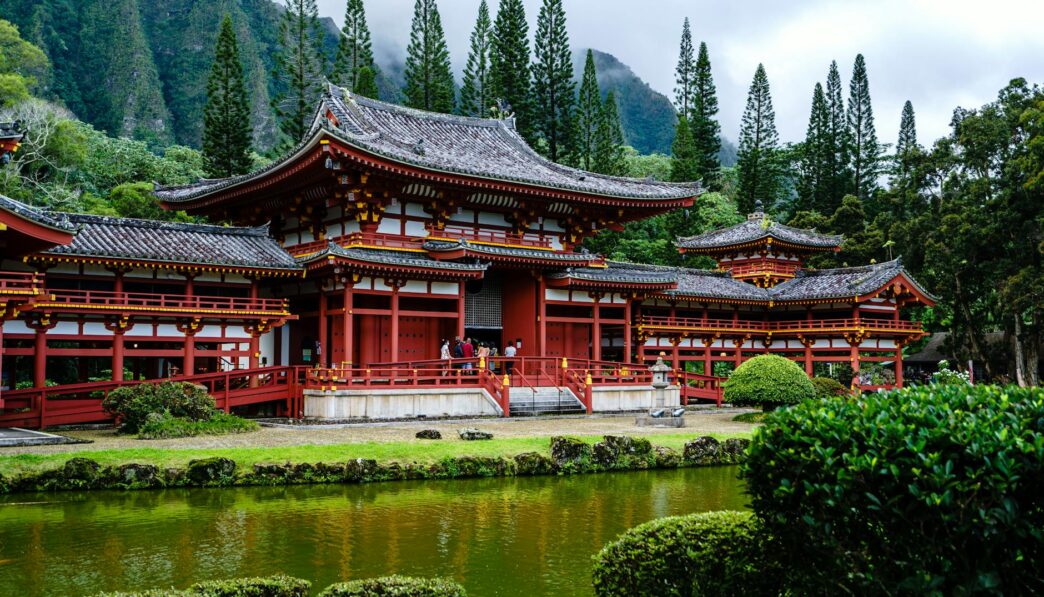
History of Human Settlement in the Pacific Islands
Explore the rich history of human settlement in the Pacific Islands, from ancient navigation to cultural diversity and migration patterns shaping island life.
Explore the rich history of human settlement in the Pacific Islands, from ancient navigation to cultural diversity and migration patterns shaping island life.

Explore how decision-making strategies shape our daily choices and impact personal and professional life through psychology insights.
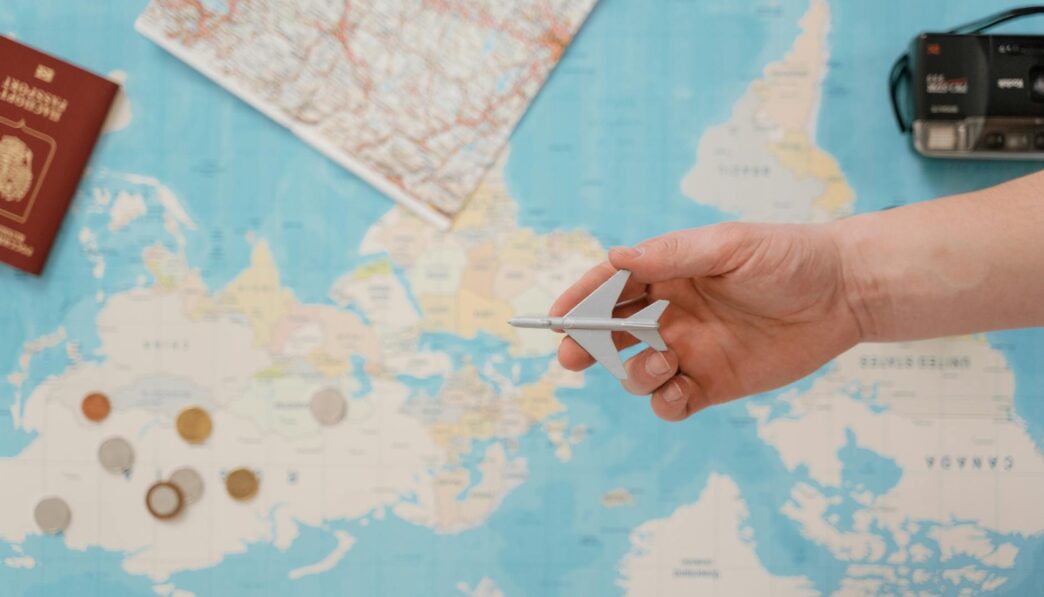
Explore how globalization connects economies and cultures worldwide, driving growth and challenges in today’s interconnected society.
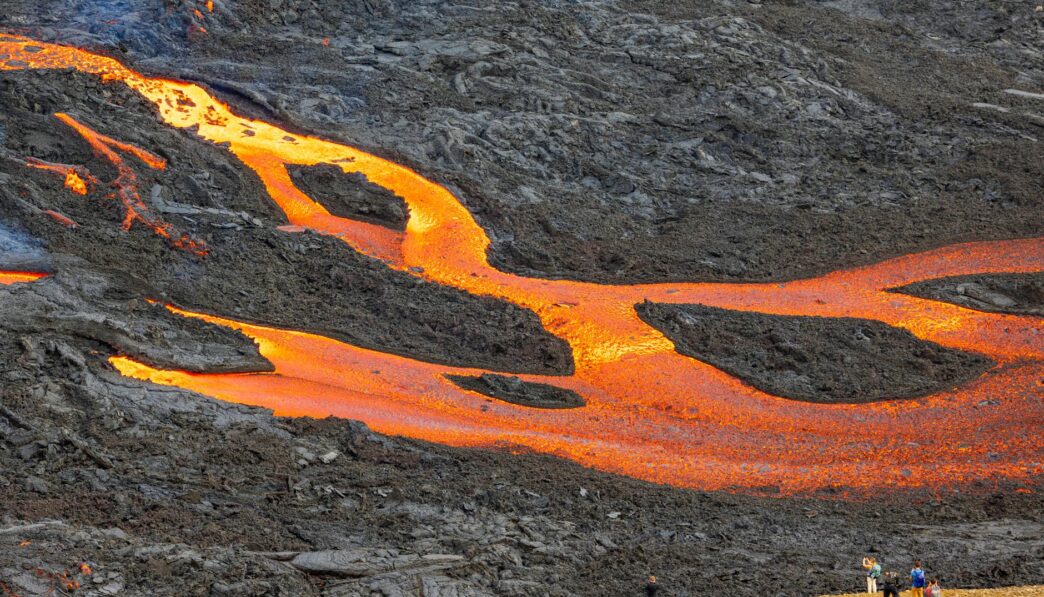
Basalt is a common volcanic rock formed from cooled lava, essential in construction and natural landscapes, revealing Earth’s geological processes.

Explore shamanism’s practices, beliefs, and its cultural significance across the world, highlighting healing, rituals, and spiritual connections.

Explore the Age of Sail, a pivotal era of maritime trade, naval warfare, and global exploration that shaped economies and cultures worldwide.

Explore the Cenozoic Era, Earth’s current geological period marked by mammal dominance and major climate changes shaping today’s ecosystems.

Explore the history of Antarctica from early theories to heroic explorations and modern scientific discoveries beneath the ice sheets.

Explore the essential role of DNA, its structure, function, and impact on genetics, medicine, and future scientific advancements in this comprehensive guide.
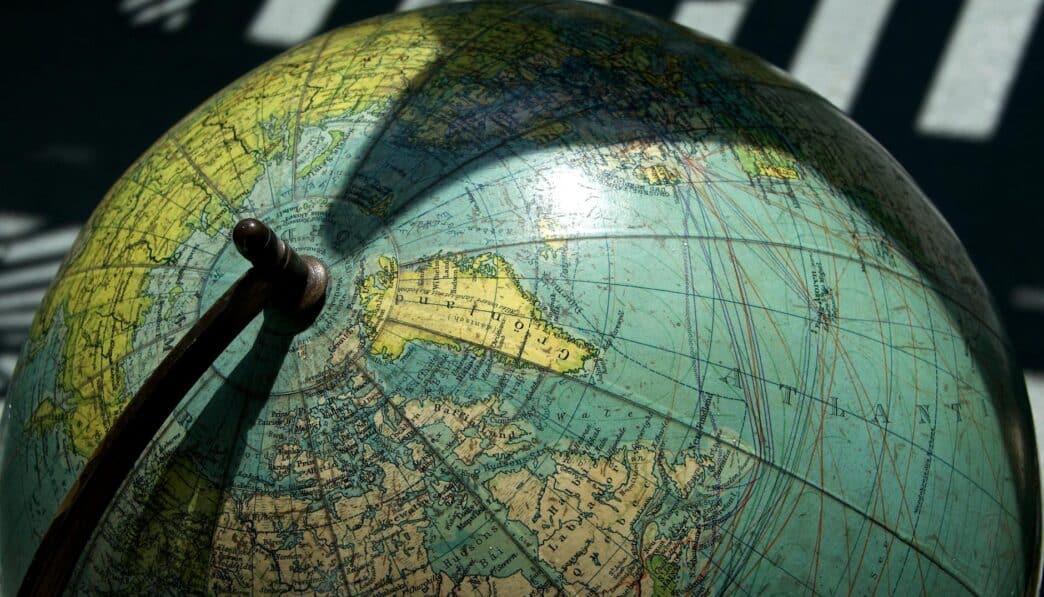
Explore the Pleistocene Epoch, Earth’s last Ice Age, marked by glaciations that shaped landscapes and influenced species evolution including humans.

Explore key events and technological advances from 1945 to today that have shaped our modern world and daily life.

Discover Ascension Island’s geography, history, unique ecosystems, and its role in scientific research and conservation efforts in the South Atlantic Ocean.
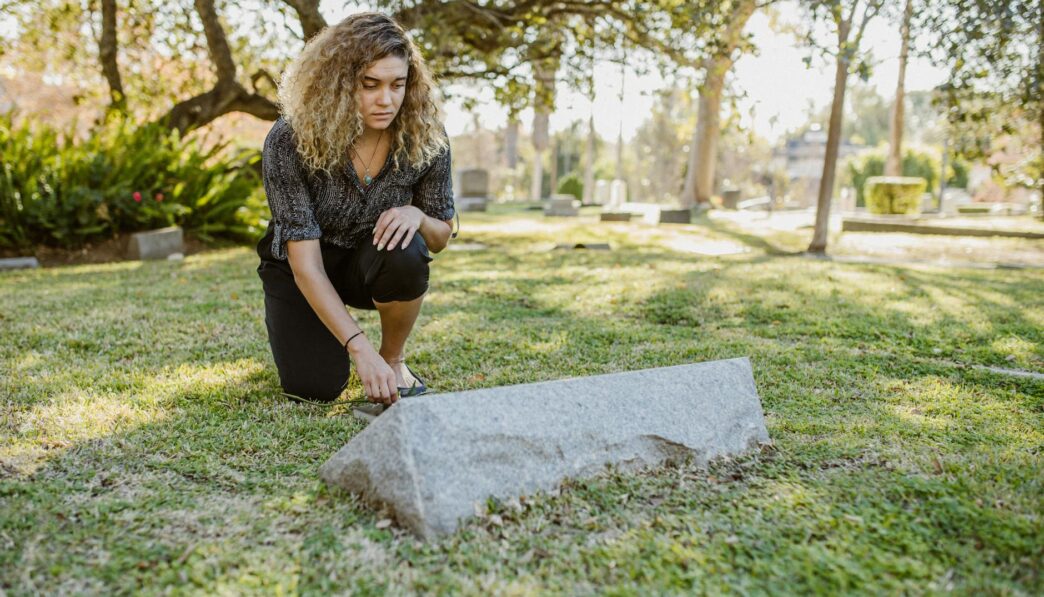
Explore the key characteristics of civilizations and learn from historical examples like Rome and Greece to understand their impact on society and culture.
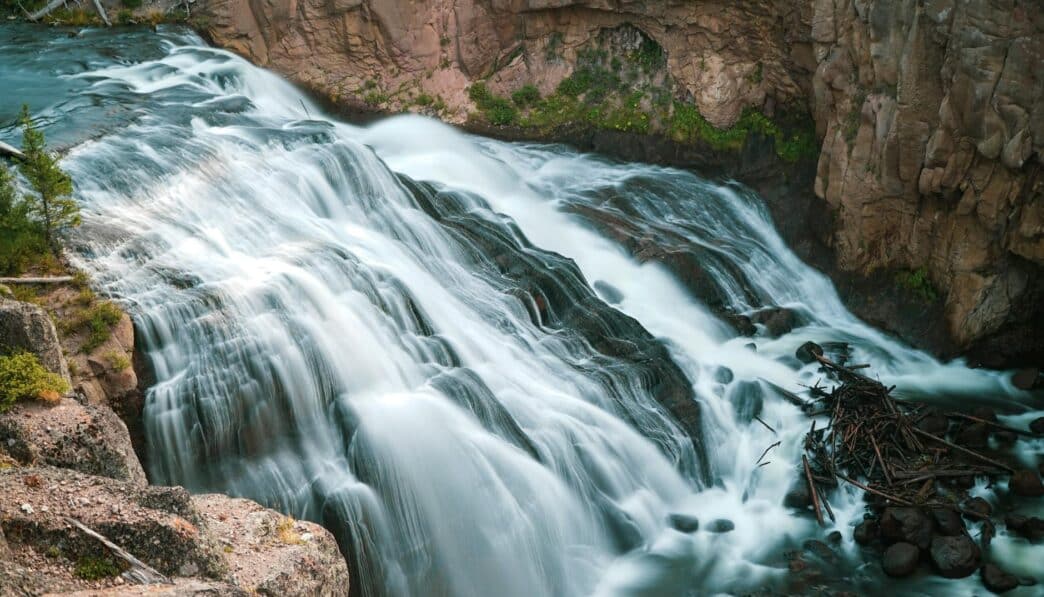
Explore the Holocene Epoch, our current geological era marked by climate stability and human progress, shaping the environment and future challenges.
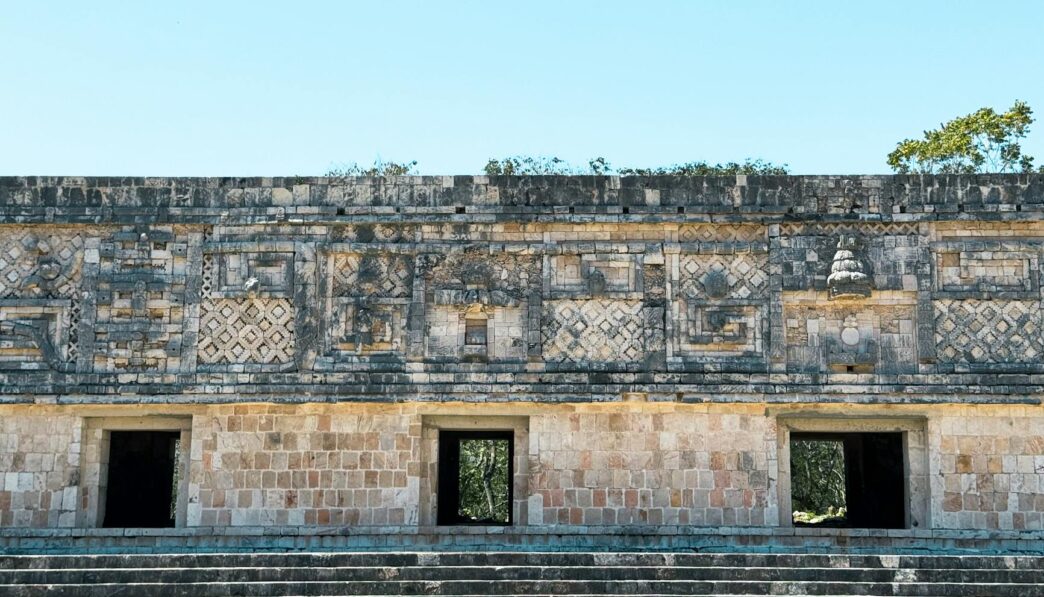
Explore the Chicxulub crater in Mexico’s Yucatán, the prehistoric asteroid impact site linked to mass extinction and crucial scientific discoveries.

Explore the concept of multicellular organisms, their characteristics, and examples from plants and animals that illustrate the complexity of life.

Explore how subduction shapes Earth’s surface, triggers earthquakes, and forms mountains, highlighting its importance in geology and disaster preparedness.

Explore China’s rich history from prehistoric times through imperial dynasties to the modern era, highlighting cultural and technological innovations.

Prokaryotes are unicellular organisms without membrane-bound nuclei, vital in ecosystems, medicine, and biotechnology with unique structures and functions.
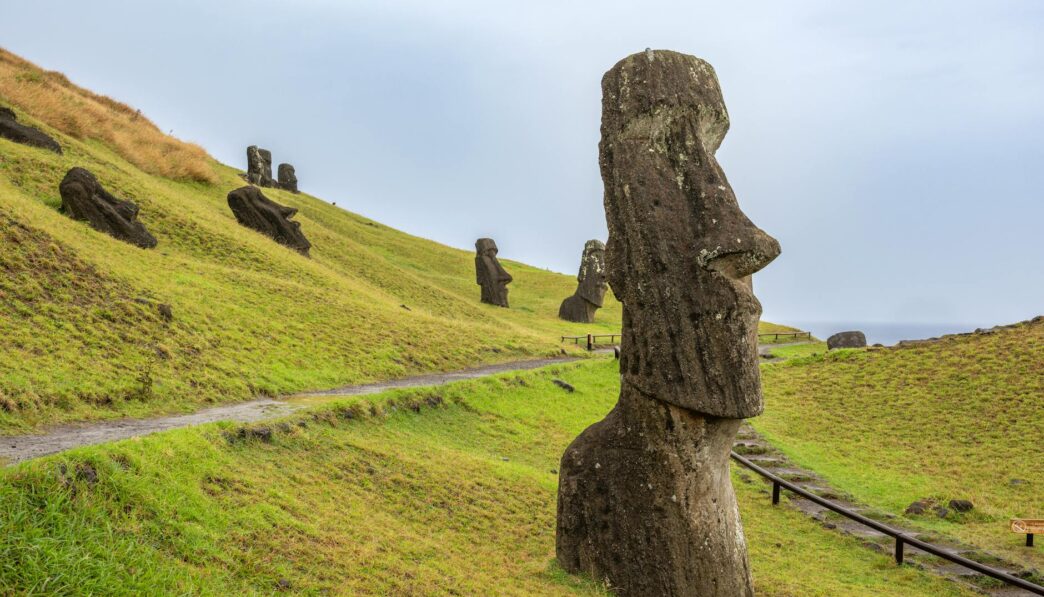
Explore the rich history and diverse cultures of Oceania’s Pacific Islands, from ancient migrations to unique traditions and sustainable livelihoods.