

Understanding Theories on Why We Sleep and Their Importance
Explore key theories explaining why we sleep and discover how sleep impacts health, mood, and cognitive functions essential for daily life.
Explore key theories explaining why we sleep and discover how sleep impacts health, mood, and cognitive functions essential for daily life.

Cratons are ancient, stable parts of Earth’s continental lithosphere, offering insights into geological history and natural resources across continents.

Explore protoplanetary disks where young stars form and planets begin to develop. Learn about their structure, composition, and role in stellar evolution.

Explore the history of writing from ancient scripts like cuneiform and hieroglyphs to modern alphabets, revealing their evolution and cultural impact.
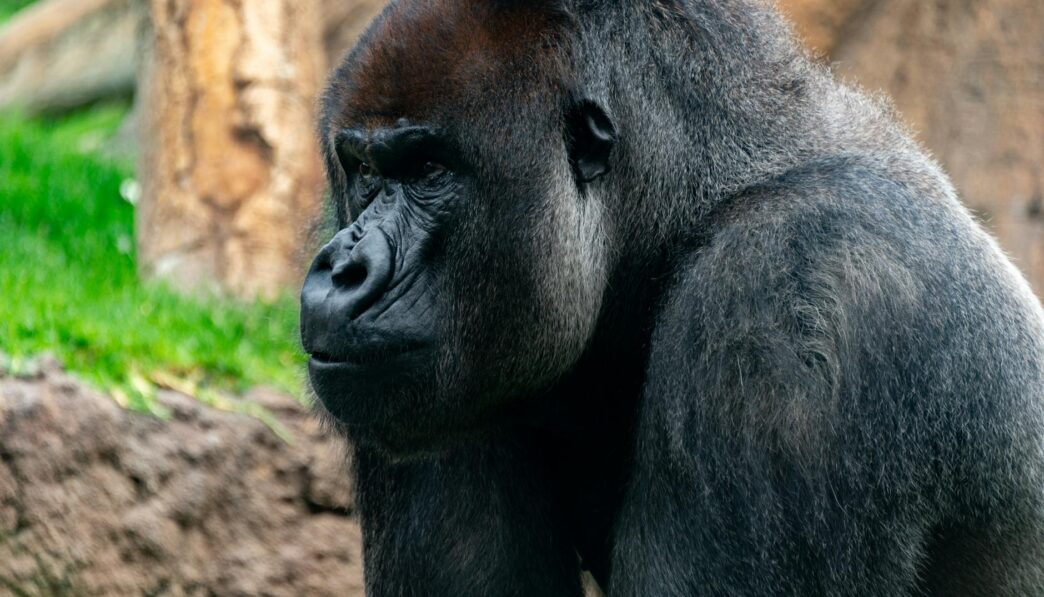
Explore the Hominidae family, including great apes like chimpanzees, gorillas, orangutans, and humans, their traits, habitats, and conservation.
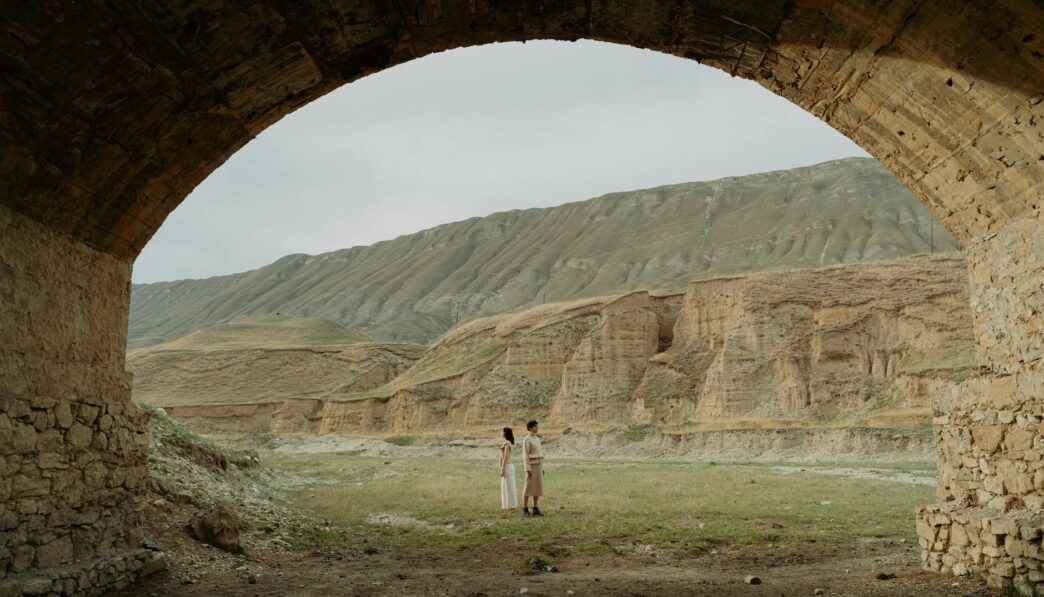
Explore Pangaea, Earth’s ancient supercontinent that shaped continents, climate, and biodiversity through its formation and breakup millions of years ago.

Explore Earth’s geological and biological history, from its formation to the rise of life and future challenges shaping our planet.

Explore the Great Oxidation Event, when oxygen first rose in Earth’s atmosphere, transforming life and climate over 2 billion years ago.

Discover the Denisovans, extinct archaic humans from Asia’s Pleistocene era, revealing key insights into human evolution and ancient genetic legacies.

Explore abiogenesis, the natural process where life arises from non-living matter, revealing the origins of life on Earth and beyond.

Explore the Cambrian Explosion, a pivotal event in animal evolution that led to diverse species and complex ecosystems through innovative adaptations.

Explore how language shaped human evolution, reflecting cognitive growth, culture, and identity, and its role in communication and social bonds.

Quoigenderfluid describes a gender identity that is fluid and uncertain, where individuals experience shifting genders without fixed labels or definitions.

Explore the African origins of modern humans and their migration across continents, revealing how early populations adapted and evolved.

Explore Earth’s geological history, key events, and timeline to understand our planet’s evolution and its impact on climate and life.

Explore the significance, mechanics, and evolution of bipedalism in animals and humans, highlighting its impact on movement and adaptation.

Explore the 19th century discovery of human antiquity and its impact on science, reshaping our understanding of human evolution and history.

Explore proto-writing, early symbol systems from the Neolithic era that laid the foundation for written communication by conveying limited information through marks and symbols.

Explore the faint young Sun paradox and how early Earth maintained liquid water despite a dimmer Sun, revealing clues about life’s origins.

Explore the formation and key characteristics of protoplanets, the early building blocks of planets that shape our solar system and support life.