
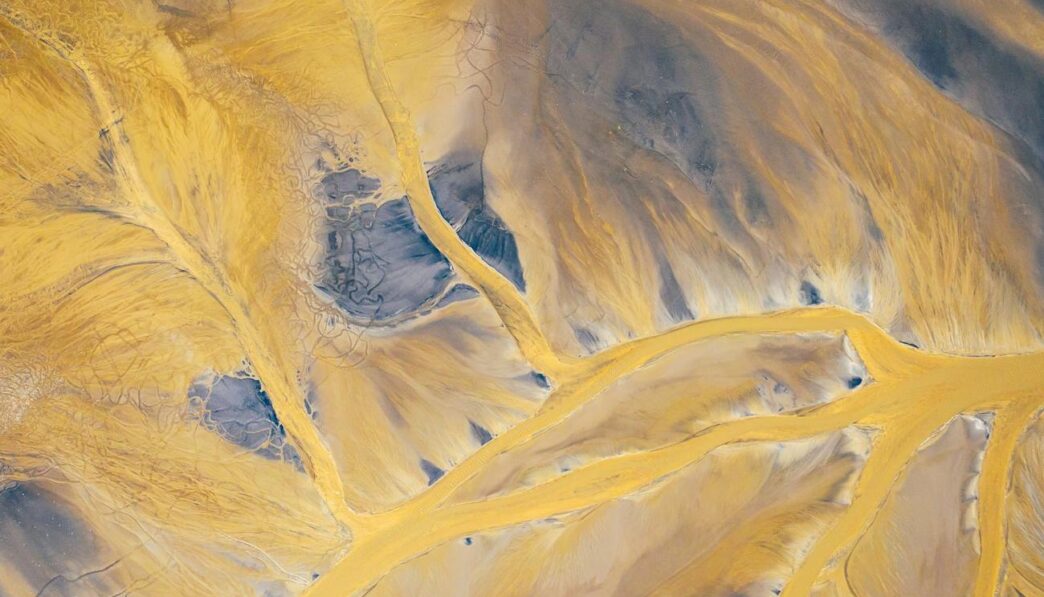
Phanerozoic Eon: Overview of Earth’s Geological History
Explore the Phanerozoic Eon, Earth’s dynamic geological history from 538 million years ago to today, highlighting major eras, life evolution, and geological processes.
Explore the Phanerozoic Eon, Earth’s dynamic geological history from 538 million years ago to today, highlighting major eras, life evolution, and geological processes.

Explore planetary differentiation, the process shaping planets’ internal layers and influencing their formation, structure, and potential for life.

Explore the 4.6 billion-year journey of the Solar System’s formation and evolution, from cosmic dust to planets and ongoing discoveries.

Explore Gondwana, the ancient supercontinent that shaped today’s continents and biodiversity, influencing climate and cultures worldwide.

Explore prehistory, the era before written records, revealing how early human behavior and technology shaped modern societies and cultures.

Explore the prehistoric human occupation of Great Britain, revealing ancient settlements, tools, and survival strategies that shaped early communities.

Paleolithic bone flutes are the earliest musical instruments from Europe, revealing prehistoric music’s role in human culture and social connections.

Explore how evolution shapes heritable traits across generations and its impact on medicine, agriculture, and conservation in everyday life.

Explore the lives and innovations of early modern humans during the Paleolithic Era, revealing their survival strategies, tools, and social evolution.

Explore early hominin migrations out of Africa and their impact on human evolution, diversity, and adaptation across continents over millions of years.

Romeric describes heterosexual attraction, traditionally between men and women, evolving to include broader understandings of gender and orientation.

Explore the prebiotic atmosphere, Earth’s second atmosphere that set the stage for life by creating conditions essential for organic molecule formation.

Explore the causes and impact of Neanderthal extinction on human evolution, revealing insights into ancient species survival and adaptation.

Explore the definition, types, and significance of multicellular organisms, highlighting their roles, cell specialization, and impact on ecosystems and human health.

Explore Columbia, the ancient supercontinent from 1.6 billion years ago, and its role in shaping Earth’s geology, climate, and early life evolution.
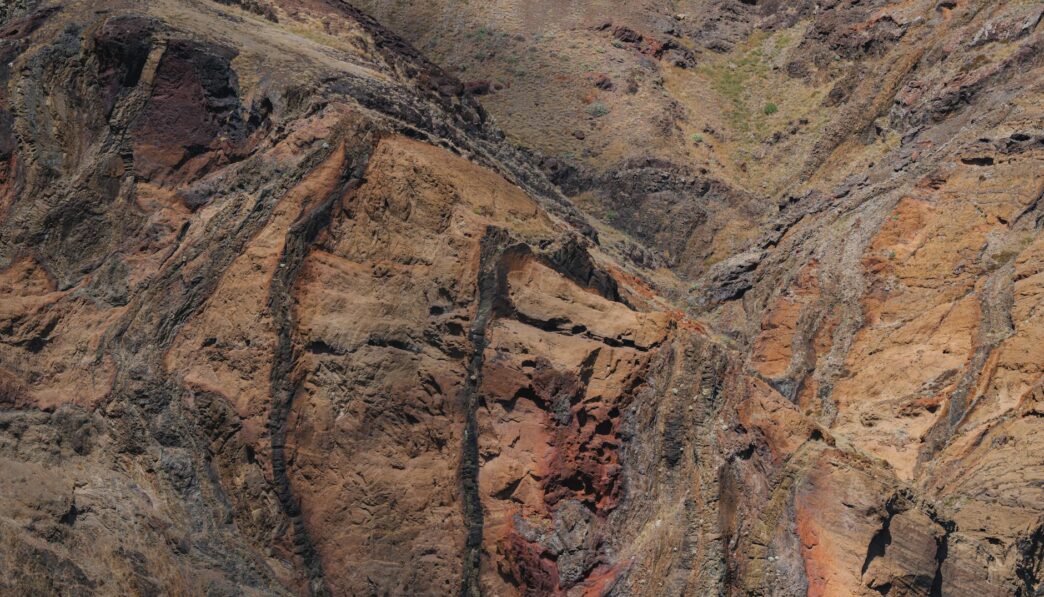
Explore how stratigraphy reveals Earth’s history through rock layers, fossils, and geological processes, impacting fields from resource management to environmental science.

Explore Charles Darwin’s life, his groundbreaking theories on evolution, and their lasting impact on science, medicine, and our understanding of life.

Explore the science behind kissing and its role in human relationships, from emotional bonds to cultural variations and biological effects.

Explore how geochronology reveals the age of rocks, fossils, and sediments to uncover Earth’s history and evolution over millions of years.

Explore the early human migrations from Africa to Eurasia between 2.1 and 0.2 million years ago, revealing crucial insights into our evolutionary history.