
Understanding Myths: A Guide to Traditional Narratives and Folklore
Explore the difference between myths and fables and discover how traditional narratives shape culture, values, and modern media.
Explore the difference between myths and fables and discover how traditional narratives shape culture, values, and modern media.

Explore how the full moon influences human behavior and superstitions, examining historical beliefs and scientific research on mood and sleep changes.

Jędza is a malevolent figure in Slavic mythology symbolizing calamity, disease, and misfortune, feared for spreading chaos and despair.

Malanka is a Slavic goddess of spring, renewal, and fertility, symbolizing the return of life and warmth after winter through folklore and seasonal myths.

Luonnotar, also known as Ilmatar, is the Finnish goddess of creation and nature, central to the Kalevala myth where she shapes the world from chaos.

Abaangui is a figure from Guarani mythology, which originates from the indigenous Guarani people in South America, particularly in Paraguay, Brazil, and Argentina.
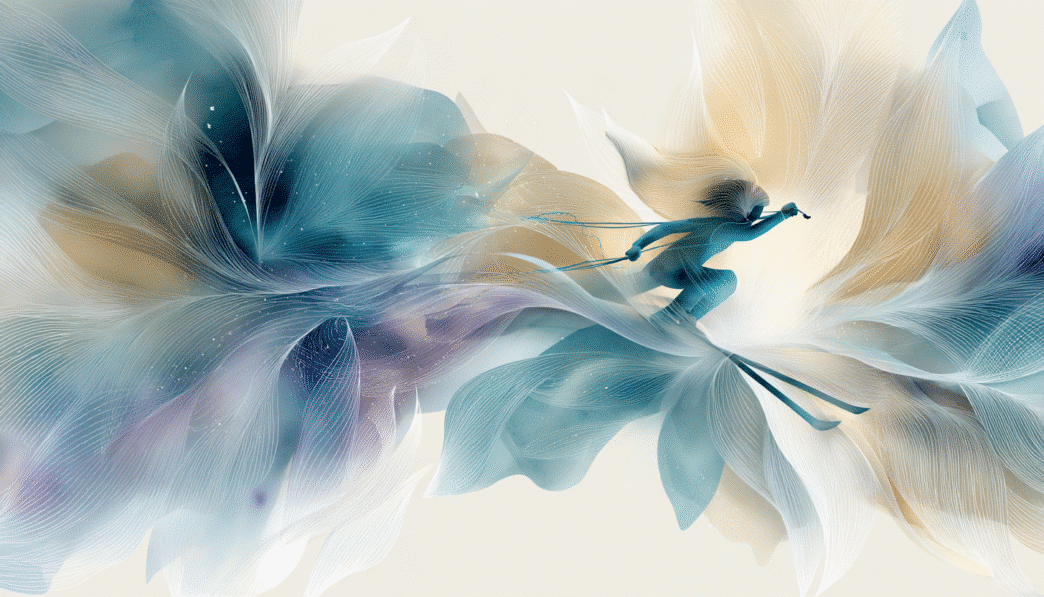
Ull is the Norse god of skiing, archery, and hunting, known for his skill and protection during winter and harsh conditions.
Discover Ba, the Chinese goddess of drought, embodying nature’s dual power to nurture and destroy, with tales of protection and punishment.

Explore the symbolism behind spider dreams and what they reveal about your emotions and life situations. Understand common myths and practical tips for dream interpretation.

Lada is a Slavic and Baltic goddess of love, beauty, fertility, and harmony, celebrated for her role in marriage, prosperity, and seasonal renewal.