

Laurentia: The Geological Core of North America Explained
Explore Laurentia, the ancient geological core of North America, its formation, key features, and impact on Earth’s geological and biological history.
Explore Laurentia, the ancient geological core of North America, its formation, key features, and impact on Earth’s geological and biological history.

Explore how volcanoes form, erupt, and impact our planet’s landscapes and climate. Understand their locations and the science behind their powerful eruptions.

Explore the oceanic crust’s composition, formation, and vital role in Earth’s geology and marine ecosystems beneath the ocean floor.

Explore the Mesozoic Era, Earth’s Age of Reptiles and Dinosaurs, highlighting key periods, fossil formation, and the rise of mammals and birds.
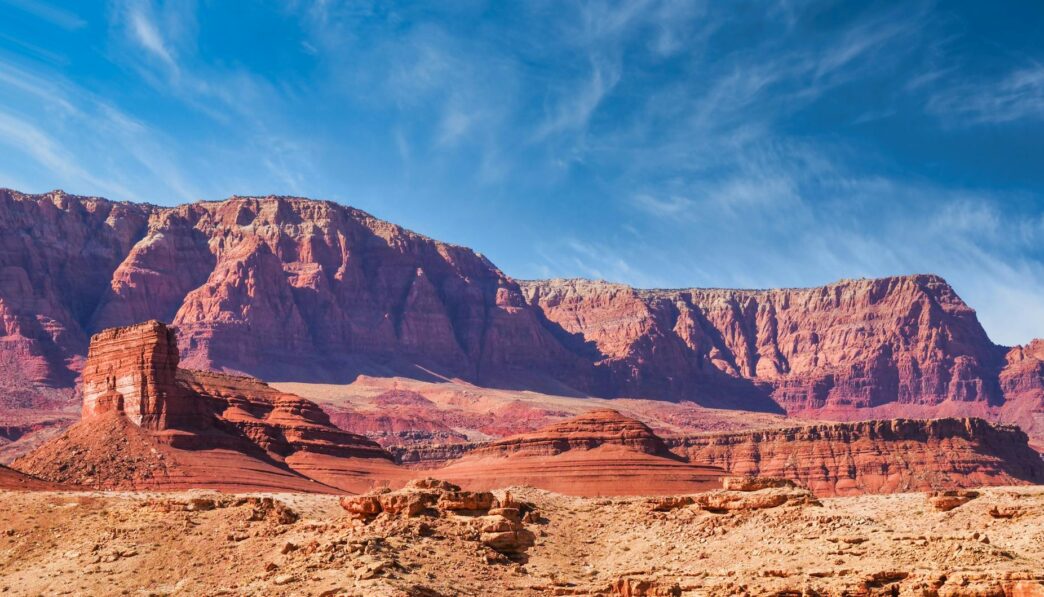
Cratons are ancient, stable parts of Earth’s continental lithosphere, offering insights into geological history and natural resources across continents.
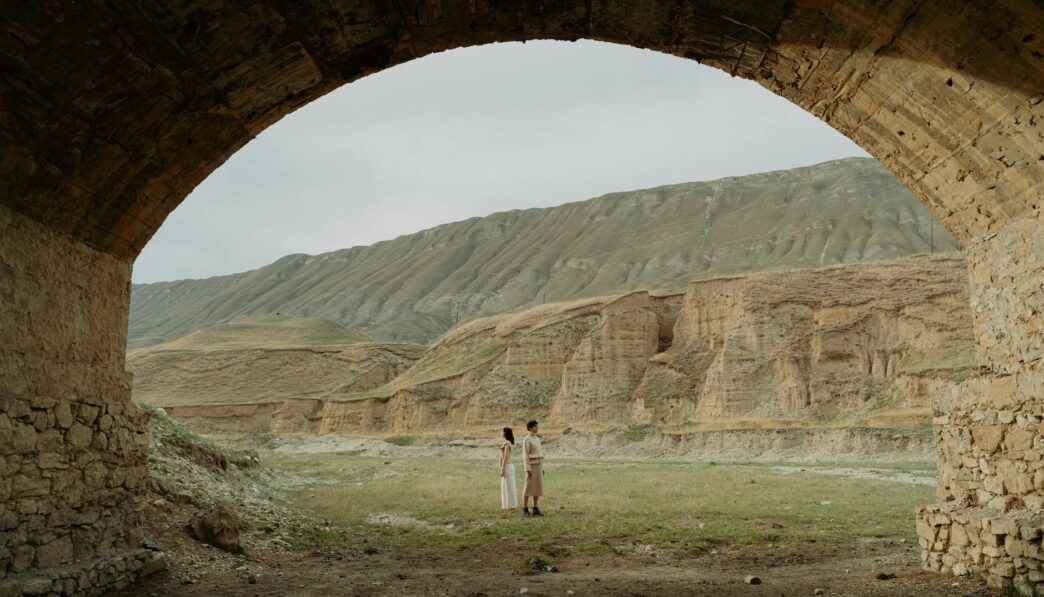
Explore Pangaea, Earth’s ancient supercontinent that shaped continents, climate, and biodiversity through its formation and breakup millions of years ago.
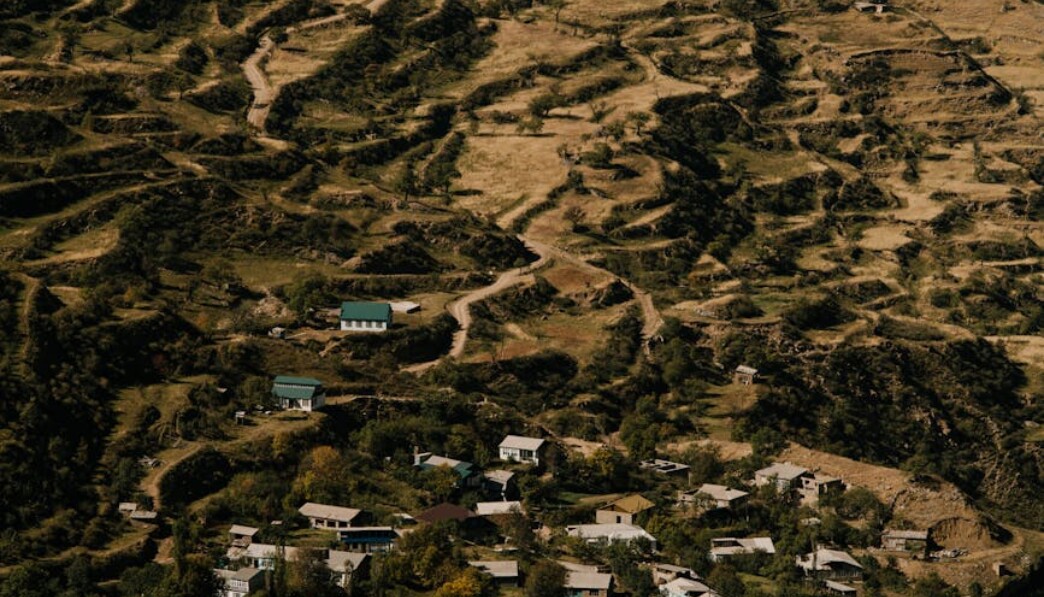
Explore Earth’s geological and biological history, from its formation to the rise of life and future challenges shaping our planet.

Explore the Great Oxidation Event, when oxygen first rose in Earth’s atmosphere, transforming life and climate over 2 billion years ago.

Explore the giant-impact hypothesis explaining how the Moon formed from a massive collision between Earth and a Mars-sized body called Theia billions of years ago.
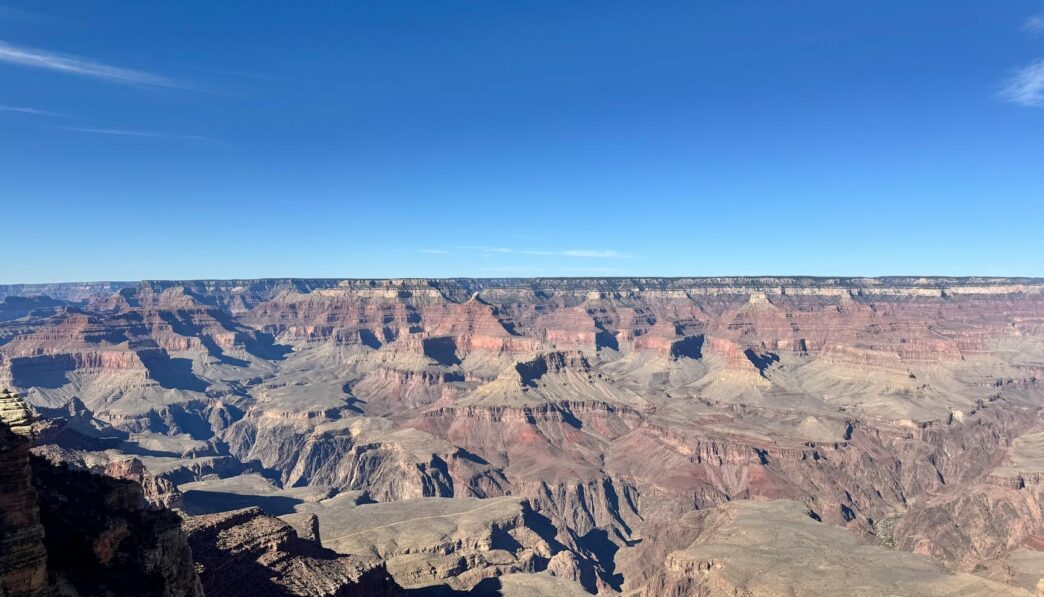
Explore Earth’s geological history, key events, and timeline to understand our planet’s evolution and its impact on climate and life.

Explore how metamorphism transforms rocks without melting, reshaping Earth’s geology through heat, pressure, and fluids to create unique metamorphic rocks.

Explore the faint young Sun paradox and how early Earth maintained liquid water despite a dimmer Sun, revealing clues about life’s origins.
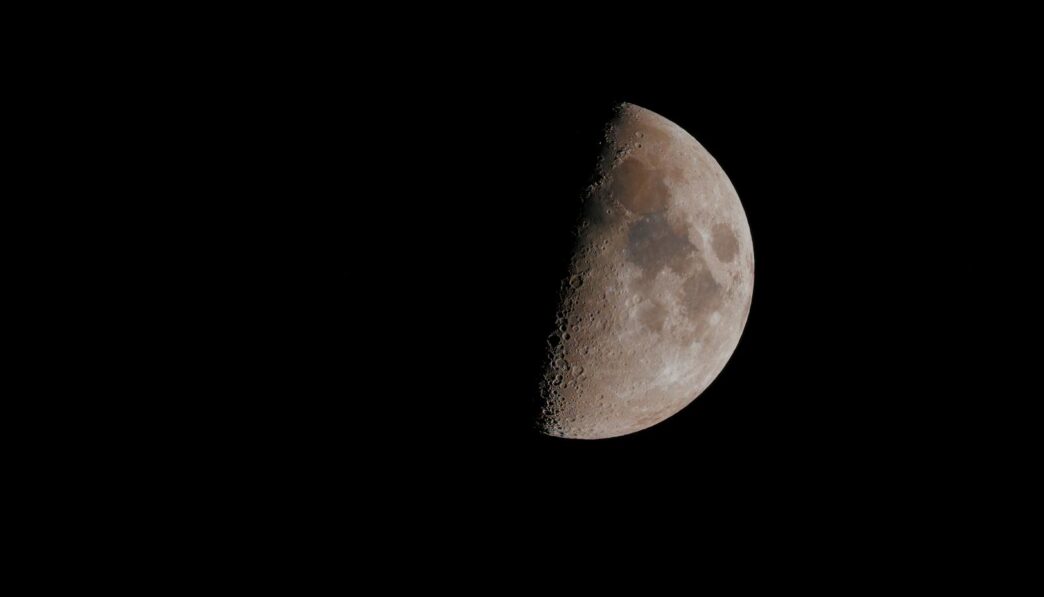
Explore the fascinating moons orbiting planets in our Solar System and their vital roles in planetary dynamics, climate, and potential for life.
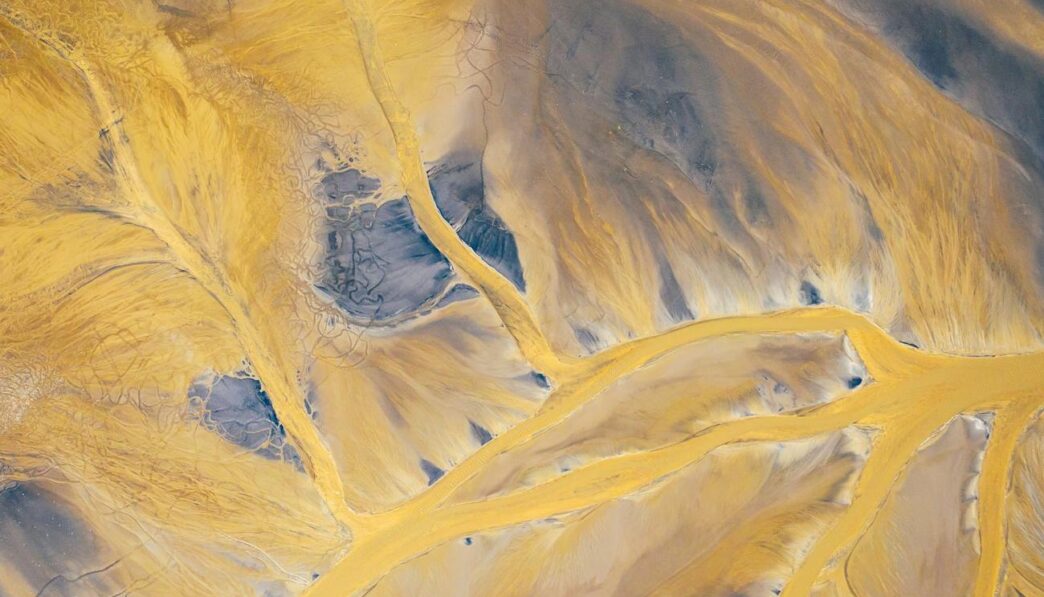
Explore the Phanerozoic Eon, Earth’s dynamic geological history from 538 million years ago to today, highlighting major eras, life evolution, and geological processes.

Explore planetary differentiation, the process shaping planets’ internal layers and influencing their formation, structure, and potential for life.
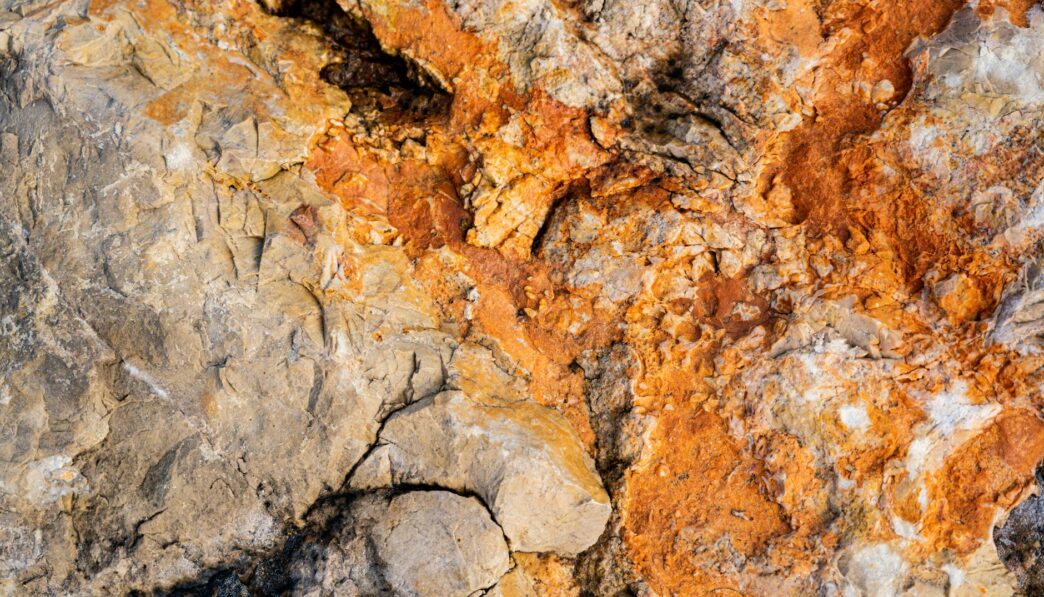
Discover trondhjemite, a light-colored intrusive igneous rock important in geology and construction for its durability and unique mineral composition.

Explore the formation and types of metasedimentary rocks, their geological significance, and their role in Earth’s history and modern applications.

Explore Gondwana, the ancient supercontinent that shaped today’s continents and biodiversity, influencing climate and cultures worldwide.

Explore Earth’s physical composition and structure through geology, uncovering the planet’s layers, processes, and the science behind natural phenomena.

Granite is a durable igneous rock composed of quartz and feldspar, essential in architecture and geology, shaping landscapes and buildings.