

Prebiotic Atmosphere: The Second Atmosphere of Early Earth
Explore the prebiotic atmosphere, Earth’s second atmosphere that set the stage for life by creating conditions essential for organic molecule formation.
Explore the prebiotic atmosphere, Earth’s second atmosphere that set the stage for life by creating conditions essential for organic molecule formation.
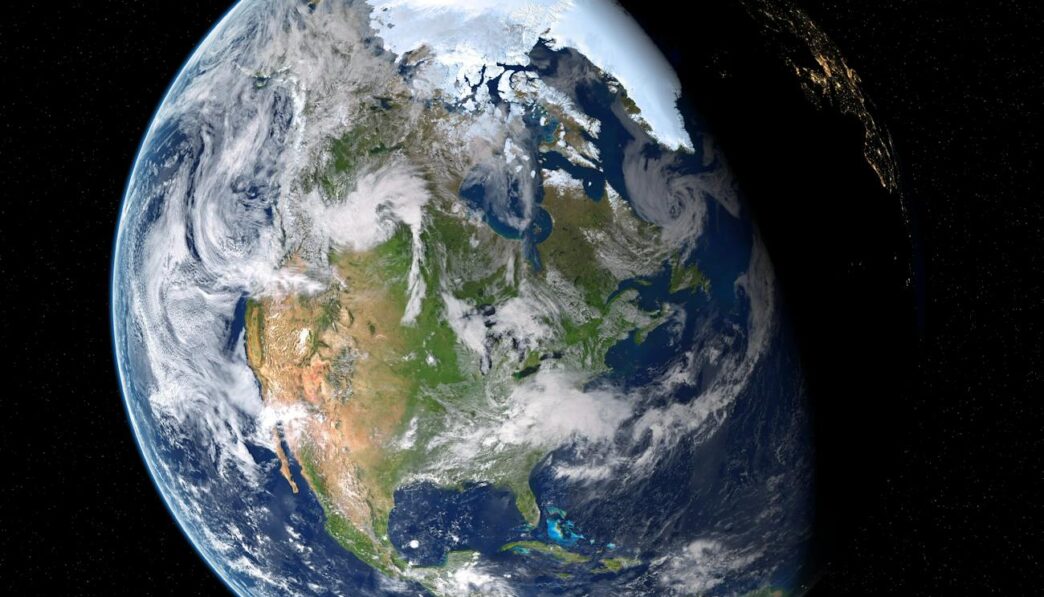
Explore the Earth’s inner core, its composition, structure, and vital role in geology and magnetic field generation beneath our feet.
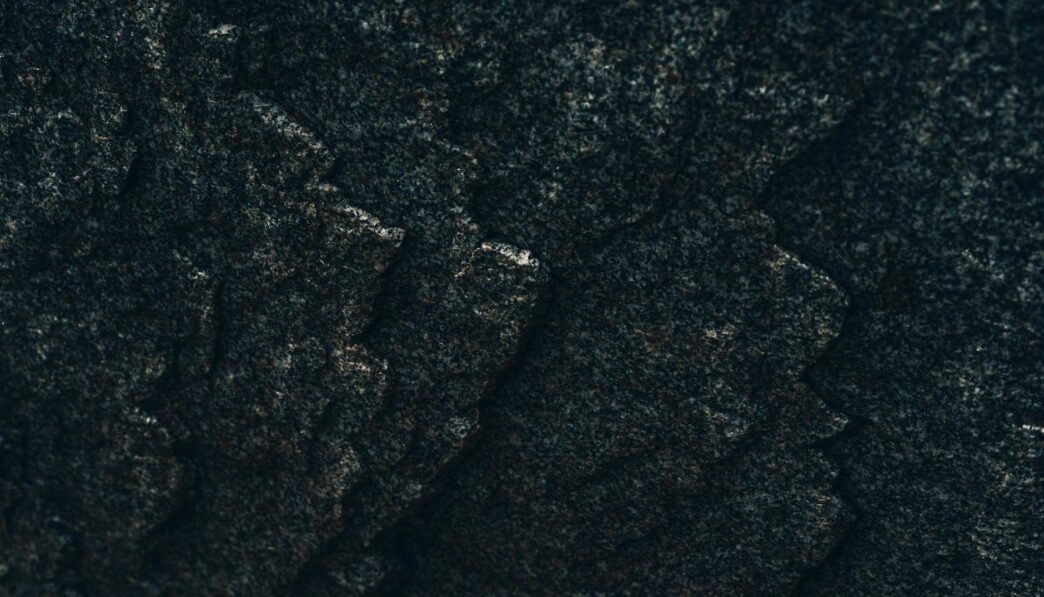
Granodiorite is a coarse-grained igneous rock similar to granite but with more plagioclase feldspar. It plays a key role in construction and natural landscapes.

Explore Columbia, the ancient supercontinent from 1.6 billion years ago, and its role in shaping Earth’s geology, climate, and early life evolution.
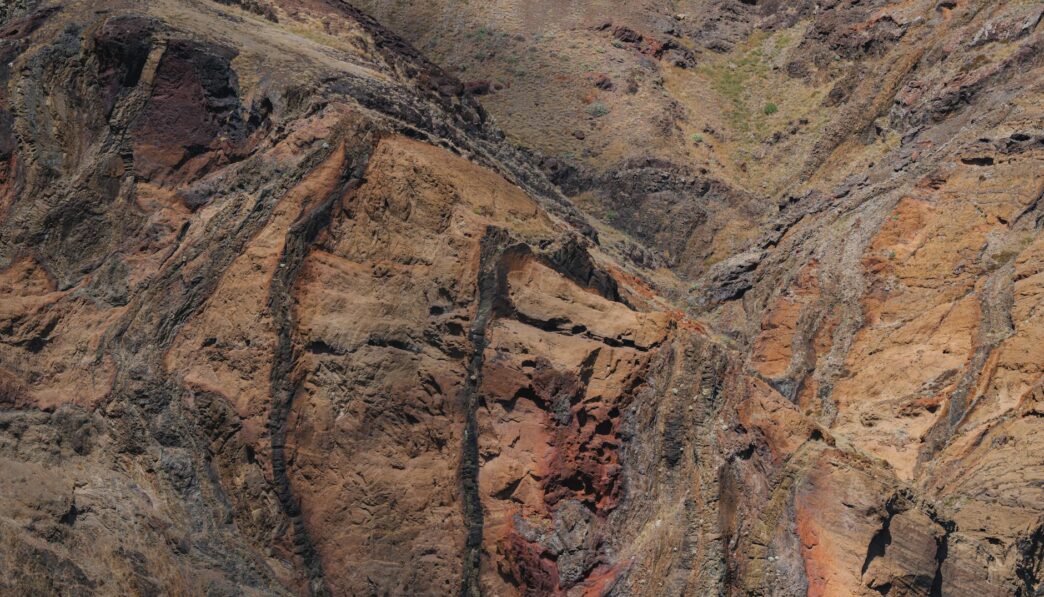
Explore how stratigraphy reveals Earth’s history through rock layers, fossils, and geological processes, impacting fields from resource management to environmental science.

Discover zircon, a durable mineral and gemstone vital for understanding Earth’s history through radiometric dating and geological studies.

Explore the structure and composition of the continental crust, the Earth’s outer rock layer supporting landmasses, ecosystems, and geological processes.

Explore the primitive mantle’s role in Earth’s formation, geology, and climate science, revealing how early chemical composition shapes our planet today.

Explore the Apollo Program’s impact on lunar science, astronaut experiences, and its legacy inspiring future missions like NASA’s Artemis program.

Explore the Before Present (BP) time scale used in archaeology and science to date events from 1950, enhancing our understanding of history and climate.

Tonalite is a coarse-grained igneous rock used in construction and design for its durability and unique appearance, also important for geological studies.

Explore how mantle convection drives Earth’s tectonic movements and influences geological events like earthquakes and volcanic eruptions shaping our planet.
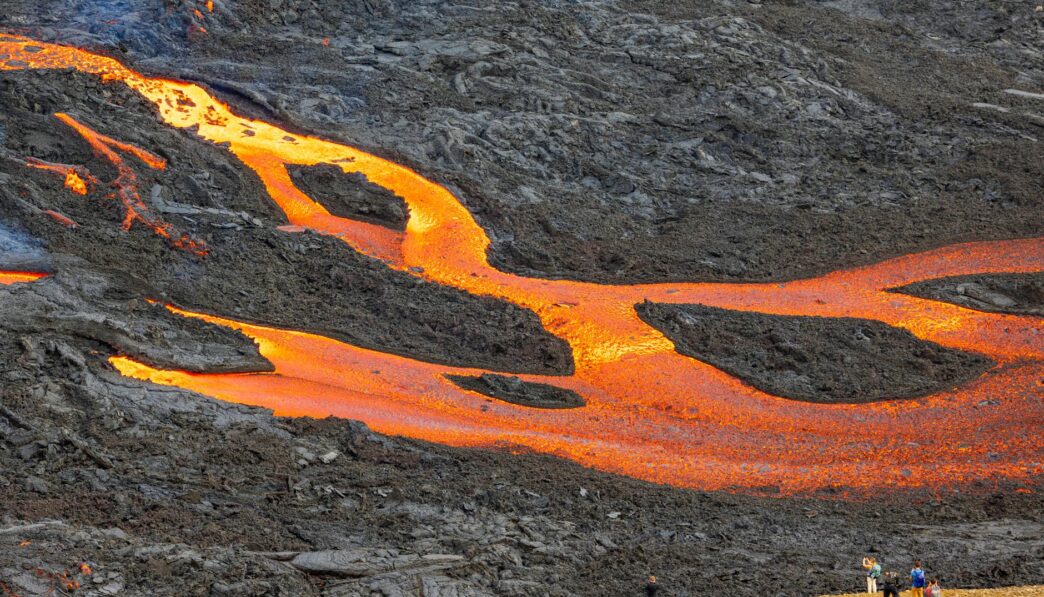
Basalt is a common volcanic rock formed from cooled lava, essential in construction and natural landscapes, revealing Earth’s geological processes.

Discover the Earth’s mantle, the thick layer between the core and crust that drives tectonic activity, volcanic eruptions, and influences climate.

Explore the Cenozoic Era, Earth’s current geological period marked by mammal dominance and major climate changes shaping today’s ecosystems.

Explore the key characteristics and composition of felsic igneous rocks, including their formation, mineral content, and significance in geology and daily life.

Explore the key features and geological significance of oceanic trenches, the deepest parts of our oceans vital to Earth’s ecosystems and plate tectonics.
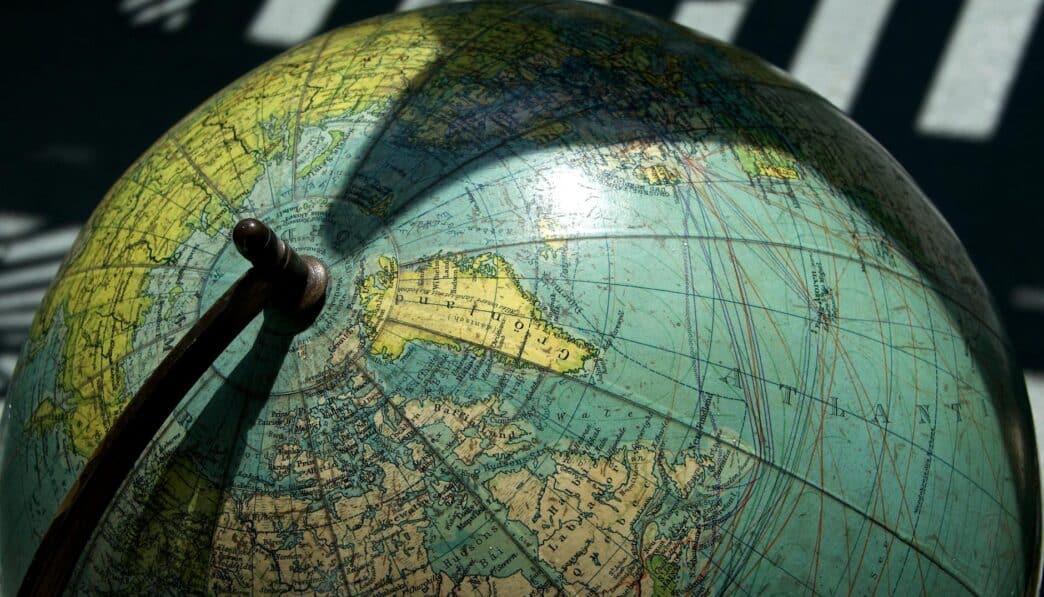
Explore the Pleistocene Epoch, Earth’s last Ice Age, marked by glaciations that shaped landscapes and influenced species evolution including humans.

Explore how fossils preserve ancient life and reveal Earth’s history through body and trace fossils, fossilization processes, and modern paleontology techniques.
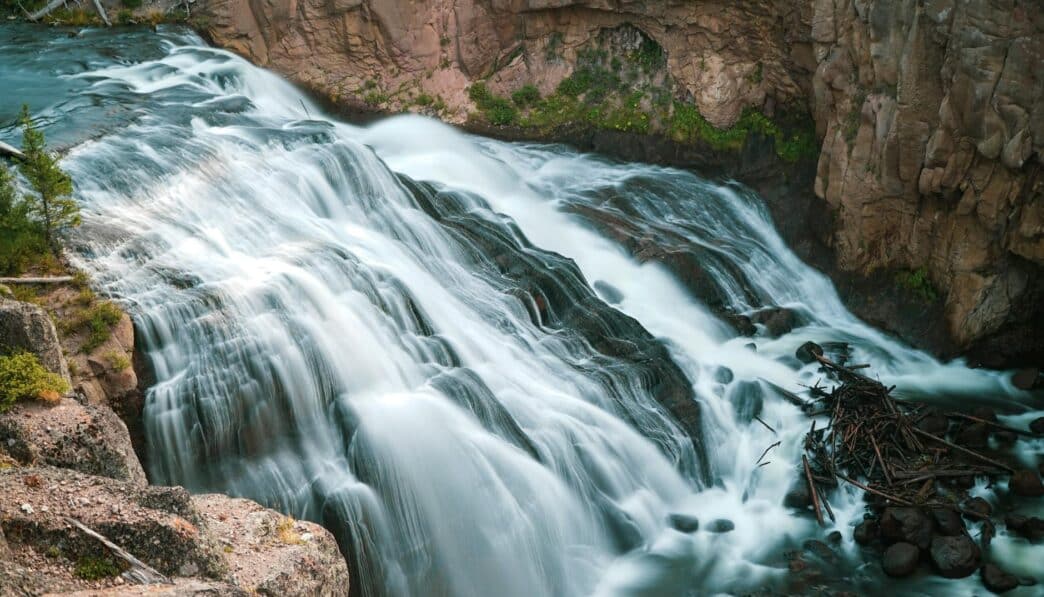
Explore the Holocene Epoch, our current geological era marked by climate stability and human progress, shaping the environment and future challenges.