
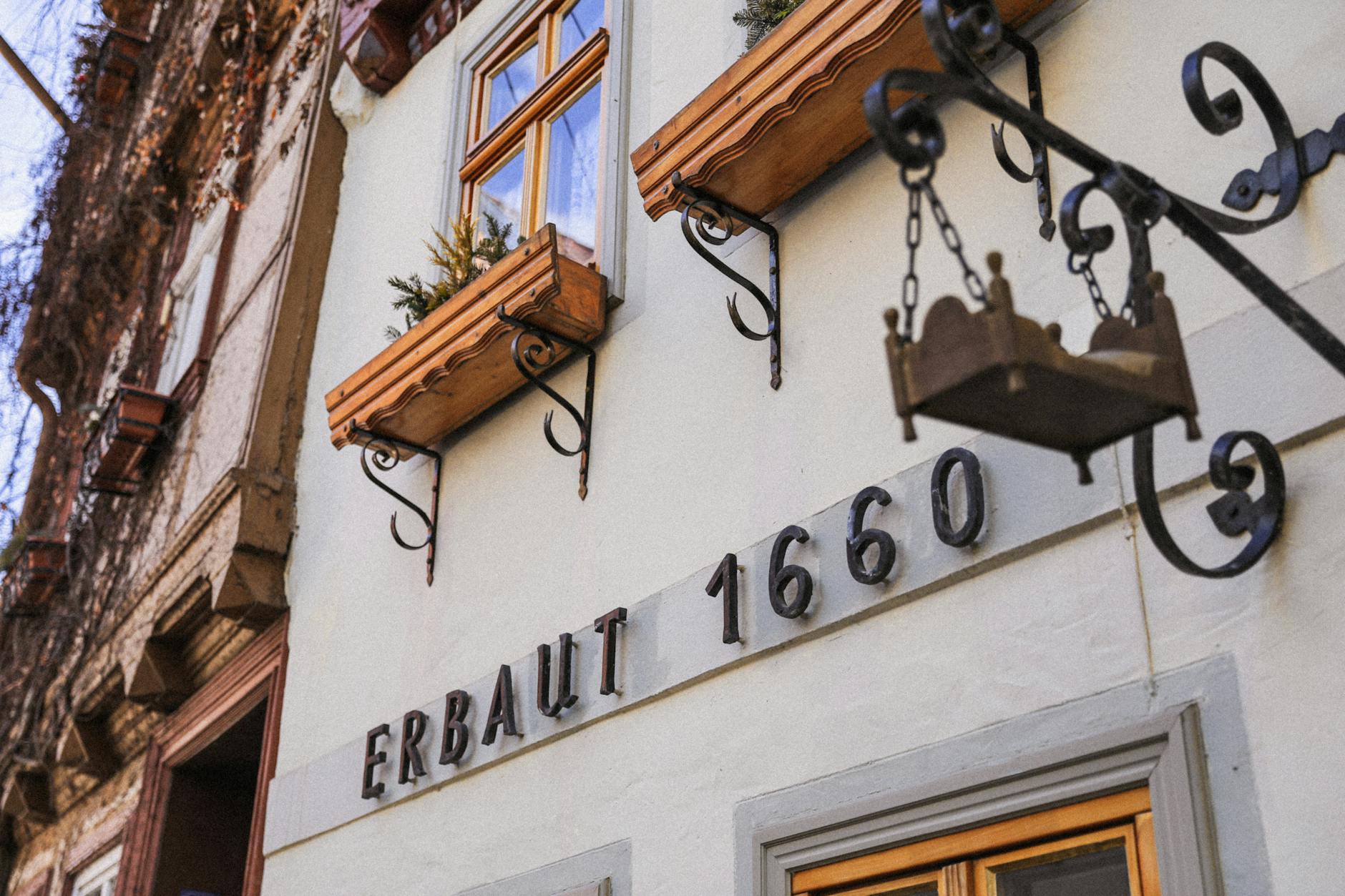
The Late Middle Ages: A Period of Turmoil in European History
The late Middle Ages refers to the era of European history from 1300 to 1500 AD, bridging the High Middle Ages and the early modern period. This time frame is significant because it encompasses profound transformations in European society, marked by upheaval, disease, and social change. The late Middle Ages saw a catastrophic decline in population due to plagues and famines, leading to social unrest and conflicts that reshaped nations and institutions. Understanding this era helps us grasp the foundations of modern European history.
Why It Matters Today
The late Middle Ages were pivotal in shaping contemporary Europe. The crises faced during this period, including wars, social revolts, and plagues like the Black Death, had lasting impacts on European society and governance. These events prompted shifts toward modernity, influencing political structures, economic practices, and cultural developments that resonate even today.
Lessons from the Past
The challenges of the late Middle Ages offer critical lessons about resilience in the face of adversity. As populations dwindled due to disease and conflict, societies adapted, creating new social contracts and governance structures. The emergence of representative institutions can be traced back to these turbulent times, providing insights into how societies can evolve through crises.
Unpacking the Turmoil: Key Events and Their Impact
The Plague’s Shadow
The Great Famine (1315:1317) marked the beginning of a series of disasters that severely impacted Europe. Following this famine, the Black Death struck in 1347, decimating approximately one-third to sixty percent of Europe’s population within a few years. This drastic depopulation led to labor shortages that fundamentally altered economic dynamics and social hierarchies. Survivors found themselves in a position to demand higher wages and better working conditions.
Political Upheaval and Power Struggles
This period was characterized by political strife. The Hundred Years’ War (1337:1453) between England and France exemplifies the era’s conflicts over territory and sovereignty. Additionally, peasant uprisings such as the Jacquerie in France (1358) and the Peasants’ Revolt in England (1381) reflected widespread discontent stemming from economic hardships and oppressive taxation.
How It Works: The Dynamics of Change
The Role of Social Structures
The social fabric of Europe underwent significant changes during this time. The decline in population disrupted traditional feudal relationships. Landowners struggled to maintain control over their estates as labor became scarce; many peasants began to negotiate better terms for their work or leave their lordships altogether. This shift contributed to the gradual end of serfdom in Western Europe while reinforcing it in Eastern regions.
Economic Shifts and Their Consequences
As labor became more valuable due to decreased population density, wages rose, challenging long-standing economic structures based on serfdom. The Statute of Laborers enacted in England (1351) attempted to restrict wage increases but only fueled tension between classes. The resulting unrest led to significant changes in labor relations across Europe.
Common Misconceptions: Debunking Myths
The ‘Dark Ages’ Misnomer
Many people mistakenly refer to this period as the “Dark Ages,” suggesting a time devoid of cultural or intellectual progress. In reality, while there were substantial challenges, this era also witnessed advancements in art, architecture, and literature that laid groundwork for future developments during the Renaissance.
Misunderstanding the Role of Religion
Another misconception is that religion dominated all aspects of life during these centuries. While faith was central to many people’s lives, the late Middle Ages also saw growing skepticism toward established religious institutions, culminating in movements like the Protestant Reformation that sought reform within Christianity.
Voices from the Era: Perspectives and Narratives
Chroniclers and Their Accounts
Chroniclers such as Giovanni Villani provided invaluable insights into daily life during this tumultuous period through their writings. They documented not only events but also social conditions and responses to crises like the Black Death.
The Everyday Lives of Common People
The lives of ordinary people during this time were drastically affected by famine, plague, and war. Despite these challenges, communities often rallied together for mutual support, reflecting resilience amidst adversity. This solidarity would eventually contribute to broader societal changes in governance and rights.
The Legacy of the Late Middle Ages: A Lasting Influence
Foundation for Modern Europe
The late Middle Ages laid essential groundwork for modern European states. The decline of feudalism coincided with the rise of centralized governments that began to emerge from wartime needs for stronger leadership amid chaos.
Cultural and Intellectual Rebirth
This era also sparked an intellectual revival known as humanism that would flourish into the Renaissance. Scholars began revisiting classical texts, spurring innovations across various fields such as science, philosophy, art, and literature significantly influencing Western thought.
The late Middle Ages were indeed a complex tapestry of turmoil and transformation that shaped Europe profoundly. By studying this period’s challenges and responses, we gain valuable insights into overcoming adversity,a lesson still relevant today.
Sources
- Late Middle Ages – Wikipedia
- archive.org
- archive.org
- archive.org
- archive.org
- books.google.com
- web.archive.org
- web.archive.org
- ircamera.as.arizona.edu
- books.google.com
- web.archive.org
Articles
- The Early Middle Ages: A Key Period in European History
- The Middle Ages: A History of Medieval Europe from 500 to 1500
- Mesolithic Period: Overview of the Middle Stone Age in Prehistory
- Apert Syndrome: Overview of Symptoms, Causes, Diagnosis, and Treatment
- Overview of Classical Architecture and Its Influences
- Sociocultural Theory: An Overview of Vygotsky's Concepts and Applications
Days
- Friday of the first full week of March: Middle Name Pride Day
- March 6: Middle Name Pride Day
- Eid al-Fitr
- March 20: Ravioli Day
- February / March 19: Las Fallas
- March 15: Stiff Person Syndrome Awareness Day
Why do you keep falling for the same type?
Read the article Lovemaps: the hidden blueprint of our love.
Did you not find what you were looking for? Let me help you find more.
