
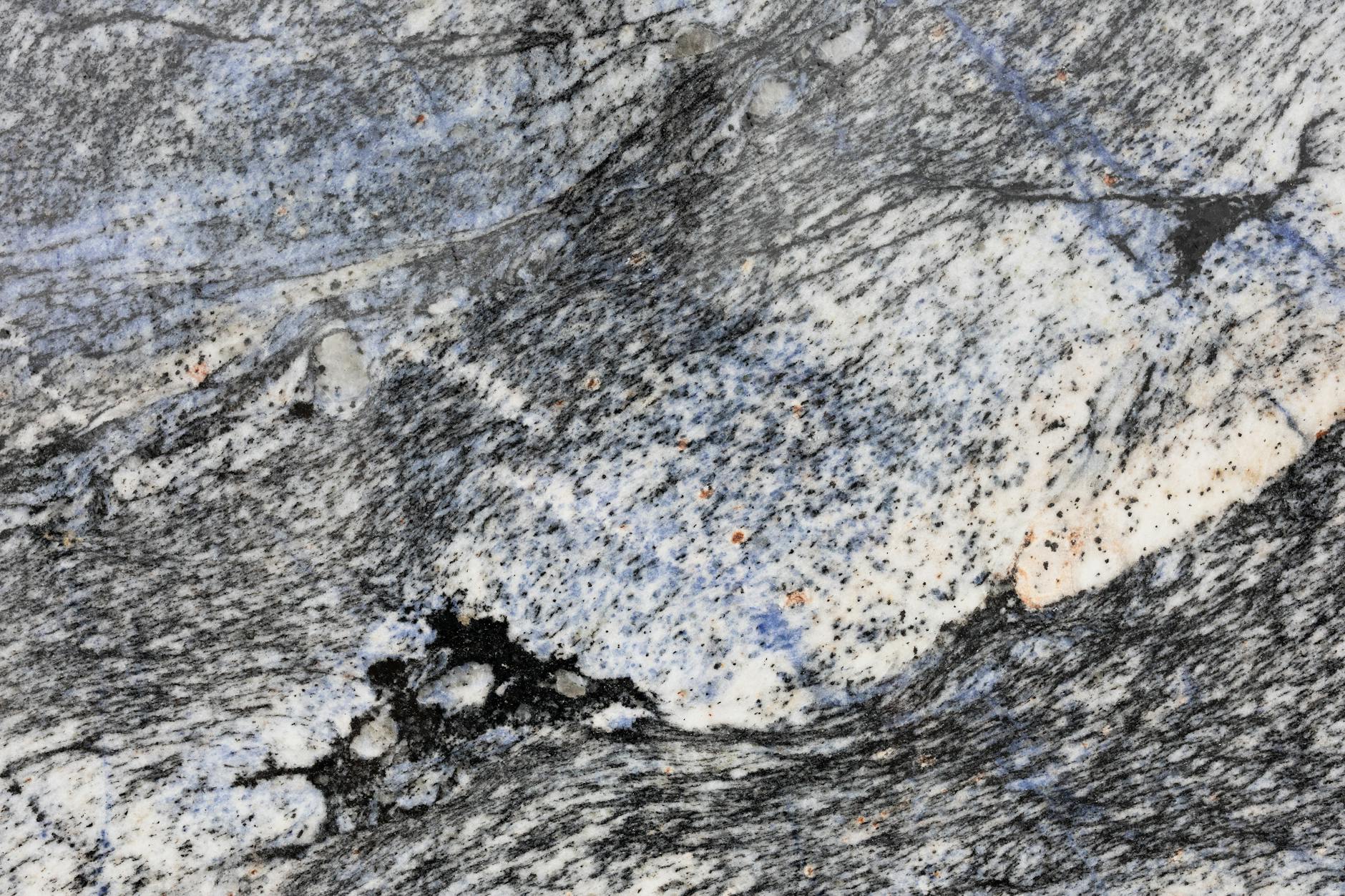
Why Tonalite Matters: A Practical Perspective
Tonalite, a coarse-grained igneous rock, is vital in construction and offers insights into Earth's geological history. Understanding tonalite can influence its application in design and construction, ensuring both durability and aesthetic appeal. Tonalite is an igneous, plutonic (or intrusive) rock with a felsic composition and a coarse-grained (phaneritic) texture. It primarily contains plagioclase feldspar, quartz, and minor amounts of other minerals.
Applications in Construction and Design
Tonalite is widely used in construction due to its durability and aesthetic qualities. Builders often select tonalite for countertops, flooring, and monuments. Its unique color variations enhance design elements in homes and commercial spaces. Additionally, its strength makes it suitable for structural applications. In landscaping, tonalite serves as decorative stone or as part of retaining walls. Its resistance to weathering also makes it a preferred choice for outdoor installations. Overall, tonalite's versatility in the construction industry highlights its functional and aesthetic importance.
Geological Significance
Tonalite plays a crucial role in understanding geological processes, particularly those related to subduction zones. These areas are where one tectonic plate moves under another, leading to the formation of batholiths,large bodies of intrusive rocks like tonalite. By studying tonalites, geologists can gain insights into the conditions under which they formed and the history of tectonic movements. Moreover, tonalites often contain minerals that help researchers decipher ancient environmental conditions. This information aids in reconstructing past climates and geological events.
Understanding Tonalite: The Basics
What Is Tonalite?
Tonalite is primarily composed of plagioclase feldspar, with quartz making up more than 20% of its content. It typically contains oligoclase or andesine types of plagioclase, along with less than 10% alkali feldspar. Other common minerals include amphibole and biotite, while accessory minerals may include apatite, magnetite, and zircon. The name "tonalite" derives from its type locality near the Tonale Pass in the Italian Alps. The rock has been distinguished from similar types based on its mineral composition and quartz content.
Formation Processes
Tonalite forms through the slow cooling of magma beneath the Earth's surface. This process allows large crystals to develop, resulting in its coarse-grained texture. The specific conditions during cooling,such as temperature and pressure,affect the mineral composition and texture of tonalite. Typically found in regions associated with subduction zones, tonalite is often part of larger igneous complexes known as batholiths. These formations result from multiple episodes of magma intrusion over millions of years.
How It Works: The Science Behind Tonalite
Mineral Composition
The primary components of tonalite are plagioclase feldspar and quartz. The plagioclase usually consists of oligoclase or andesine varieties. Quartz contributes significantly to its overall composition,more than 20% by volume. Other minerals such as amphiboles and biotite appear in smaller amounts but play crucial roles in determining the rock's properties. Accessory minerals like apatite, magnetite, and zircon are also present, contributing to tonalite's unique characteristics.
Tonalite vs. Other Igneous Rocks
While tonalite shares similarities with other igneous rocks, it has distinct characteristics that set it apart:
- Tonalite vs. Granite: Both are light-colored; however, tonalite has more plagioclase feldspar and less quartz than granite.
- Tonalite vs. Diorite: Diorite contains more hornblende or pyroxene compared to tonalite’s higher quartz content.
- Tonalite vs. Granodiorite: Granodiorite has a more balanced mixture of quartz and feldspar than tonalite.
Common Myths About Tonalite
Several misconceptions surround tonalite that can lead to confusion among those unfamiliar with geology:
- Myth 1: Tonalite is just another name for granite. Fact: While similar, they have different mineral compositions.
- Myth 2: All coarse-grained rocks are tonalites. Fact: Other rocks like gabbro also share this texture but have different mineral content.
- Myth 3: Tonalite is not found outside mountainous regions. Fact: It can be located in various geological settings worldwide.
The Role of Tonalite in Earth’s History
Tonalite plays an essential role in understanding Earth's tectonic history. Its formation is closely linked to subduction zones, where oceanic crust is recycled back into the mantle. This recycling process contributes to the creation of continental crust over millions of years. The presence of tonalitic rocks can provide geologists with clues about past tectonic activities and the conditions under which they formed. For example, studying tonalites can help scientists reconstruct ancient environments and assess how they have changed over time due to plate movements.
Future Research Directions in Tonalite Studies
The study of tonalite continues to evolve as new technologies emerge. Future research may focus on:
- Molecular Analysis: Advanced techniques such as isotopic analysis could provide deeper insights into the formation processes of tonalites.
- Tectonic Implications: Understanding how tonalites relate to plate tectonics may reveal more about Earth’s dynamic systems.
- Sustainable Use: Investigating methods for sustainably sourcing tonalite for construction could minimize environmental impacts.
The ongoing exploration of tonalite enhances our understanding of this important rock type while contributing to broader geological knowledge that can inform future studies on Earth's evolution and resource management.
Sources
- Tonalite – Wikipedia
- ui.adsabs.harvard.edu
- citeseerx.ist.psu.edu
- doi.org
- api.semanticscholar.org
- nora.nerc.ac.uk
- geologyscience.com
- doi.org
- doi.org
- sigesocc.brgm.fr
- www.geoportail.gouv.fr
Why do you keep falling for the same type?
Read the article Lovemaps: the hidden blueprint of our love.
Did you not find what you were looking for? Let me help you find more.
