
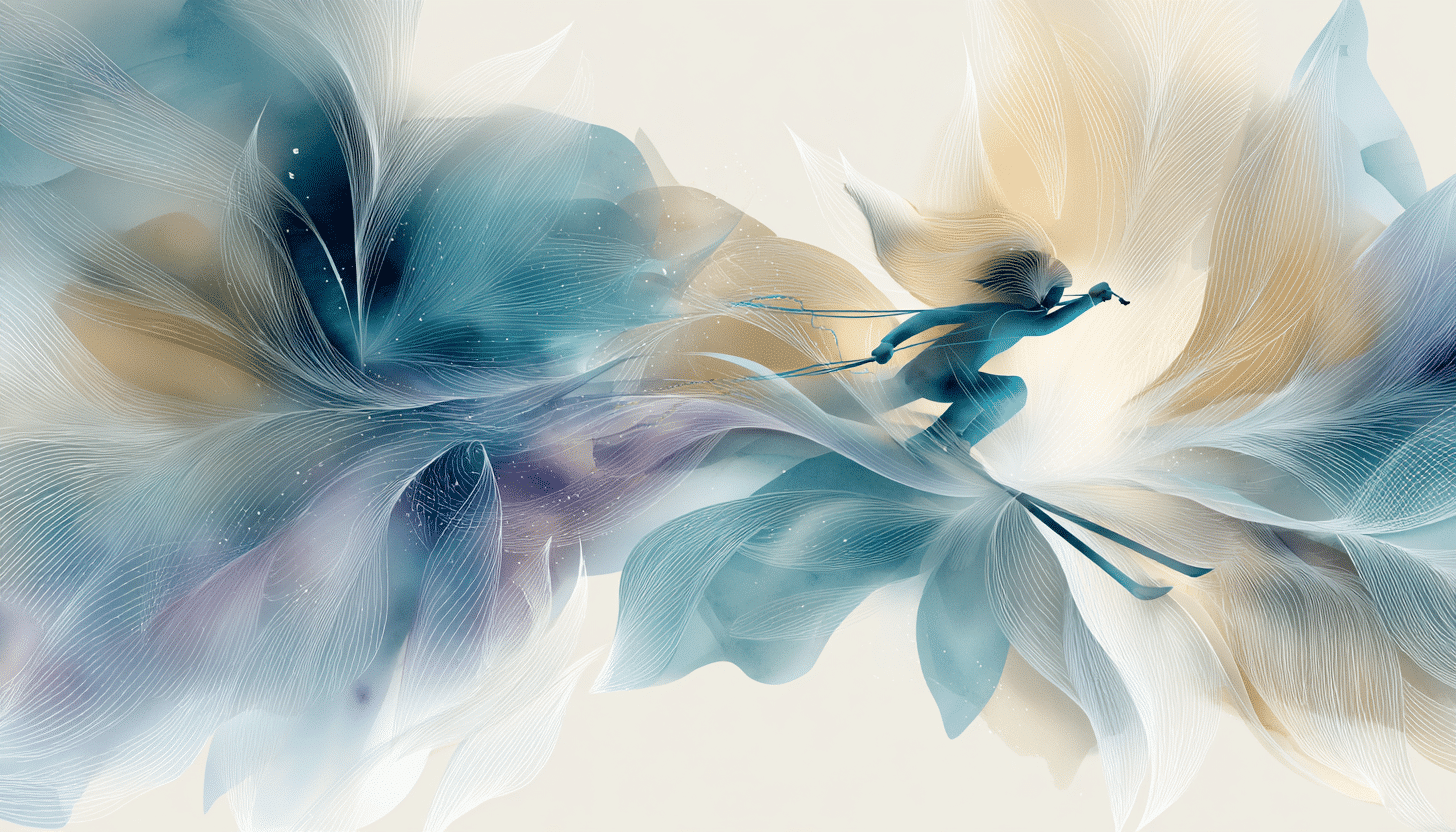
Ull is an important figure in Norse mythology. He is associated with skiing, archery, and hunting. Known for his skill and agility, Ull thrives in cold and challenging environments. He is a protector during winter and a guide through snowy landscapes. His stories reveal the Norse respect for endurance and adaptability.
Name: Ull
Role: God of skiing, archery, and hunting
Mythology: Norse
Domain: Winter, forests, survival skills
Symbols: Bow, skis, shield
Origin and background
Ull is the son of the goddess Sif and the stepson of Thor, the god of thunder. His father is sometimes described as an unnamed god, though later traditions link him to hunting and the wild. Ull’s home is Ydalir, meaning “Yew Dales,” named after the yew tree, a source of strong and flexible wood used for making bows. This directly connects him to archery and precision.
In Norse myths, Ull is celebrated for his unmatched skills in skiing and survival. His name is sometimes linked to glory or splendor, suggesting his standing among the gods. While he is not as prominent as Odin or Thor, his role is practical and deeply respected in a culture that valued skill in navigating harsh winters.
Appearance and symbols
Ull is usually imagined as a tall and strong figure dressed in furs. He carries a bow made from yew and a shield for both defense and hunting. His skis are not only tools of travel but symbols of his ability to move swiftly across the snow.
- Bow: Represents skill, precision, and the hunt.
- Skis: Stand for speed, endurance, and winter mastery.
- Shield: Symbolizes protection in battle and during hunting journeys.
These symbols show Ull’s identity as a survival expert. They remind the Norse people of the importance of preparation and resourcefulness.
Powers and abilities
Ull’s skills make him a valuable ally and a formidable opponent. He is called upon for protection during duels and for guidance in dangerous winter conditions. He can travel across snow and ice faster than any other being.
- Master of skiing: His unmatched ability to cross frozen landscapes makes him essential during winter journeys.
- Archery expertise: His accuracy with the bow ensures success in hunting and combat.
- Protector in duels: Warriors invoked him for victory and honor in one-on-one combat.
- Winter survival: His deep knowledge of forests and mountains allows him to guide others safely.
Through these talents, Ull embodies self-reliance and the mastery of harsh conditions.
Personality and traits
Ull is known for his independence and quiet strength. He is not a god of grand feasts or loud gatherings. Instead, he is associated with discipline and skill. His calm nature reflects his ability to endure and focus even in the most challenging conditions.
He is respected as a fair figure, offering aid to those who show courage and dedication. While not a central figure in every myth, his reputation is steady and reliable. Ull’s presence is often a sign of preparation, resilience, and the ability to meet nature’s challenges.
Famous myths
Protector in duels
In some traditions, Ull is invoked before duels for justice and fair combat. His connection to honor and precision makes him a fitting divine witness for such trials.
Ruler in Odin’s absence
One legend says Ull ruled Asgard for a time when Odin was away. This temporary kingship highlights the trust the other gods placed in him. His reign, though brief, was marked by order and respect.
Winter guardian
Ull’s role as a protector in the cold months is a recurring theme. Hunters and travelers prayed to him for safe passage through snow-covered lands. This protective aspect connects him to the cycle of the seasons and the survival of his people.
Rituals and traditions
In Norse culture, Ull was honored in ways suited to his skills. Winter offerings were made to him before hunting trips or long journeys through snow. Warriors sometimes called on his name for good fortune in combat.
- Hunting rituals: Offerings to ensure a successful and safe hunt.
- Winter prayers: Requests for safe travel and guidance through harsh weather.
- Duel invocations: Appeals for fairness and strength before a challenge.
These customs reflect Ull’s role as a guardian of survival and fairness.
Worship and influence
While Ull was never the most widely worshipped god, his image as a master of skiing and hunting endured. In some parts of Scandinavia, his name was given to places associated with skiing and winter sports.
Today, Ull’s legacy appears in cultural references to skiing and in symbols of winter strength. His stories continue to inspire respect for nature and admiration for skill and endurance. He remains a reminder that survival depends on preparation, discipline, and courage.
Ull’s presence in Norse mythology stands for resilience. His quiet authority shows that power can be steady and practical rather than loud and forceful. His myths, though fewer than those of other gods, are rich in meaning and grounded in the values of the people who told them.
Why do you keep falling for the same type?
Read the article Lovemaps: the hidden blueprint of our love.
Did you not find what you were looking for? Let me help you find more.
