
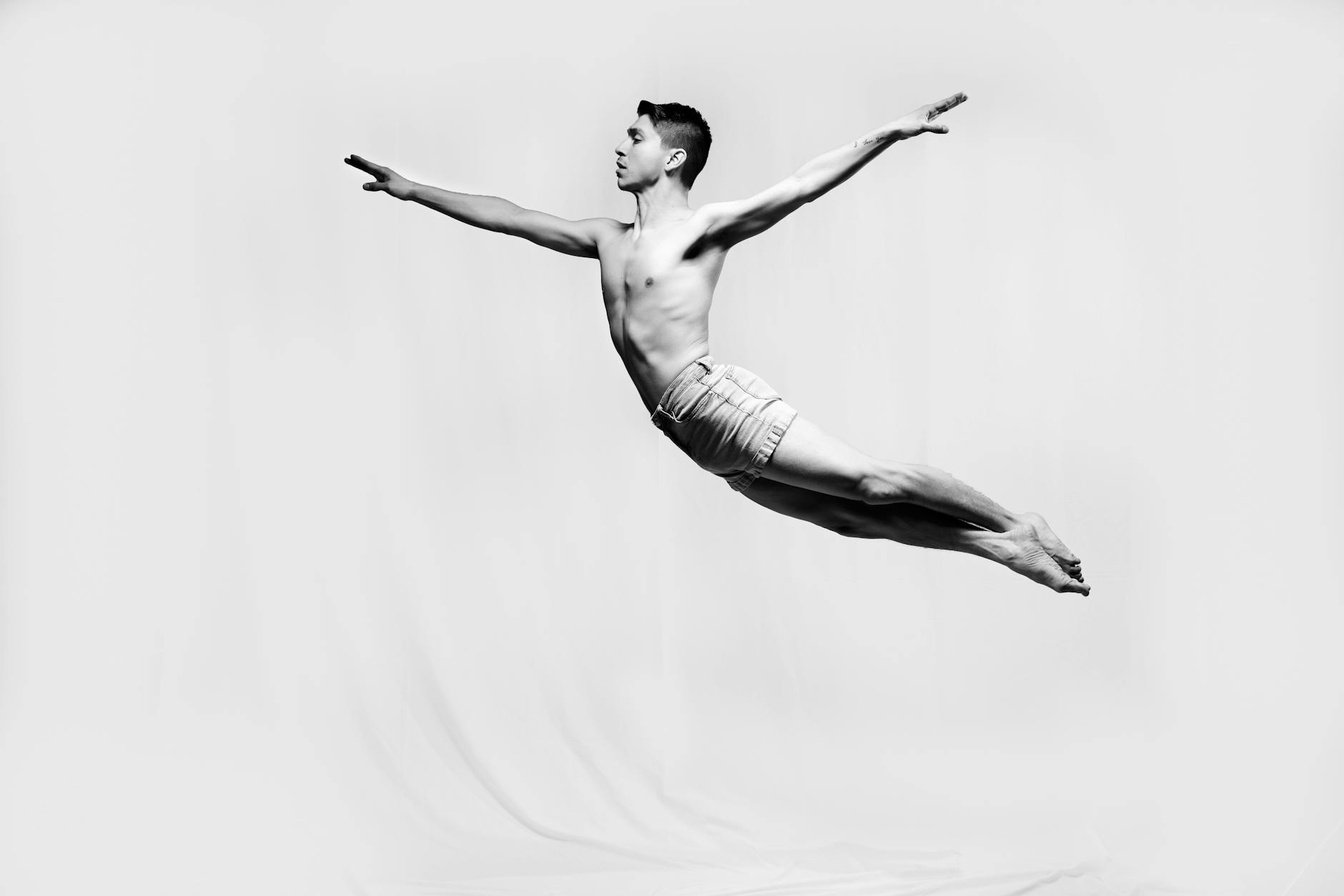
Many people think dance is just about physical skill. This view overlooks the emotional and communicative aspects of movement. Dance encompasses various styles and forms that people often confuse. After reading, the reader will better understand the depth of dance beyond mere technique.
Understanding Dance: An Art Form of Body Movement and Expression
Unlocking the Power of Movement
Dance is a universal language that transcends cultural barriers, allowing individuals to express emotions, tell stories, and connect with others. From ballet to hip-hop, each dance style carries its own unique narrative. The power of movement lies in its ability to convey feelings without words; a simple sway can communicate joy, while a sharp turn may express frustration.
Contemporary dance often blends various styles to portray complex emotions. A dancer might use fluid movements to represent serenity, contrasting with sudden, jagged motions that signify turmoil. This interplay invites audiences to interpret performances in personal ways.
How it Works: The Science Behind Dance
The mechanics of dance involve coordination, balance, and rhythm, all rooted in our body’s physiology. When we dance, our brains process visual and auditory stimuli, enabling us to synchronize our movements with music. Research shows that dancing activates multiple areas of the brain, enhancing cognitive function and memory.
- Coordination: Key for executing complex steps like pirouettes or breakdancing freezes.
- Balance: Essential for maintaining poise during intricate movements.
- Rhythm: Helps dancers stay in sync with the music’s tempo.
Breaking Down Misconceptions
Many believe that dance is solely about physical ability or technical skill. However, dance is also an emotional outlet and form of communication. It is not limited to professional dancers; anyone can express themselves through movement. Social dances like salsa or swing invite participation from all skill levels, fostering community and connection.
Some people think dance requires years of training to be valid. Yet spontaneous forms like freestyle allow individuals to explore their creativity without formal instruction.
The Role of Improvisation in Creativity
Improvisation is a crucial aspect of many dance forms, allowing dancers to explore their creativity in real-time. In styles such as jazz or modern dance, performers often create movements spontaneously based on their emotions or the surrounding environment. This element of surprise can lead to unique performances that resonate deeply with audiences.
An example is the “jam” sessions found in street dance culture, where dancers showcase their skills and experiment with new moves on the spot. This freedom fosters innovation and pushes boundaries within the art form.
Cultural Fusion and Global Influence
Dance reflects cultural identity and promotes understanding among diverse communities. As cultures intermingle, so do their dance styles. For instance, Bollywood dance incorporates elements from classical Indian dance and Western pop culture, creating a vibrant fusion that appeals globally.
- Samba: Originating from Brazil, combines African rhythms with Portuguese influences.
- Ballet Folklorico: Mexican folk dance that showcases regional traditions through its movements and costumes.
Technology’s Influence on Modern Dance
Advancements in technology have transformed how we experience and create dance. Digital platforms allow choreographers to share their work globally, reaching wider audiences than ever before. Additionally, motion capture technology enables artists to analyze movement patterns and enhance choreography through data-driven insights.
The rise of online tutorials has democratized access to dance education, allowing individuals worldwide to learn various styles from home. Virtual reality (VR) is also emerging as a tool for immersive dance experiences, letting participants engage with performances in innovative ways.
The Future of Dance: Trends and Innovations
The future of dance promises exciting developments influenced by societal changes and technological advancements. Trends such as virtual performances are gaining traction as artists adapt to new platforms for sharing their work. Collaborative projects between dancers and technologists are also on the rise, leading to groundbreaking performances that blend art with science.
As society continues to evolve, so will the themes explored in dance, addressing issues like social justice and mental health through movement. Ultimately, the future of dance will reflect our collective experiences while pushing creative boundaries further than ever before.
In summary, dance is an intricate blend of art, culture, emotion, and physicality. It continues to evolve while remaining a powerful tool for self-expression across generations and cultures. Whether through traditional forms or modern innovations, dancing remains a vital aspect of human connection.
Sources
- Dance – Wikipedia
- sound-heritage.ac.uk
- web.archive.org
- books.google.com
- doi.org
- www.jstor.org
- web.archive.org
- en.chnmuseum.cn
- search.worldcat.org
- books.google.com
- search.worldcat.org
Afterword
This observation highlights a common misconception about dance, emphasizing that it is not solely about physical ability. The emotional and expressive elements are equally important, enriching the overall experience of dance.
Why do you keep falling for the same type?
Read the article Lovemaps: the hidden blueprint of our love.
Did you not find what you were looking for? Let me help you find more.
