
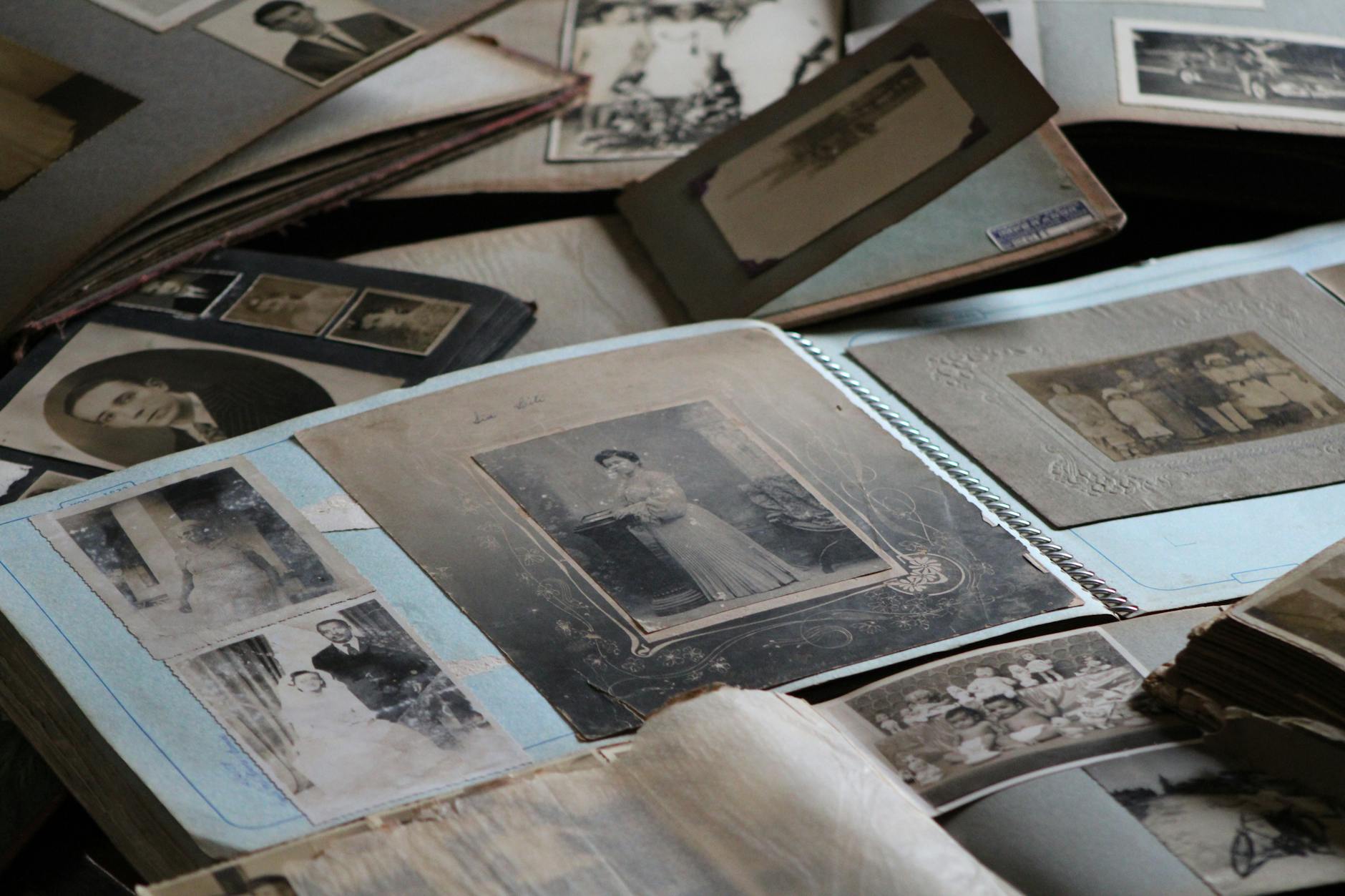
Understanding Genealogy: The Study of Family Lineage and History
Genealogy is the study of family lineage, history, and bloodlines. It allows individuals to trace their ancestry, explore their family’s past, and understand their heritage. This pursuit impacts those seeking to connect with their roots or learn about potential hereditary health issues, as well as communities that value historical narratives.
Genealogists use oral interviews, historical records, genetic analysis, and other evidence to gather information about family members and demonstrate kinship and pedigrees. The results are often displayed in charts or written narratives. Family history encompasses not just lineage but also broader community and biographical contexts.
The Personal Connection
Many people engage in genealogy out of a personal curiosity about their heritage. This interest is particularly strong among those whose family histories have been lost or obscured due to adoption or separation. Understanding one’s ancestry can help fill gaps in identity and provide insights into hereditary diseases that may run in families.
Unlocking Family Stories
Genealogy helps preserve family stories that might otherwise fade with time. Through research, individuals can connect with their ancestors’ experiences, discovering the struggles they faced and celebrating their achievements. These narratives foster a sense of belonging and continuity across generations.
How Genealogy Works: The Basics of Lineage Research
Gathering Information
The first step in genealogical research involves collecting information from various sources. This includes family documents such as birth certificates, marriage licenses, and photographs. Oral histories from relatives also provide valuable insights into family lore.
Building Family Trees
After gathering initial information, genealogists create family trees that visually represent relationships among relatives. These trees can include details such as dates of birth and death, marriages, and significant life events. They serve as a foundation for further research.
Utilizing DNA Testing
DNA testing has revolutionized genealogy by providing another layer of evidence for ancestry research. Tests can reveal genetic connections between individuals and help trace lineage through maternal or paternal lines. This method can confirm or challenge existing family narratives.
Common Misconceptions About Genealogy
It’s Just for the Experts
A common belief is that genealogy requires professional expertise. In reality, anyone with an interest can start researching their family history using available resources and tools.
All Records Are Accurate
Many assume that genealogical records are always accurate; however, errors can occur due to transcription mistakes or misinformation provided by informants. It’s essential to verify information through multiple sources.
Genealogy Is Only About Names and Dates
While names and dates are fundamental to genealogy, the field also focuses on understanding the lives of ancestors, including their occupations, social conditions, and historical contexts. This helps researchers connect emotionally with their family histories.
The Digital Revolution: Tools and Resources at Your Fingertips
Online Databases and Platforms
The internet has transformed the accessibility of genealogical information. Numerous online databases allow users to search historical records from various regions worldwide. Websites provide extensive resources for both amateur and professional genealogists.
Mobile Apps for On-the-Go Research
Mobile apps have made it easier than ever to conduct genealogy research on the go. Users can access databases, record findings, and collaborate with others directly from their smartphones or tablets.
The Role of DNA in Family History Exploration
Understanding Genetic Ancestry Tests
Genetic ancestry tests analyze DNA markers passed down through generations. Mitochondrial DNA reveals maternal lineage while Y-DNA traces paternal lines. Autosomal DNA provides insights into all ancestral lines.
Interpreting Your Results
Interpreting DNA test results requires careful analysis of connections revealed through genetic matches with other individuals in databases. These results can lead to discovering previously unknown relatives or confirming existing theories about ancestry.
Challenges in Genealogical Research: What to Watch For
Record Availability and Accessibility
The availability of records can vary significantly based on location and historical context. Some records may be lost or damaged due to natural disasters or war. Researchers must often navigate complex legalities regarding access to certain documents.
Dealing with Inaccuracies and Gaps
Inaccuracies in records present challenges for genealogists. Gaps may arise due to missing documents or conflicting information across sources. It’s important for researchers to approach findings with skepticism and cross-reference data wherever possible.
A Practical Guide to Getting Started
Step-by-Step Research Process
A typical genealogical research process involves starting with known information about oneself and working backward through generations. Creating detailed notes about each ancestor will help maintain clarity as more data is gathered.
Connecting with Others in the Field
Camaraderie among genealogists is prevalent; many join groups or societies focused on specific regions or topics within genealogy. These networks provide support, shared resources, and opportunities for collaboration on challenging cases.
The Future of Genealogy: Trends to Watch
The Impact of Artificial Intelligence
The integration of artificial intelligence in genealogical research is on the rise. AI can assist in analyzing vast amounts of data quickly, enhancing accuracy in identifying relationships among individuals based on records.
Crowdsourcing Historical Data
Crowdsourcing projects encourage volunteers to contribute to historical databases by transcribing records or sharing personal stories related to genealogy. This collaborative effort enriches collective knowledge while making it more accessible for future generations.
Your family’s history is a treasure trove waiting to be discovered. Whether motivated by curiosity or a desire for connection, exploring your genealogy can offer profound insights into where you come from and how you fit into the broader tapestry of human history.
Sources
- Genealogy – Wikipedia
- en.wiktionary.org
- lib.ugent.be
- www.etymonline.com
- web.archive.org
- www.sog.org.uk
- web.archive.org
- www.merriam-webster.com
- www.merriam-webster.com
- www.merriam-webster.com
- www.ngsgenealogy.org
Why do you keep falling for the same type?
Read the article Lovemaps: the hidden blueprint of our love.
Did you not find what you were looking for? Let me help you find more.
