
Many people confuse industrial design with simply making things look good. While aesthetics are a part of it, the focus is also on functionality and user experience. This topic involves the design of products for mass production, where both form and function are crucial. After reading, you will better understand the balance between these elements in industrial design.
Understanding Industrial Design: Process and Key Concepts
Industrial design is the process of designing physical products intended for mass production, focusing on optimizing both form and function to meet user needs. It impacts everyone who interacts with designed products, from consumers to manufacturers. This discipline involves determining a product’s appearance and features before it is manufactured, distinguishing it from craft-based design, where the creator determines the form during production. Industrial design prioritizes efficiency and consistency in mass production while ensuring that products are user-friendly and visually appealing.
How It Works: The Journey from Concept to Creation
Research and Ideation
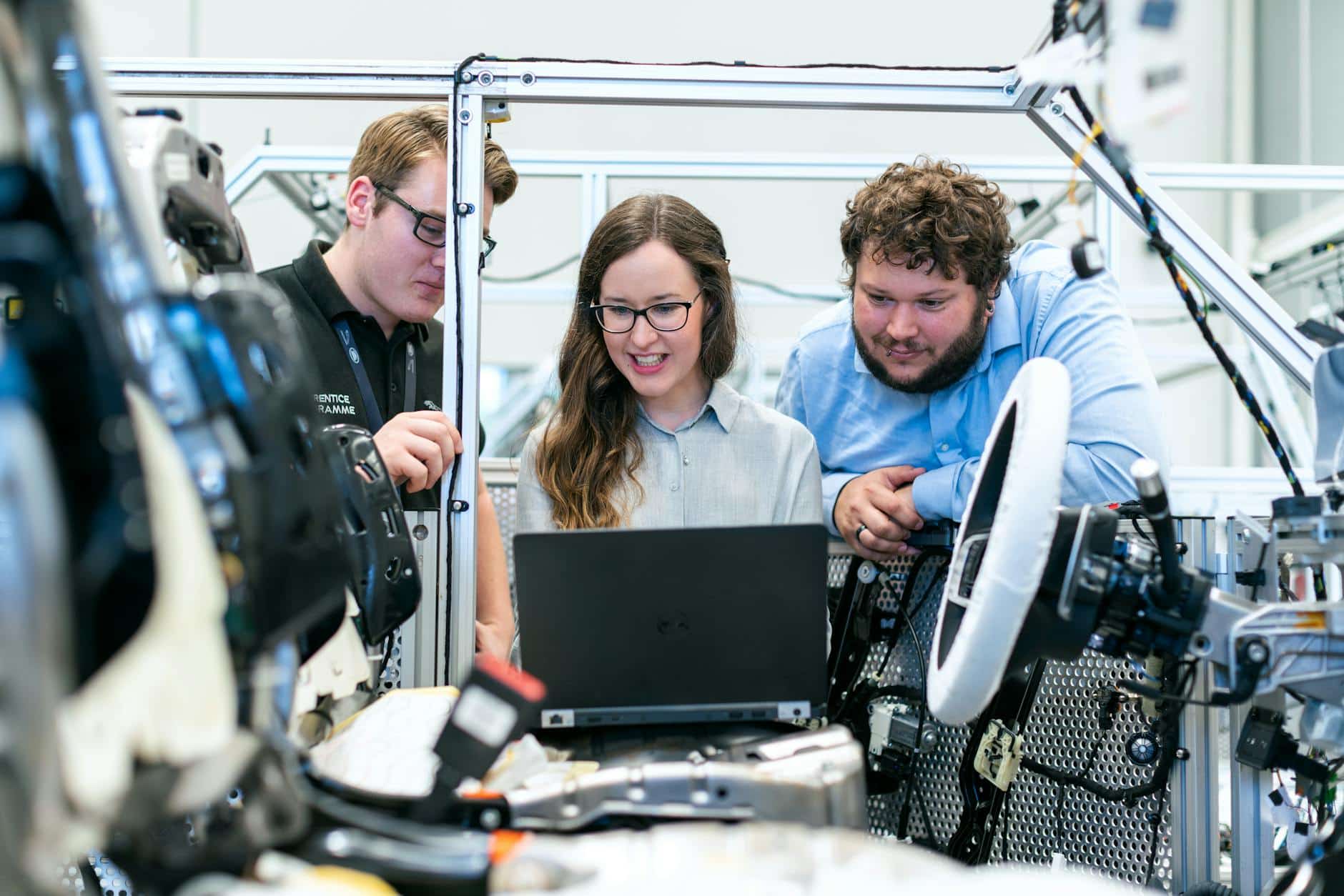
The first stage in industrial design involves extensive research and ideation. Designers gather information about market trends, user needs, and technological advancements. They brainstorm ideas, sketch concepts, and use various techniques to refine their visions. Input from diverse team members,including designers, engineers, and marketers,ensures a well-rounded approach. This collaborative effort is crucial for identifying challenges that the product can solve.
Prototyping and Testing
Once ideas are solidified, designers create prototypes to bring concepts to life. Prototyping can involve creating physical models or digital simulations using 3D software. Testing these prototypes helps identify flaws in usability or design before full-scale production begins. Feedback from testing informs necessary adjustments, ensuring the final product meets user expectations and functions effectively.
Breaking Down the Elements of Effective Design
Aesthetics vs. Functionality
Effective industrial design balances aesthetics with functionality. A visually striking product may attract attention, but if it lacks usability, it will not succeed in the market. Designers must navigate this balance by considering how users will interact with the product while ensuring it looks appealing. For instance, a beautifully designed chair must also provide comfort and support.
User Experience and Ergonomics
User experience (UX) plays a vital role in industrial design. Designers focus on how users will engage with a product, ensuring it is intuitive and satisfying to use. Ergonomics,the study of how products fit human use,is key here; a well-designed product must accommodate users’ physical needs. For example, kitchen tools should be easy to handle while cooking, reducing strain on the hands and wrists.
Common Misconceptions About Industrial Design
Myth: It’s All About Looks
A common misconception is that industrial design focuses solely on aesthetics. In reality, while appearance matters, functionality is equally critical. Designers strive for a harmonious blend of beauty and practicality to create successful products that resonate with consumers.
Myth: Only Big Companies Use Industrial Designers
Another misconception is that only large corporations employ industrial designers. In fact, businesses of all sizes benefit from good design practices. Small startups often rely on effective industrial design to compete in the market by creating unique products that stand out.
The Role of Technology in Modern Industrial Design
Digital Tools and 3D Printing
Advancements in technology have transformed industrial design practices significantly. Digital tools enable designers to create detailed 3D models quickly, allowing for rapid iterations during the prototyping phase. Additionally, 3D printing has revolutionized prototyping by enabling designers to produce physical models swiftly and cost-effectively, facilitating real-world testing.
Sustainability and Eco-Friendly Practices
Modern industrial design increasingly emphasizes sustainability. Designers are now tasked with considering environmental impact during the design process. This involves selecting eco-friendly materials, minimizing waste during production, and designing for longevity,ensuring products remain useful for as long as possible without harming the planet.
The Future of Industrial Design: Trends to Watch
Smart Products and IoT Integration
The rise of smart technology is shaping the future of industrial design. Products are increasingly integrated with Internet of Things (IoT) capabilities, allowing them to communicate with users and other devices for enhanced functionality. For example, smart home appliances can be controlled remotely via smartphones or voice assistants.
Inclusive Design for Diverse Users
Inclusive design aims to create products accessible to everyone, regardless of ability or age. As society becomes more aware of diversity issues, designers are prioritizing inclusivity in their work by considering various user perspectives during the design process. This approach not only broadens market reach but also fosters a sense of community among users.
Conclusion
Industrial design is an essential discipline that shapes our interaction with everyday objects, ensuring they are functional and aesthetically pleasing. By understanding its processes,from research and ideation to prototyping and testing,people can appreciate how much thought goes into the products they use daily. As technology advances and societal needs evolve, industrial design will continue to adapt, leading to innovative solutions that enhance our quality of life.
Sources
- Industrial design – Wikipedia
- usabilitybok.org
- web.archive.org
- web.archive.org
- design.designmuseum.org
- archive.org
- archive.org
- www.cmu.edu
- web.archive.org
- www.sciencedaily.com
- web.archive.org
Afterword
The observation highlights a common mix-up about industrial design, emphasizing that it's not just about appearance but also about how well products work for users. This distinction is essential for grasping the full scope of industrial design.
Why do you keep falling for the same type?
Read the article Lovemaps: the hidden blueprint of our love.
Did you not find what you were looking for? Let me help you find more.
