
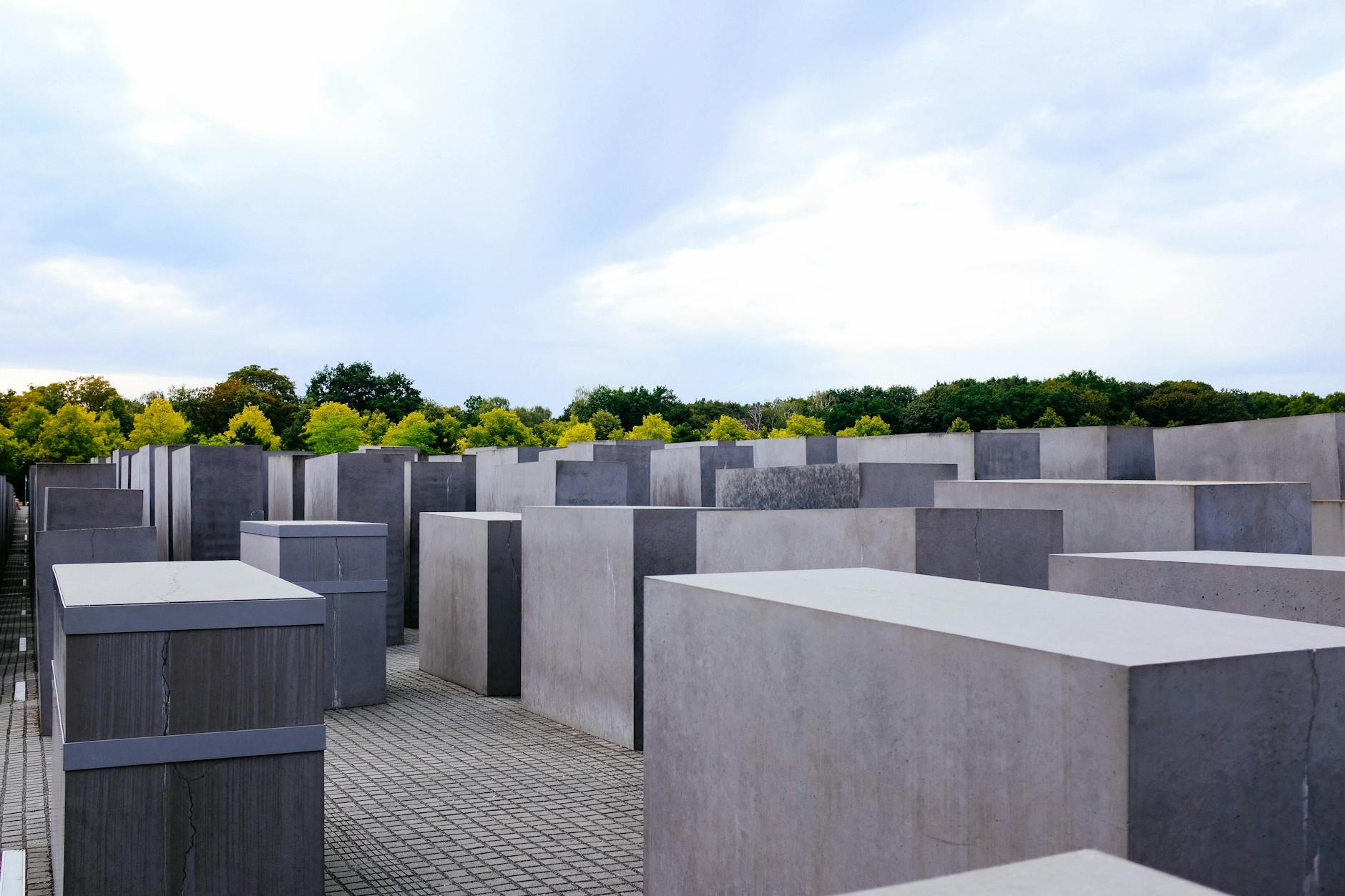
Why Modernity Matters Today
Modernity is a term that describes both a historical period and a set of cultural norms that emerged following the Renaissance and the Enlightenment. Understanding modernity is essential as it influences various aspects of our lives, including daily routines and global politics, shaping our perceptions of ourselves and our place in the world.
Modernity refers to a historical period known as the modern era, characterized by specific socio-cultural norms, attitudes, and practices that began during the Age of Enlightenment in the 17th and 18th centuries. Some scholars suggest that modernity ended around 1930 with World War II, while others argue it continued into the late 20th century, leading to what is often referred to as postmodernity.
Connecting Past to Present
Modernity connects past events to current experiences, with roots in significant historical movements like the Renaissance and the Enlightenment. These periods sparked new ways of thinking that emphasized reason, science, and individualism. As societies transitioned from agrarian structures to industrialized economies, profound changes occurred in social organization and cultural expression.
The Impact on Daily Life
The effects of modernity permeate everyday life. From technology to social interactions, modernity shapes how we communicate, work, and live. Technological innovations enhance convenience and efficiency. Socially, modernity fosters diversity but can also lead to feelings of alienation as traditional connections weaken.
The Evolution of Ideas
Key Thinkers and Their Contributions
Many influential thinkers have shaped the landscape of modernity. Niccolò Machiavelli's pragmatic approach to politics shifted perspectives on governance. Enlightenment philosophers such as John Locke and Jean-Jacques Rousseau developed ideas about individual rights and social contracts, laying foundations for modern democratic thought.
Shifts in Worldview
Modernity brought significant changes in worldview by encouraging individuals to question established norms and beliefs. This shift opened doors to new ideologies while also sparking conflicts as traditional values faced challenges from emerging thoughts.
How it Works: The Mechanisms of Change
Technological Innovations
Technological advancements are central to modernity. The development of printing presses revolutionized information dissemination, paving the way for mass literacy and education. Innovations in transportation and communication transformed societies, enabling global interactions previously deemed impossible.
Social Movements and Their Effects
Social movements have played a crucial role in shaping modern society. Movements advocating for civil rights, gender equality, and environmental sustainability illustrate how people mobilize for change. These movements reflect societal shifts and influence policies and cultural attitudes.
Common Myths About Modernity
Myth: Modernity Equals Progress
A common misconception is that modernity inherently leads to progress. While many advancements have improved lives, they have also resulted in challenges such as environmental degradation and social inequality. Critical perspectives challenge the notion that all change is beneficial.
Myth: It’s a Universal Experience
Another myth is that modernity is experienced uniformly across cultures. In reality, interpretations of modernity vary widely based on local histories and contexts. Non-Western societies often have distinct experiences that challenge Western-centric narratives of progress.
The Role of Science and Reason
From Enlightenment to Today
The Enlightenment emphasized reason as a guiding principle for understanding the world. This focus on rational thought laid the groundwork for scientific inquiry that continues to shape contemporary society. Science became a tool for innovation but also raised ethical questions regarding its applications.
Scientific Method as a Framework
The scientific method serves as a framework for exploring knowledge within modernity. It encourages systematic investigation based on empirical evidence rather than tradition or superstition. This shift has propelled advancements across various fields but has also sparked debates about its limitations.
Cultural Reflections and Critiques
Art and Literature in Modernity
Modern art emerged as a response to changing perceptions of reality during this era. Artists sought to capture fleeting moments of contemporary life, reflecting society's complexities through innovative techniques. Literature evolved as well, with writers exploring themes of alienation and identity amid rapid change.
Counter-Movements and Dissent
Counter-movements challenge dominant narratives established by modernity. They often arise from dissatisfaction with social conditions or ideological frameworks perceived as oppressive or reductive. These dissenting voices contribute to ongoing dialogues about what it means to be modern.
The Future of Modernity
Emerging Trends and Challenges
As society evolves, new trends emerge within the framework of modernity. Globalization continues to influence cultures worldwide while raising concerns over cultural homogenization. Technology plays an increasing role in shaping identities but also presents ethical dilemmas regarding privacy and control.
Sustainability and Global Perspectives
Looking forward, sustainability becomes essential in discussions about modernity's future. As climate change poses significant threats globally, there is an urgent need for innovative solutions that balance progress with ecological responsibility. Diverse viewpoints must be considered to address these challenges effectively.
In summary, understanding modernity reveals its profound impact on our lives today,from technology to culture,and helps us navigate its complexities as we move into an uncertain future.
Sources
- Modernity – Wikipedia
- en.wiktionary.org
- en.wiktionary.org
- en.wiktionary.org
- doi.org
- www.jstor.org
- www.jstor.org
- monoskop.org
- nottingham-repository.worktribe.com
- doi.org
- doi.org
Why do you keep falling for the same type?
Read the article Lovemaps: the hidden blueprint of our love.
Did you not find what you were looking for? Let me help you find more.
