
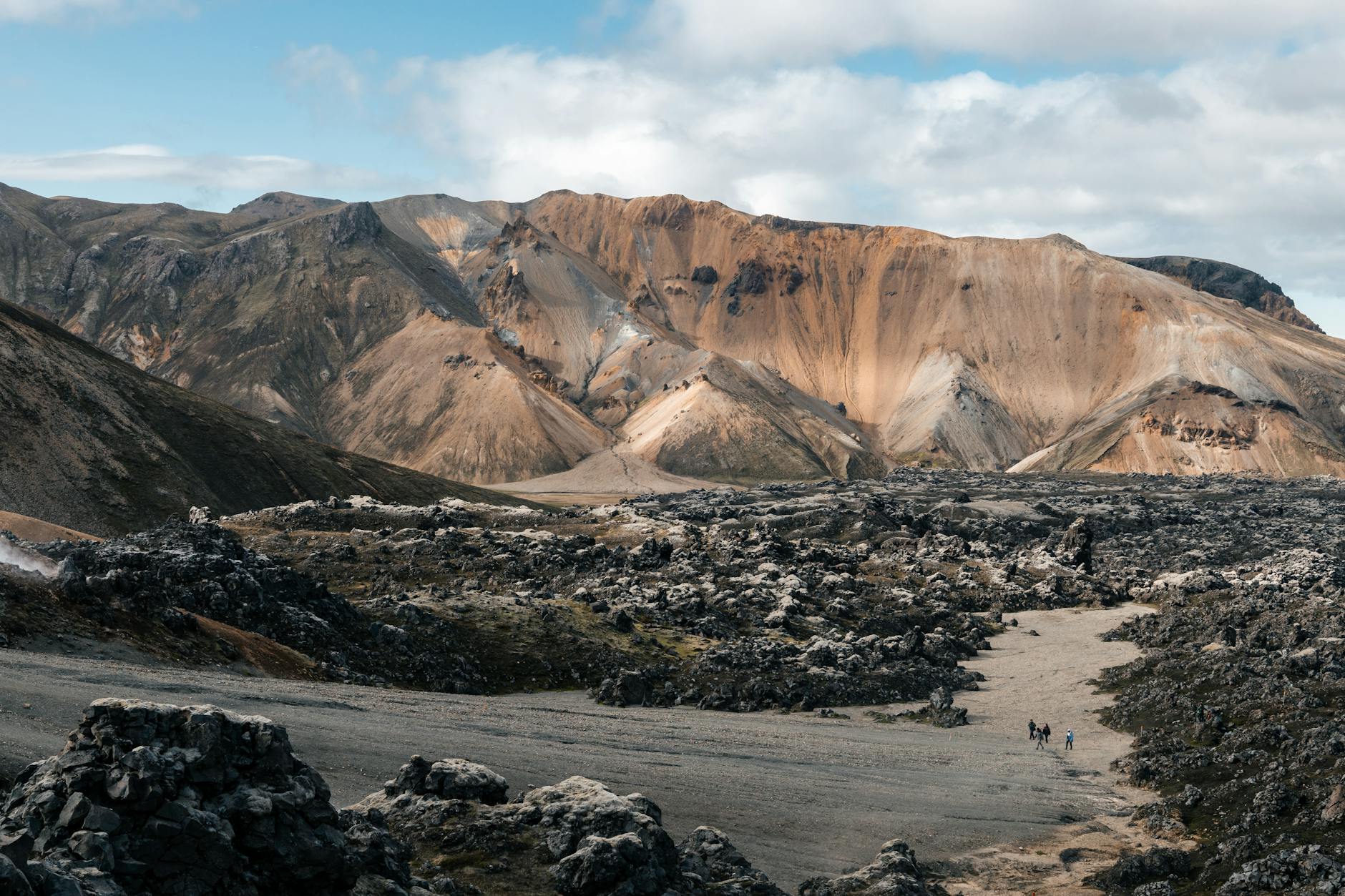
Unlocking Earth’s Secrets: The Ground Beneath Our Feet
Plate tectonics is a fundamental concept in geology that explains the movement of Earth’s lithosphere, the rigid outer layer of our planet. This movement shapes landscapes, causes earthquakes, and influences volcanic activity. Understanding plate tectonics helps us comprehend natural phenomena and reveals the dynamic processes that have shaped Earth over millions of years.
What You Can Feel: Everyday Effects of Plate Movement
The effects of plate tectonics are evident in various natural events. For instance, the gradual shifting of tectonic plates can lead to:
- Earthquakes: Sudden movements along fault lines can result in tremors felt by people living nearby.
- Volcanic eruptions: When plates pull apart or collide, magma can rise to the surface, leading to explosive events.
- Mountain formation: The collision of plates can create towering mountain ranges, such as the Himalayas.
The Building Blocks of Plate Tectonics
The Earth’s lithosphere is divided into several large and small plates that float on the semi-fluid asthenosphere beneath. The main types of tectonic plates include:
- Continental Plates: These are thick and primarily composed of granite, forming continents.
- Oceanic Plates: Thinner and denser, these plates form ocean floors and are primarily made up of basalt.
How It Works: The Mechanics of Movement
Tectonic plates move due to forces generated by heat from Earth’s interior. This heat causes convection currents in the mantle, leading to the movement of plates. Key mechanisms include:
- Divergent Boundaries: Plates move apart, creating new crust as magma rises to the surface at mid-ocean ridges.
- Convergent Boundaries: Plates collide, causing one plate to be forced below another in a process called subduction.
- Transform Boundaries: Plates slide past each other horizontally, leading to friction and earthquakes along faults.
Common Misconceptions About Plate Tectonics
Despite its significance, several misconceptions about plate tectonics persist. For example:
- Mistaken Identity: Some people think that tectonic plates are static when they are actually in constant motion.
- Misunderstanding Earthquakes: Many believe earthquakes only occur at plate boundaries; however, they can also happen within a plate due to internal stress.
The Impact on Our Planet’s Geography
The movement of tectonic plates has profound effects on Earth’s geography. For instance:
- Iceland: Formed by divergent boundaries where the North American and Eurasian plates pull apart, creating new land.
- The Andes Mountains: Resulting from the subduction of the Nazca Plate beneath the South American Plate.
A Glimpse into the Future: What Lies Ahead for Earth’s Plates?
The continuous movement of tectonic plates will reshape our planet’s geography over time. Future implications include:
- New Ocean Basins: As plates continue to diverge, new ocean basins may form, altering global coastlines.
- Mountain Range Evolution: Existing mountain ranges may continue to rise or erode based on ongoing tectonic activity.
Conclusion: Embracing the Dynamic Nature of Earth
The study of plate tectonics reveals a dynamic Earth constantly changing beneath our feet. By understanding these processes, we gain insights into natural disasters and the geological history that has shaped our world. As we embrace this dynamic nature, we can better prepare for future geological events and appreciate the intricate workings of our planet.
Sources
- Plate tectonics – Wikipedia
- en.wiktionary.org
- en.wiktionary.org
- sideshow.jpl.nasa.gov
- geoltime.github.io
- geoltime.github.io
- geoltime.github.io
- geoltime.github.io
- geoltime.github.io
- ui.adsabs.harvard.edu
- doi.org
Why do you keep falling for the same type?
Read the article Lovemaps: the hidden blueprint of our love.
Did you not find what you were looking for? Let me help you find more.
