
Understanding the Geologic Time Scale and Earth’s History
Why Geologic Time Matters in Everyday Life
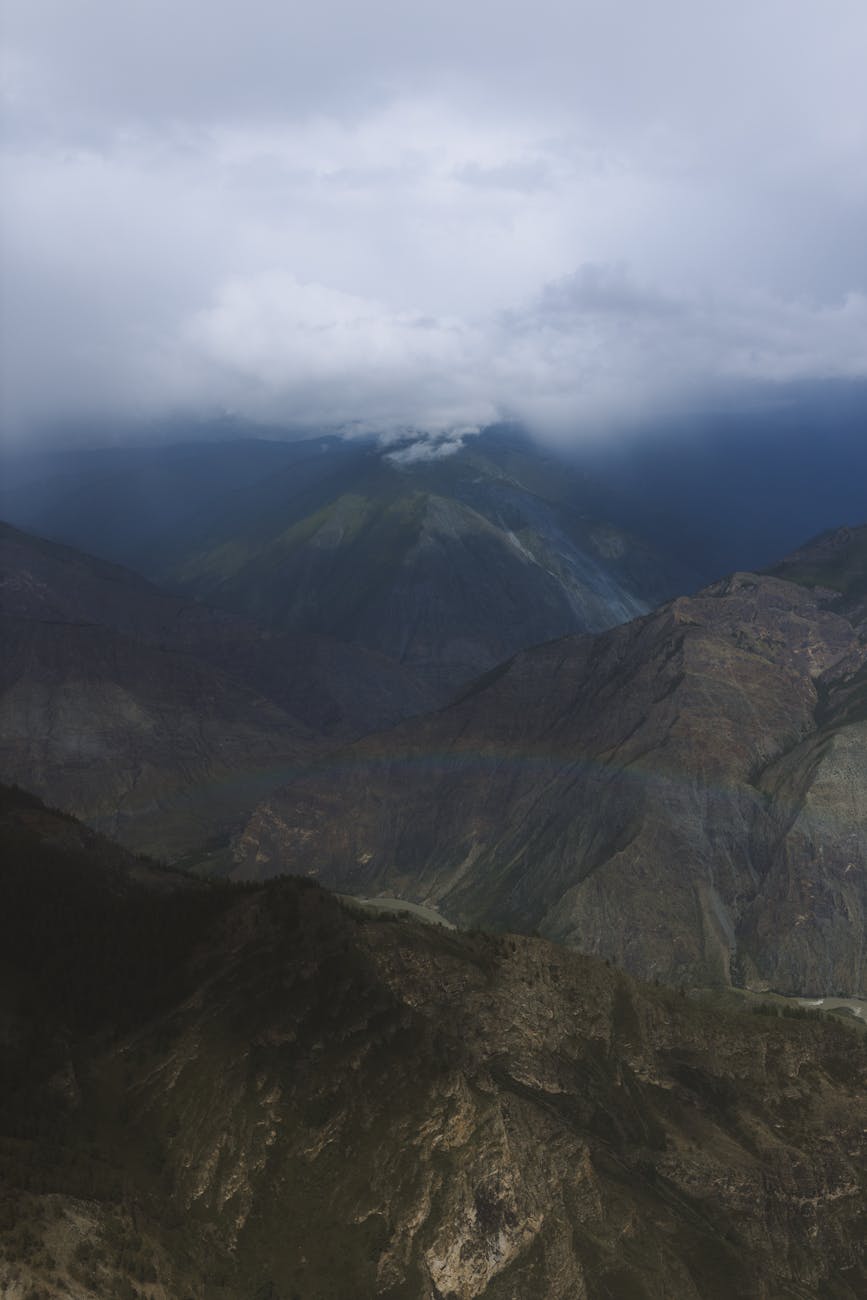
The geologic time scale is not just a scientific tool; it has practical implications for our daily lives. Understanding this scale helps us comprehend natural processes that shape our environment, such as the formation of landscapes and the evolution of ecosystems. For example, when we consider the age of a mountain range, we can infer how long it has taken for tectonic forces to create that landscape. This knowledge is crucial for activities like construction and land use planning.
- Geology informs resource management, such as oil and mineral extraction.
- Knowledge of past climate changes helps predict future trends.
- Awareness of geological hazards aids in disaster preparedness.
Unraveling the Layers of Earth’s History
The Earth’s history is divided into eons, eras, periods, epochs, and ages. The four main eons are Hadean, Archean, Proterozoic, and Phanerozoic, with the Phanerozoic eon being the most recent and rich in life forms. Each division marks significant events in geological or biological history. For instance, the Mesozoic Era is known as the Age of Reptiles, where dinosaurs roamed the planet.
Fossils provide key insights into these layers. The presence of specific fossils can indicate particular periods in Earth’s history, helping scientists date rock layers accurately.
How It Works: The Mechanisms Behind Geologic Time
Geologists use various methods to date rocks and fossils, allowing us to piece together Earth’s timeline. Stratigraphy examines rock layers (strata) to determine their sequence and relative age. Radiometric dating measures isotopes in rocks to calculate their absolute age. For example, carbon-14 dating enables scientists to determine the age of organic materials up to about 50,000 years old. Similarly, uranium-lead dating can date rocks that are billions of years old.
Paleomagnetism studies changes in Earth’s magnetic field recorded in rocks. This information helps reconstruct continental movements and understand geological processes over millennia.
Common Myths About Geologic Time
Misunderstandings about geologic time can lead to confusion. One common myth is that geological time is linear and uniform; however, it often varies significantly across different regions due to tectonic activity. Another myth is that humans have existed for a long time compared to Earth’s age; in reality, humans have been around for only a tiny fraction of Earth’s history,about 200,000 years in a timeline spanning approximately 4.54 billion years.
The Impact of Human Activity on Geological Time
Human activities are now influencing geological processes at an unprecedented rate. The concept of the Anthropocene has emerged to describe this current epoch characterized by significant human impact on Earth’s geology and ecosystems. Activities such as mining, deforestation, and urbanization are altering landscapes and affecting biodiversity.
- Climate change caused by human actions is leading to rapid shifts in ecosystems.
- Pollution is affecting sediment layers in oceans and rivers.
- Extinction rates are accelerating due to habitat destruction.
Future Directions in Geologic Research
The future of geologic research lies in integrating advanced technologies such as remote sensing and artificial intelligence to analyze geological data more efficiently. Scientists are also focusing on understanding past climate patterns through ice core samples and sediment analysis to better predict future environmental changes. These insights will be vital for addressing challenges like climate change and natural resource management.
Conclusion: Embracing Our Place in Time
The geologic time scale provides a framework for understanding Earth’s history and our place within it. By grasping this complex timeline, we can appreciate not only the vastness of geological processes but also our responsibility toward the planet. As stewards of Earth, recognizing our impact on geological time encourages informed decision-making that respects both nature’s rhythms and humanity’s needs.
Sources
- Geologic time scale – Wikipedia
- geoltime.github.io
- geoltime.github.io
- geoltime.github.io
- geoltime.github.io
- geoltime.github.io
- geoltime.github.io
- geoltime.github.io
- geoltime.github.io
- geoltime.github.io
- geoltime.github.io
Why do you keep falling for the same type?
Read the article Lovemaps: the hidden blueprint of our love.
Did you not find what you were looking for? Let me help you find more.
