
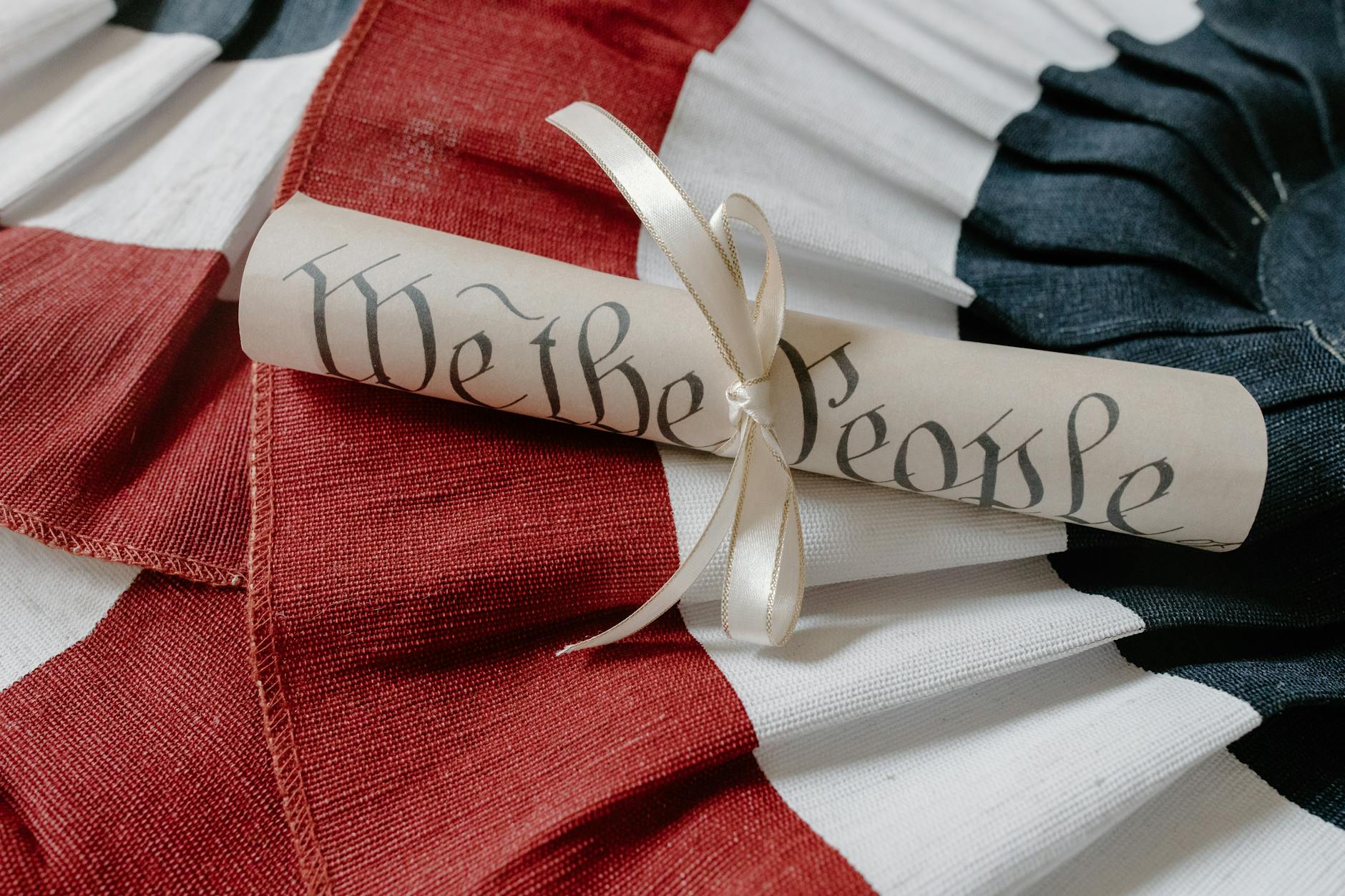
Understanding the Legacy of Aaron Burr
Aaron Burr, who served as the third vice president of the United States from 1801 to 1805, remains a polarizing figure in American history. His actions, including the infamous duel with Alexander Hamilton and his treason trial in 1807, have left a lasting impact on the political landscape of the nation.
Burr (1756-1836) was an American politician and lawyer whose reputation as a Founding Father is overshadowed by his controversial actions. He is often depicted as a villain due to his killing of political rival Alexander Hamilton in a duel and his subsequent treason trial.
Why He Matters Today
Burr’s life and career highlight the complexities of early American politics. His rise and fall illustrate how ambition, rivalry, and personal conflicts can shape political narratives. Understanding Burr’s legacy helps us grasp the foundational tensions present in American democracy today.
A Figure of Controversy
Burr’s reputation was deeply affected by his actions. The duel with Hamilton not only cost him a powerful political ally but also marked him as a notorious figure in American history. His trial for treason further complicated his legacy, transforming him into a symbol of political intrigue and moral ambiguity.
How His Decisions Shaped a Nation
Political Maneuvering in a Young Democracy
Burr was born on February 6, 1756, in Newark, New Jersey, to an influential family. Orphaned at two, he was raised by his wealthy uncle Timothy Edwards. Despite facing adversity, Burr excelled academically, enrolling at Princeton University at just 13 years old. He initially pursued theology but switched to law after graduating.
During the American Revolutionary War, Burr joined the Continental Army and quickly gained recognition for his bravery during the failed invasion of Quebec under Colonel Benedict Arnold. Following the war, he established a successful law practice in New York City, where he became known for his sharp legal mind.
Impact on Federalism and States’ Rights
Burr entered politics in 1784 as a member of the New York State Assembly, where he proposed legislation aimed at freeing slaves born after a certain date. His political career continued to ascend as he became New York’s attorney general before being elected to the U.S. Senate in 1791. Aligning himself with the Democratic-Republican Party, he opposed the Federalists’ push for a strong national government.
By 1796, Burr was eyeing higher office and campaigned for president but came fourth in electoral votes behind John Adams and Thomas Jefferson. His ambitions were thwarted again when he lost his Senate seat to Philip Schuyler, Hamilton’s father-in-law.
How It Works: The Political Landscape of Early America
The Role of the Vice Presidency
In the presidential election of 1800, Burr ran for vice president alongside Jefferson. After tying with Jefferson at 73 electoral votes each, Burr’s silence left the decision to the Federalist-controlled House of Representatives. Ultimately, Jefferson was chosen as president with Burr becoming vice president.
However, their relationship soured quickly. Jefferson did not trust Burr and excluded him from major decisions within his administration. Burr’s resentment grew as he began to support Federalist policies out of spite.
Power Dynamics Between Federalists and Democratic-Republicans
The rivalry between these parties shaped much of the early political landscape in America. While Federalists sought to strengthen national authority, Democratic-Republicans advocated for states’ rights and an agrarian economy. Burr maneuvered within this environment to serve his interests but ultimately faced backlash from both sides.
Common Myths Surrounding Aaron Burr
The Duel: More Than Just a Fight
The iconic duel between Burr and Hamilton on July 11, 1804, is often oversimplified as merely an act of personal animosity. It stemmed from political rivalry and public slander that escalated into violence when Hamilton refused to retract his derogatory comments about Burr’s character. This event irrevocably altered Burr’s public image and career trajectory.
Burr as a Villain: A Misunderstood Figure?
Burr’s portrayal as a villain overlooks his contributions to early American politics. While many view him through the lens of his duel with Hamilton or his treason trial, understanding his motivations reveals a more nuanced character driven by ambition and survival in a turbulent political environment.
The Duel that Changed Everything
Context and Consequences
The aftermath of the duel had significant ramifications. Hamilton’s death shocked the nation and left Burr vilified in public opinion. Accusations of murder followed him, effectively ending his political career and leaving him isolated from both Democratic-Republicans and Federalists.
The Aftermath for Burr’s Career
After serving one term as vice president, Burr’s ambitions crumbled further when he attempted to govern New York but lost again due to persistent opposition from Hamilton supporters. Frustrated by continual setbacks and feeling politically abandoned, Burr sought new opportunities westward after leaving office.
Aaron’s Influence on American Identity
Cultural Representations Over Time
Burr’s life has been depicted in various cultural forms over time, often emphasizing themes of ambition and betrayal. These representations reflect society’s fascination with figures who challenge norms while also embodying moral complexity.
Burr’s Role in Defining American Politics
Burr played an essential role in shaping early American politics through his actions that highlighted stark partisan divides. His strategies exemplified how personal ambition could intertwine with larger political movements during America’s formative years.
Lessons from Burr’s Life for Modern Politics
Ethics in Leadership
Burr’s life offers crucial lessons about ethics in leadership. His willingness to prioritize personal gain over principles serves as a cautionary tale about potential pitfalls faced by those seeking power without moral considerations.
The Importance of Reputation and Legacy
The legacy left by Aaron Burr is multifaceted; it serves as a reminder that actions have consequences that resonate far beyond one’s lifetime. Reputation plays a critical role in shaping how history remembers figures like Burr,complex individuals whose lives reflect broader societal struggles.
Burr’s journey through ambition, rivalry, tragedy, and controversy continues to provoke thought about leadership and morality within our political systems today.
Sources
Why do you keep falling for the same type?
Read the article Lovemaps: the hidden blueprint of our love.
Did you not find what you were looking for? Let me help you find more.
