
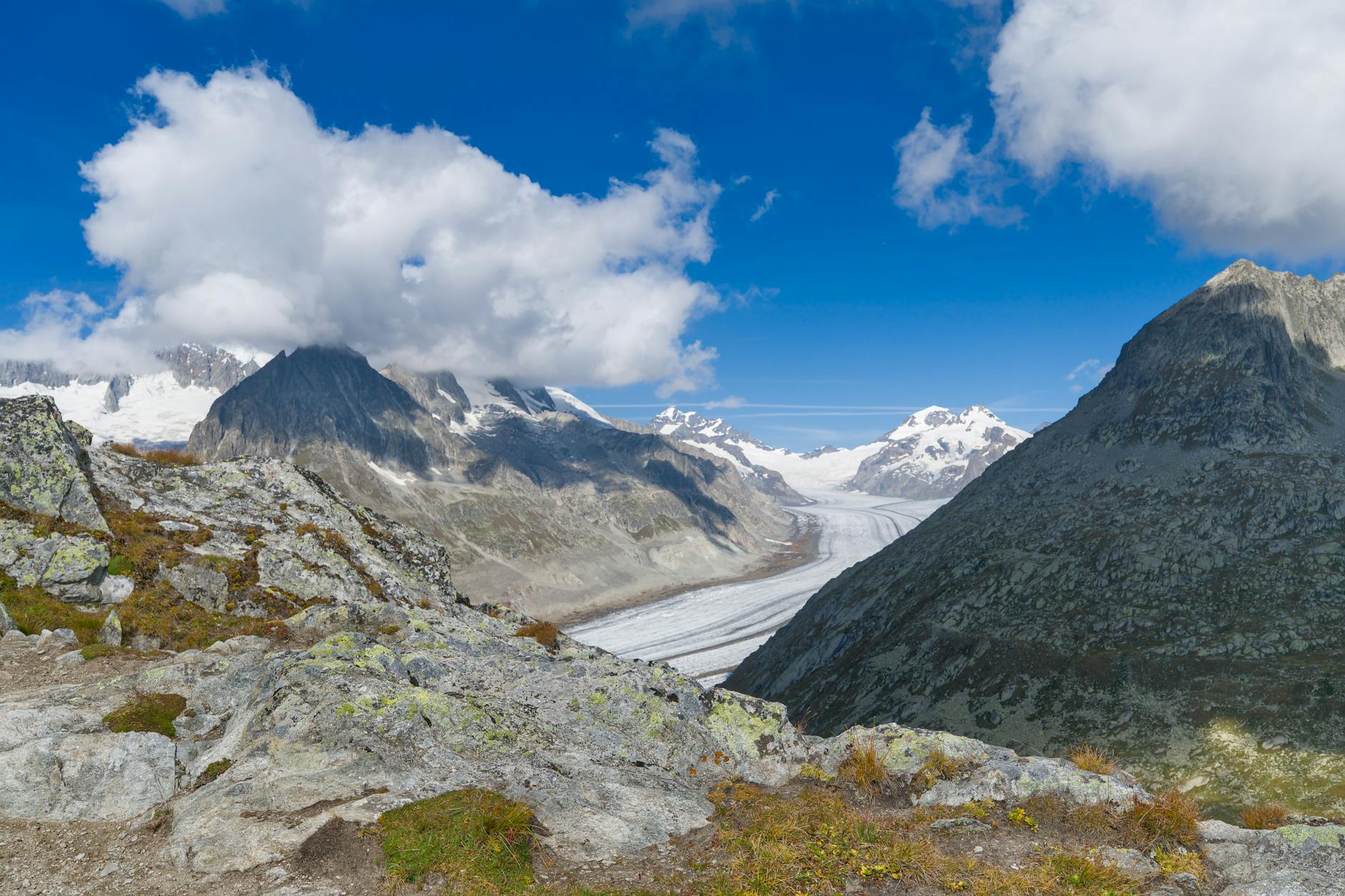
Unlocking Earth’s Ancient Secrets
The Proterozoic Eon, spanning from 2.5 billion to 539 million years ago, is a crucial period in Earth’s history. It was marked by significant geological and biological developments that laid the foundation for life as we know it today. This eon is the longest on the geologic time scale and follows the Archean Eon, preceding the Phanerozoic Eon.
During the Proterozoic, Earth underwent transformative changes, including the appearance of free oxygen in the atmosphere and the evolution of early multicellular organisms. These events were instrumental in shaping our planet’s environment and life forms.
Why the Proterozoic Matters Today
The Proterozoic Eon is vital for understanding how Earth transformed into a habitable planet. It witnessed dramatic changes in atmospheric composition, primarily due to the Great Oxygenation Event, which allowed for the proliferation of more complex life forms. This eon also set the stage for major geological processes that continue to influence our planet today.
Lessons from the Past
Studying the Proterozoic helps scientists learn about Earth’s early conditions and their relevance to current environmental challenges. Understanding these ancient processes provides context for ongoing issues like climate change and biodiversity loss, highlighting how past events can inform future decisions regarding Earth’s ecosystems.
A Journey Through Time
The Proterozoic Timeline
The Proterozoic Eon is divided into three eras: Paleoproterozoic, Mesoproterozoic, and Neoproterozoic. Each era hosts distinct geological and biological milestones:
- Paleoproterozoic (2.5 – 1.6 billion years ago): This era marked the transition to an oxygenated atmosphere due to photosynthetic organisms.
- Mesoproterozoic (1.6 – 1 billion years ago): During this time, multicellular life began to evolve, although it remained relatively simple.
- Neoproterozoic (1 billion – 539 million years ago): This era saw significant glaciations and the emergence of more complex organisms leading to the Cambrian Explosion.
Key Events that Shaped Our Planet
Several key events define the Proterozoic Eon:
- The Great Oxygenation Event, when oxygen levels rose dramatically, leading to mass extinction of anaerobic organisms.
- The Huronian glaciation, which lasted about 300 million years.
- The evolution of eukaryotes through processes such as symbiogenesis.
- The emergence of multicellular organisms during the Ediacaran period.
How It Works: Geological Processes at Play
Tectonics and Continental Drift
The Proterozoic was characterized by active tectonic processes. The movement of tectonic plates shaped continents and ocean basins. The period saw significant crustal recycling due to subduction processes. Evidence suggests that continental crust formed during this eon constituted a substantial portion of modern continental crust.
The Role of Ocean Chemistry
This eon also experienced profound changes in ocean chemistry due to rising oxygen levels. The accumulation of iron oxides in banded iron formations indicates that prior conditions were reducing before substantial oxygen buildup occurred. This altered chemical environment set the stage for more complex life forms to flourish.
Life’s Early Footprints
Microbial Dominance
During most of the Proterozoic Eon, life was dominated by microorganisms. Cyanobacteria thrived in aquatic environments, producing oxygen through photosynthesis. These microorganisms formed stromatolites,layered structures created by microbial mats,that are some of the oldest fossils found today.
Evolutionary Milestones
The late Proterozoic saw significant evolutionary advancements with the appearance of multicellular organisms during the Ediacaran period. These included soft-bodied creatures that represent some of Earth’s earliest complex life forms. The fossil record from this period provides insights into early ecosystems and their functions.
Common Misconceptions About the Proterozoic
Myth 1: It Was a Lifeless Era
A common misconception is that there was little life during the Proterozoic Eon. In reality, while complex life was scarce, microbial life flourished and played a crucial role in shaping Earth’s atmosphere and ecosystems.
Myth 2: Oxygen Was Absent
Another misconception is that oxygen was completely absent during this period. Although low prior to major events like the Great Oxygenation Event, oxygen began accumulating significantly around 2.4 billion years ago, allowing aerobic organisms to thrive.
The Science of Discovery
Modern Techniques in Geology
Today’s scientists use advanced techniques including isotopic analysis and geochemical modeling to study ancient rocks and fossils from the Proterozoic Eon. These methods reveal insights about past climates, biological evolution, and geological processes.
The Role of Fossils and Rocks
The fossil record serves as a vital tool for understanding early life on Earth. Rocks from this eon provide evidence of significant geological events like glaciations and tectonic shifts that influenced both biology and geology over billions of years.
Looking Ahead: Lessons for Future Generations
Climate Change Insights from the Past
The climatic shifts observed during the Proterozoic Eon offer important lessons regarding current climate change trends. By studying ancient climate patterns, scientists can better understand potential future scenarios and their impacts on biodiversity and ecosystems.
Preserving Earth’s Geological Heritage
Understanding Earth’s geological history allows us to appreciate its heritage and informs conservation efforts today. Protecting ancient rock formations helps preserve vital information about our planet’s past while fostering awareness about environmental stewardship among future generations.
Sources
- Proterozoic – Wikipedia
- geohack.toolforge.org
- www.flickr.com
- doi.org
- search.worldcat.org
- search.worldcat.org
- lccn.loc.gov
- search.worldcat.org
- stratigraphy.org
- doi.org
- ghostarchive.org
Why do you keep falling for the same type?
Read the article Lovemaps: the hidden blueprint of our love.
Did you not find what you were looking for? Let me help you find more.
