
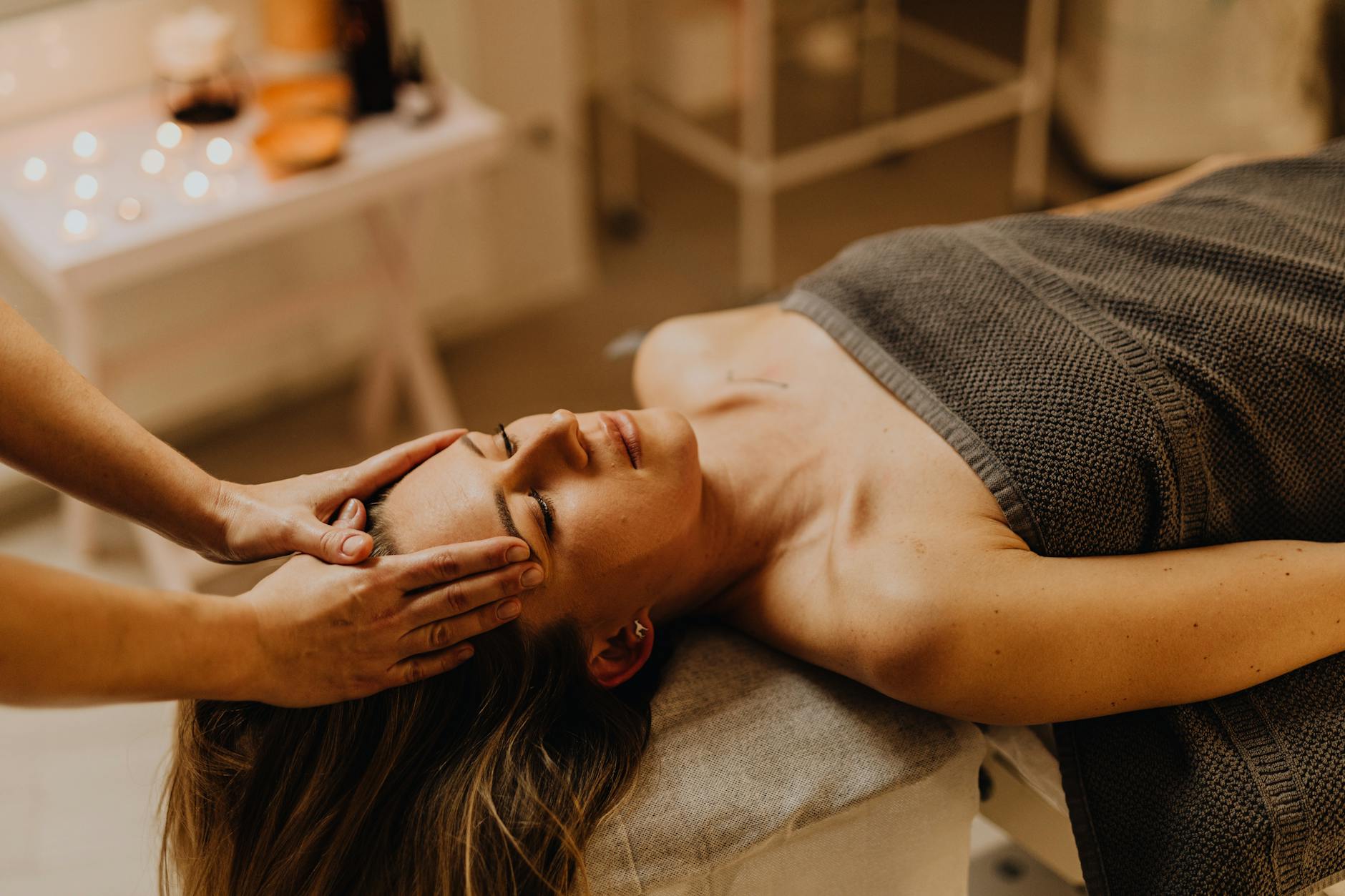
Many people think all essential oils are the same when it comes to stress relief. This oversimplification can lead to confusion about their unique properties and uses. Essential oils vary widely in their effects and applications. After reading, you will better distinguish between the different oils and their benefits.
Transforming Your Calm: The Power of Aroma
In our fast-paced lives, finding moments of tranquility can be a challenge. Essential oils offer a natural way to create a calming atmosphere, transforming your environment into a sanctuary of peace. The power of aroma can stimulate the brain’s limbic system, which is responsible for emotions and memories, promoting relaxation and reducing stress.
Understanding the Science Behind Aromatherapy
Aromatherapy harnesses the therapeutic properties of essential oils extracted from plants. These oils contain compounds that can influence mood and emotional well-being. For example, studies have shown that inhaling lavender oil can lower cortisol levels, the hormone associated with stress. This scientific basis supports the effectiveness of aromatherapy in enhancing mental health.
Aromatherapy in Action: How It Works
The process of aromatherapy is simple yet effective. When you inhale essential oils, their molecules travel through the olfactory system directly to the brain. This connection can trigger responses that promote relaxation or uplift your mood. For instance, citrus scents like bergamot can energize and invigorate, while floral scents such as lavender are known for their calming effects.
Methods of Application
There are two primary ways to use essential oils: inhalation and topical application. Inhalation is often the most effective method for quick relief. You can breathe in the scent directly from the bottle or use a diffuser to disperse it into your space. For topical application, essential oils should be diluted with a carrier oil like jojoba or almond oil before applying them to the skin. This method allows for absorption through the skin while minimizing irritation.
Common Misconceptions About Essential Oils
Myth: All Oils Are Safe for Everyone
While many essential oils are safe, some can cause allergic reactions or skin irritations. It’s crucial to research each oil’s safety profile before use and conduct a patch test when trying a new oil.
Myth: Essential Oils Can Replace Professional Help
Essential oils can aid in stress relief but should not replace professional mental health treatment when needed. They work best as complementary tools alongside other therapeutic practices.
Crafting Your Personal Stress-Relief Ritual
Creating a Relaxing Space
Designate an area in your home for relaxation where you can use your essential oils freely. This space should be comfortable and free from distractions, allowing you to focus on your well-being.
Combining Oils for Enhanced Effects
Experiment with blending different essential oils to create unique combinations that cater to your personal preferences and needs. For example, mixing calming lavender with uplifting citrus scents can create a balanced aroma that promotes relaxation while enhancing mood.
Exploring Popular Choices and Their Benefits
- Lavender: Known for its calming properties, lavender oil can help reduce anxiety and improve sleep quality.
- Bergamot: This citrus oil uplifts mood and helps reduce feelings of tension and anxiety.
- Lemongrass: Known for its refreshing scent, lemongrass oil has been shown to decrease symptoms of anxiety.
- Neroli: This floral oil is effective for de-stressing and may alleviate anxiety during childbirth.
- Frankincense: With its grounding effect, frankincense can deepen meditation practices and foster emotional balance.
- Peppermint: Energizing and refreshing, peppermint oil can help clear the mind and enhance focus during stressful situations.
Your Journey to a Calmer Mind Begins Here
Setting Realistic Expectations
While essential oils can provide significant benefits, they are not magic solutions. Set realistic expectations about what they can achieve in your stress-relief journey.
Tracking Your Progress and Adjusting Techniques
Keep track of how different oils affect your mood and stress levels. This will help you identify which ones work best for you and allow you to adjust your techniques accordingly.
Incorporating essential oils into your daily routine can be an effective way to manage stress. With an array of options available, it’s about finding what resonates with you personally. Whether through inhalation or topical application, these natural remedies offer a path toward greater calm and well-being in our hectic lives.
Sources
- Essential Oils for Stress Relief
- www.instagram.com
- www.lexifaith.com
- pmc.ncbi.nlm.nih.gov
- pmc.ncbi.nlm.nih.gov
- pubmed.ncbi.nlm.nih.gov
- pubmed.ncbi.nlm.nih.gov
- pmc.ncbi.nlm.nih.gov
- pmc.ncbi.nlm.nih.gov
- pubmed.ncbi.nlm.nih.gov
Afterword
The observation about essential oils highlights a common misconception. By clarifying their unique traits, readers can make more informed choices for stress relief.
Articles
- Essential Steps to Take When You Need Help or Support
- Essential Vitamins for Improving Mood and Enhancing Brain Health
- Essential Mental Health Toolkit for Improving Well-Being
- Aromatherapy and Essential Oils for Stress Relief and Relaxation
- Retinopathy of Prematurity: Essential Information for Parents of Preemies
- Comprehensive Guide to Birth Control Methods and Contraception Options
Days
- September 15: Make a Hat Day (united States)
- September 15: Day of Democracy
- September 15: Felt Hat Day (United States)
- September 14: Farmer's Wife Day (Netherlands)
- September 13: Peanut Day (United States)
- September 12: Electronic Warfare Specialists Day (Ukraine)
Why do you keep falling for the same type?
Read the article Lovemaps: the hidden blueprint of our love.
Did you not find what you were looking for? Let me help you find more.
