
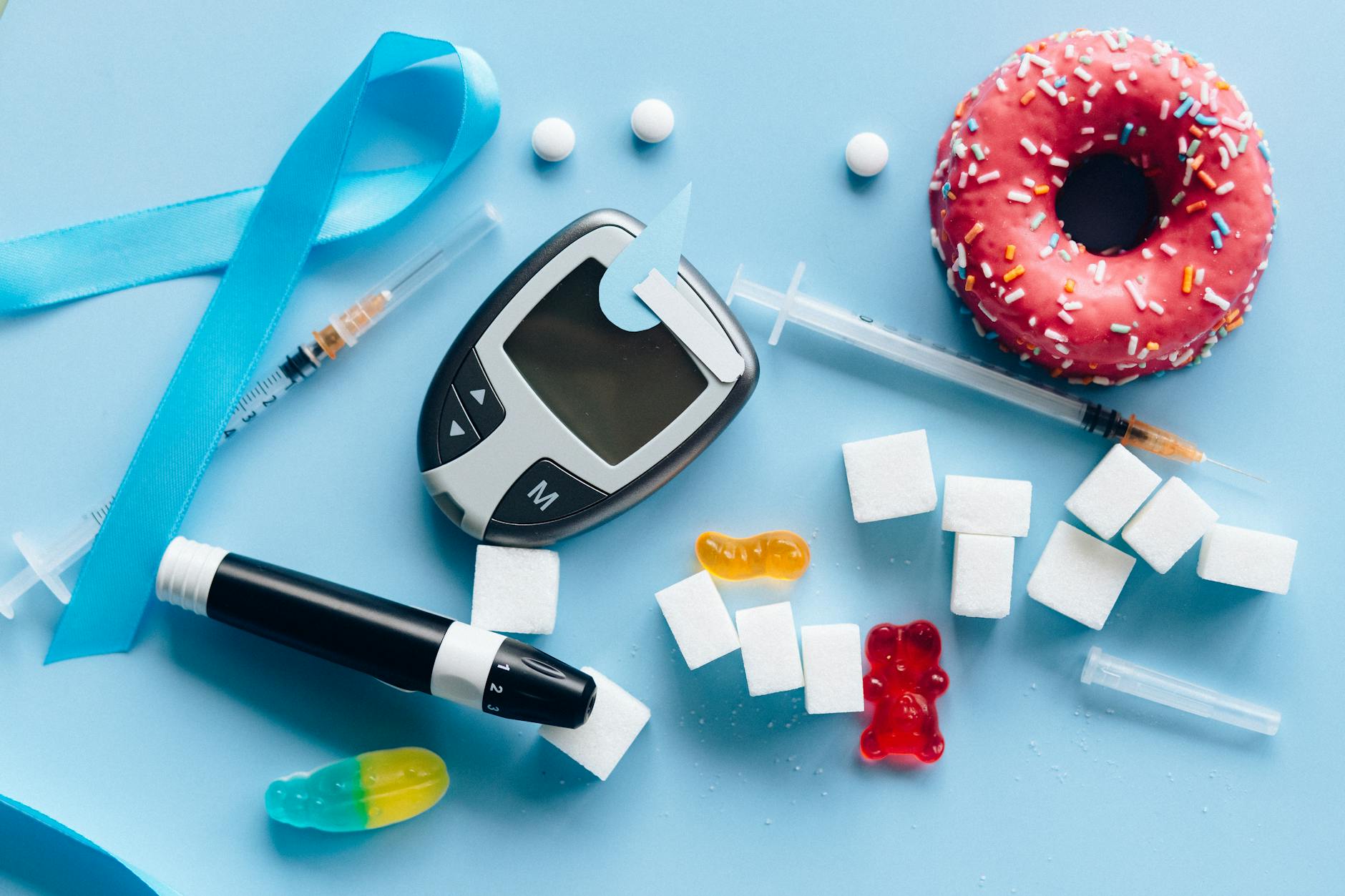
The Sweet Trap: Why Sugar Might Be Sabotaging Your Mind
Reaching for a piece of cake often leads to cravings for more sweets shortly after. This common experience highlights how sugar can influence our desires and affect brain function. Understanding the negative impact of sugar on mental health is crucial, as it affects individuals of all ages by influencing mood, memory, and cognitive abilities.
The reward response occurs when specific structures in the brain are activated in response to rewards, such as food or addictive substances. This activation creates a connection between the behavior and feelings of pleasure, increasing the likelihood of repeating that behavior.
Understanding the Brain’s Response to Sugar
How Sugar Affects Neurotransmitters
High-sugar foods can trigger the brain’s reward pathways. Foods with high glycemic indexes lead to rapid spikes in blood sugar, stimulating cravings and reinforcing the desire for more sugar. This cycle can result in addiction-like responses as the brain seeks out the dopamine release associated with consuming sweet foods.
The Role of Insulin in Brain Function
When we consume sugar, insulin helps regulate blood glucose levels. However, frequent high-sugar intake can lead to insulin resistance, impairing glucose metabolism in the brain. This impairment negatively affects cognitive functions and may increase the risk of conditions like type 2 diabetes.
How It Works: The Science Behind Sugar and Cognition
The Pathway of Sugar Metabolism
When we eat sugar, it enters the bloodstream, leading to increased glucose levels. The body responds by releasing insulin to help cells absorb glucose for energy. However, excessive sugar consumption can overwhelm this system, leading to insulin resistance and creating a cycle that negatively impacts overall brain health.
Impact on Brain Structure and Function
Research indicates that prolonged exposure to high levels of glucose can damage blood vessels in the brain. This damage contributes to cognitive decline over time, affecting memory, learning, and attention span. Additionally, inflammation caused by high sugar consumption can further impair cognitive functions.
Real-Life Consequences: Sugar’s Toll on Mental Health
Link to Anxiety and Depression
Studies show a strong connection between high sugar intake and mood disorders. Individuals consuming large amounts of sugar report higher levels of anxiety and depression. Research indicates that participants with high sugar consumption are more likely to experience mood disorders compared to those who consume less sugar.
Cognitive Decline Over Time
Excessive sugar intake can lead to slower cognitive function and memory deficits. Long-term exposure to high glucose levels correlates with reduced brain volume and cognitive impairment. These issues are particularly concerning for older adults at risk for dementia or Alzheimer’s disease.
Common Myths About Sugar and the Brain
Myth: All Sugars Are Created Equal
Not all sugars have the same effect on the body. Natural sugars found in fruits come with fiber and nutrients beneficial for health, while added sugars in processed foods can lead to negative health outcomes.
Myth: A Little Sugar Won’t Hurt Your Brain
Even small amounts of sugar can negatively impact mental health over time. The cumulative effect of regular sugar consumption can lead to significant health issues, including impaired cognitive function and emotional regulation.
Signs You Might Be Overdoing It on Sugar
Mood Swings and Cravings
A common sign of excessive sugar intake is experiencing frequent mood swings or intense cravings for sweets after consuming sugary foods. This pattern may indicate that your body struggles with blood sugar regulation due to high sugar consumption.
Difficulty Concentrating or Remembering
If you find it hard to focus or recall information after indulging in sugary snacks, it may be a sign that your brain is reacting negatively to high glucose levels. This difficulty can stem from inflammation or impaired neurochemical processes caused by excessive sugar intake.
Strategies for Reducing Sugar Intake Safely
Smart Substitutions for Sweetness
You don’t have to eliminate sweetness from your diet entirely; instead, consider healthier alternatives like fruit or natural sweeteners such as honey or maple syrup. These options provide sweetness along with beneficial nutrients that refined sugars lack.
Building a Balanced Diet for Brain Health
A balanced diet rich in whole foods, fruits, vegetables, whole grains, lean proteins, and healthy fats supports overall brain health. Focusing on low-glycemic foods helps stabilize blood sugar levels and reduces cravings for sugary snacks.
The Road Ahead: Future Research Directions
Potential Treatments for Sugar-Related Cognitive Issues
Future studies may explore treatments aimed at mitigating cognitive decline associated with high-sugar diets. Research into lifestyle changes or pharmacological interventions could provide new ways to combat these effects on mental health.
Exploring the Gut-Brain Connection
The gut-brain connection is an emerging area of interest in understanding how dietary choices influence mental health. Investigating how gut microbiota respond to different types of sugars could reveal insights into improving cognitive health through diet.
The evidence is clear: excessive sugar consumption poses significant risks not only for physical health but also for mental well-being. By recognizing these dangers and making informed dietary choices, individuals can protect their brains and improve their overall quality of life.
Sources
- The Negative Impact of Sugar on the Brain
- podcasts.apple.com
- open.spotify.com
- podcasts.google.com
- doi.org
- doi.org
- doi.org
- doi.org
- doi.org
- doi.org
- doi.org
Articles
- 9 Harmful Relationship Stereotypes We Should Challenge and Change
- The Harmful Effects of Nitpicking on Your Relationship
- The Harmful Impact of Toxic Masculinity on Society and Mental Health
- Fetal Alcohol Syndrome: Understanding Symptoms, Causes, and Treatments
- Expert Tips for Overcoming ADHD Challenges and Starting Tasks
- Acute Respiratory Distress Syndrome: Causes, Symptoms, and Treatment
Days
Why do you keep falling for the same type?
Read the article Lovemaps: the hidden blueprint of our love.
Did you not find what you were looking for? Let me help you find more.
