
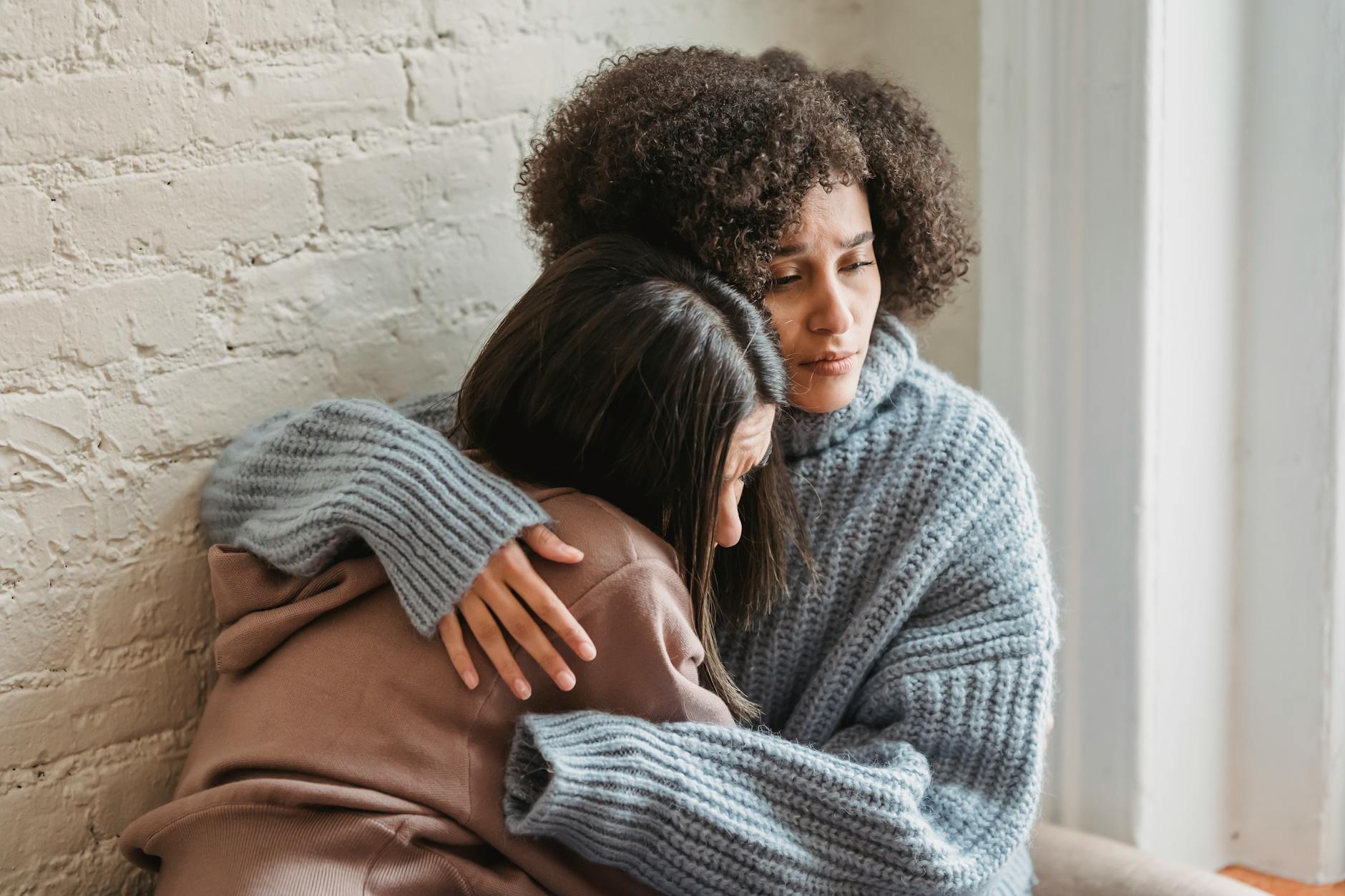
Unlocking Connection: The Power of Being Open
Vulnerability is the willingness to show your true self, including your feelings and weaknesses, even when it carries the risk of rejection. It plays a crucial role in building stronger connections across various types of relationships,friendships, family ties, and romantic partnerships. When people open up, they create an environment where honesty thrives, misunderstandings fade, and authentic bonds can flourish.Everyday Moments of Vulnerability
Sharing Your Truth
Sharing your truth involves discussing personal experiences and feelings with others. This process often begins with small disclosures that gradually lead to deeper conversations. For instance, sharing a recent challenge at work can pave the way for more significant discussions about fears or aspirations. Such openness fosters trust and intimacy.The Role of Active Listening
Active listening is equally vital in moments of vulnerability. It means fully concentrating on what someone is saying without preparing your response while they speak. By demonstrating genuine interest and empathy, you validate their feelings and encourage further sharing. This exchange deepens connections and builds mutual understanding.How It Works: The Science Behind Vulnerability
Neurobiology of Trust
The neurobiology of trust reveals how vulnerability affects our brain chemistry. When we share our feelings, our brains release oxytocin, often referred to as the “bonding hormone.” This chemical promotes feelings of connection and safety, reinforcing trust between individuals.The Emotional Feedback Loop
Vulnerability also creates an emotional feedback loop. When one person opens up, it often encourages the other to do the same. This cycle enhances emotional intimacy and deepens relationships over time.Common Misconceptions About Vulnerability
Vulnerability Equals Weakness?
A common misconception is that vulnerability signifies weakness. In reality, it takes courage to be vulnerable. It requires a strong sense of self-awareness and a willingness to take risks in relationships. Embracing vulnerability can empower individuals to express their true selves.Only for Close Relationships?
Another myth is that vulnerability is only necessary in close relationships. In truth, being open can enhance all types of interactions. Vulnerability can foster unexpected connections even with acquaintances or coworkers.The Ripple Effect: How Vulnerability Strengthens Communities
Building Empathy Across Differences
When people practice vulnerability, they help build empathy across diverse backgrounds and life experiences. Sharing personal stories can bridge gaps between different perspectives, fostering understanding and compassion within communities.The Impact on Mental Health
Vulnerability also has positive effects on mental health. It allows individuals to express their emotions rather than bottling them up, reducing stress and anxiety. Open conversations about feelings can lead to better emotional regulation and overall well-being.Practical Steps to Embrace Vulnerability
Starting Small: Daily Practices
Embracing vulnerability doesn’t have to be daunting. Start small by sharing thoughts or feelings about routine experiences in everyday conversations. For example, discussing what made you happy or frustrated during the day can gradually build comfort around sharing deeper emotions.Creating Safe Spaces for Sharing
Establish safe spaces for sharing by cultivating an environment where all parties feel respected and valued. Encourage open dialogue by actively listening and responding without judgment. This creates a supportive atmosphere that fosters vulnerability.Real-Life Applications: Stories of Transformation
Courage in the Workplace
In workplace settings, leaders who demonstrate vulnerability by admitting mistakes or uncertainties encourage their teams to do the same. This openness leads to a culture of trust where employees feel safe expressing ideas and concerns without fear of retribution.Healing Through Honest Conversations
Honest conversations about difficult topics can also lead to healing in personal relationships. Sharing feelings about past grievances allows individuals to address unresolved issues, fostering forgiveness and moving forward together. In conclusion, embracing vulnerability is essential for building strong relationships across all areas of life. It fosters trust, empathy, and connection among people while also improving mental health outcomes. Although it may require effort and courage to be vulnerable, the benefits are transformative for both individuals and their relationships.Sources
- Why Vulnerability in Relationships Is So Important
- www.thenarrativemethod.org
- doi.org
- dx.doi.org
- doi.org
Read more about: Relationships
Articles
- Understanding Gender Essentialism Theory and Its Impacts
- Understanding Pyromania: Symptoms, Causes, and Treatment Options
- Substance Abuse and Addiction Health Information Center
- Understanding Social Anxiety and the Desire to Avoid Social Interaction
- Understanding Unconditional Love in Romantic Relationships
- Substance Abuse and Addiction Treatment Health Center
Days
Why do you keep falling for the same type?
Read the article Lovemaps: the hidden blueprint of our love.
Did you not find what you were looking for? Let me help you find more.
