
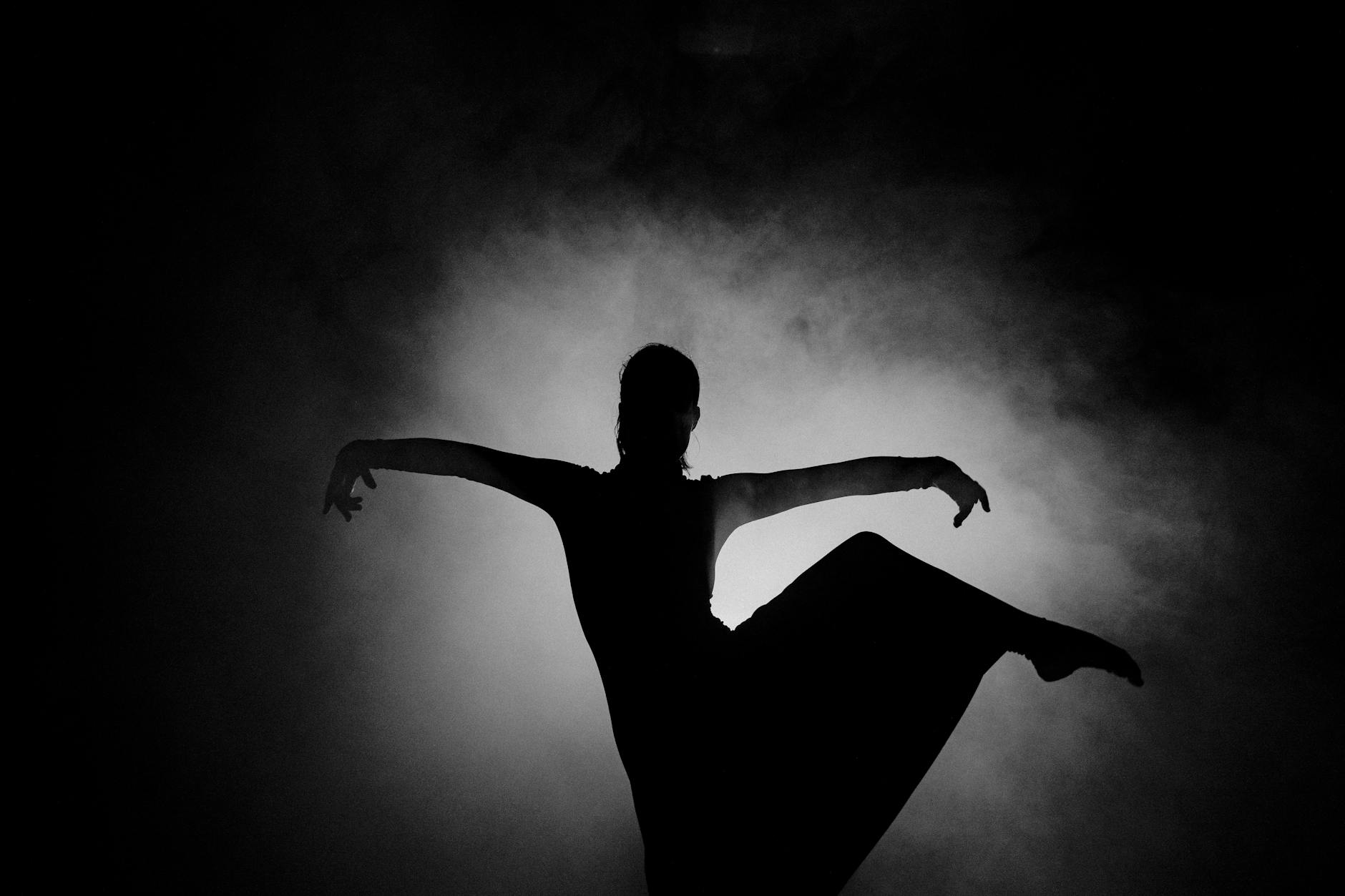
Many people think performing arts are just for a select few. This view overlooks the wide range of experiences available. Performing arts include various forms like theater, dance, and music, which often get mixed up. After reading, you'll see these forms more clearly and appreciate their unique contributions.
Why Performing Arts Matter in Everyday Life
After a long day, a group of friends gathers at a local theater. As the curtain rises, they lean forward, captivated by the unfolding story. Laughter and applause fill the room, creating a shared experience that connects them all. This scene illustrates how performing arts can bring people together and evoke powerful emotions.
Performing arts are forms of art where participants use their bodies, voices, or specific tools to create entertainment. They encompass a range of activities including theater, dance, and music, profoundly impacting audiences and communities.
Connecting Communities
Performing arts serve as a bridge between individuals and groups. They foster connections through shared experiences, helping to build relationships among diverse people. Whether it’s a community theater production or a dance performance in the park, these events unite audiences in laughter, tears, and reflection.
Enhancing Emotional Well-being
Engaging with performing arts can boost emotional health. Attending performances can reduce stress and anxiety while providing an escape from everyday life. The arts offer a space for people to express themselves, whether as performers or audience members, fostering both personal growth and communal healing.
How It Works: The Mechanics of Performance
The Role of Storytelling
Storytelling is at the heart of performing arts. It allows performers to convey narratives that resonate with audiences. From ancient myths to modern tales, storytelling engages emotions and sparks imagination. Each performance brings a unique interpretation of familiar stories, creating fresh perspectives for viewers.
Physical Expression and Movement
Movement plays a critical role in how performing arts communicate ideas. Dancers use their bodies to express feelings and tell stories without words. Similarly, actors employ physicality to portray characters authentically. This physical expression adds depth to performances, allowing audiences to connect on a visceral level.
Audience Engagement Techniques
Engaging the audience is essential for successful performances. Artists often use techniques such as breaking the fourth wall or inviting audience participation to create an immersive experience. These strategies help foster a sense of connection between performers and viewers, making each performance memorable.
Diverse Forms of Expression
Theatrical Productions
Theater encompasses various forms including plays and musicals. It combines acting, set design, and often music to present stories that reflect society’s complexities. From classical dramas to contemporary works, theatrical productions explore themes relevant to audiences across generations.
Dance as a Narrative Medium
Dance is more than just movement; it tells stories through choreography. Different styles such as ballet, hip-hop, or contemporary dance each convey distinct narratives and emotions. Dance performances allow artists to express themes like love, struggle, or joy without uttering a single word.
Musical Performances and Their Impact
Music is another powerful form of performing art that transcends language barriers. Live concerts can evoke strong emotional responses and create communal experiences among listeners. Musicians often share personal stories through their songs, resonating with audiences on multiple levels.
Breaking Down Barriers: Accessibility in the Arts
Inclusive Practices in Performance
Inclusivity is vital for making performing arts accessible to everyone. Many organizations actively work to include diverse voices and provide opportunities for underrepresented groups in performance spaces. This not only enriches the art form but also ensures that various perspectives are celebrated.
Digital Platforms and Reach
In recent years, digital platforms have expanded access to performing arts. Live-streamed performances allow people who cannot attend in person to experience theater, dance, or concerts from home. This shift has made it easier for broader audiences to engage with the arts.
Common Myths Surrounding Performing Arts
Only for the Elite?
A common misconception about performing arts is that they are only for wealthy individuals or those in elite circles. In reality, many community-based programs aim to make the arts accessible to everyone regardless of background or income level.
The Misconception of Talent vs. Training
Another myth is that success in performing arts relies solely on innate talent rather than hard work and training. While some may have natural abilities, many successful performers dedicate years to honing their craft through practice and education.
The Future of Performing Arts: Trends and Innovations
Technology’s Influence on Performance
Technology continues to shape the landscape of performing arts dramatically. Innovations such as augmented reality or virtual reality are being integrated into performances, creating interactive experiences for audiences that were previously unimaginable.
Sustainability in Production Practices
As awareness grows around environmental issues, sustainability has become an important focus within performing arts production practices. Many companies are exploring eco-friendly materials and methods to reduce their carbon footprint while still delivering high-quality performances.
Getting Involved: How to Experience and Support the Arts
Local Opportunities and Events
People interested in experiencing performing arts can find numerous local opportunities such as community theaters or dance studios hosting events throughout the year. These venues often encourage participation from community members and provide affordable options for entertainment.
Volunteering and Community Engagement
Volunteering with local performing arts organizations is another way to get involved. Supporting behind-the-scenes work or participating in outreach programs helps strengthen community ties while enriching one’s understanding of the art form.
In conclusion, performing arts play an essential role in connecting communities and enhancing emotional well-being through diverse expressions like theater, dance, and music. By breaking down barriers and embracing inclusivity, the future of performing arts looks promising as technology evolves alongside traditional practices.
Sources
- Outline of performing arts – Wikipedia
- en.wiktionary.org
- commons.wikimedia.org
- en.wikinews.org
- en.wikiquote.org
- en.wikisource.org
- en.wikibooks.org
- en.wikiversity.org
- asia-perfo-arts.com
Afterword
The initial observation highlights a common misconception about who can engage with performing arts. By clarifying the distinctions between different forms, readers can better understand the accessibility and diversity within this vibrant field.
Articles
- Overview of Performing Arts: Live Performances and Art Forms
- The Study of Humanities in the United States: Overview and Importance
- Overview of Dance: Art, Movement, and Cultural Expression
- Understanding Opera: A Key Art Form in Western Theatre and Music
- Health Humanities: Integrating Arts and Humanities in Healthcare Studies
- The Controversial History of Lobotomy in Mental Health Treatment
Days
- September 11: Patriot Day (9/11 Remembrance United States)
- September 1: No Rhyme Nor Reason Day
- September: Piano Month (United States)
- August 27: Ullambana
- August 25 - 31: Be Kind to Humankind Week
- August 22: Be an Angel Day (United States)
Why do you keep falling for the same type?
Read the article Lovemaps: the hidden blueprint of our love.
Did you not find what you were looking for? Let me help you find more.
