
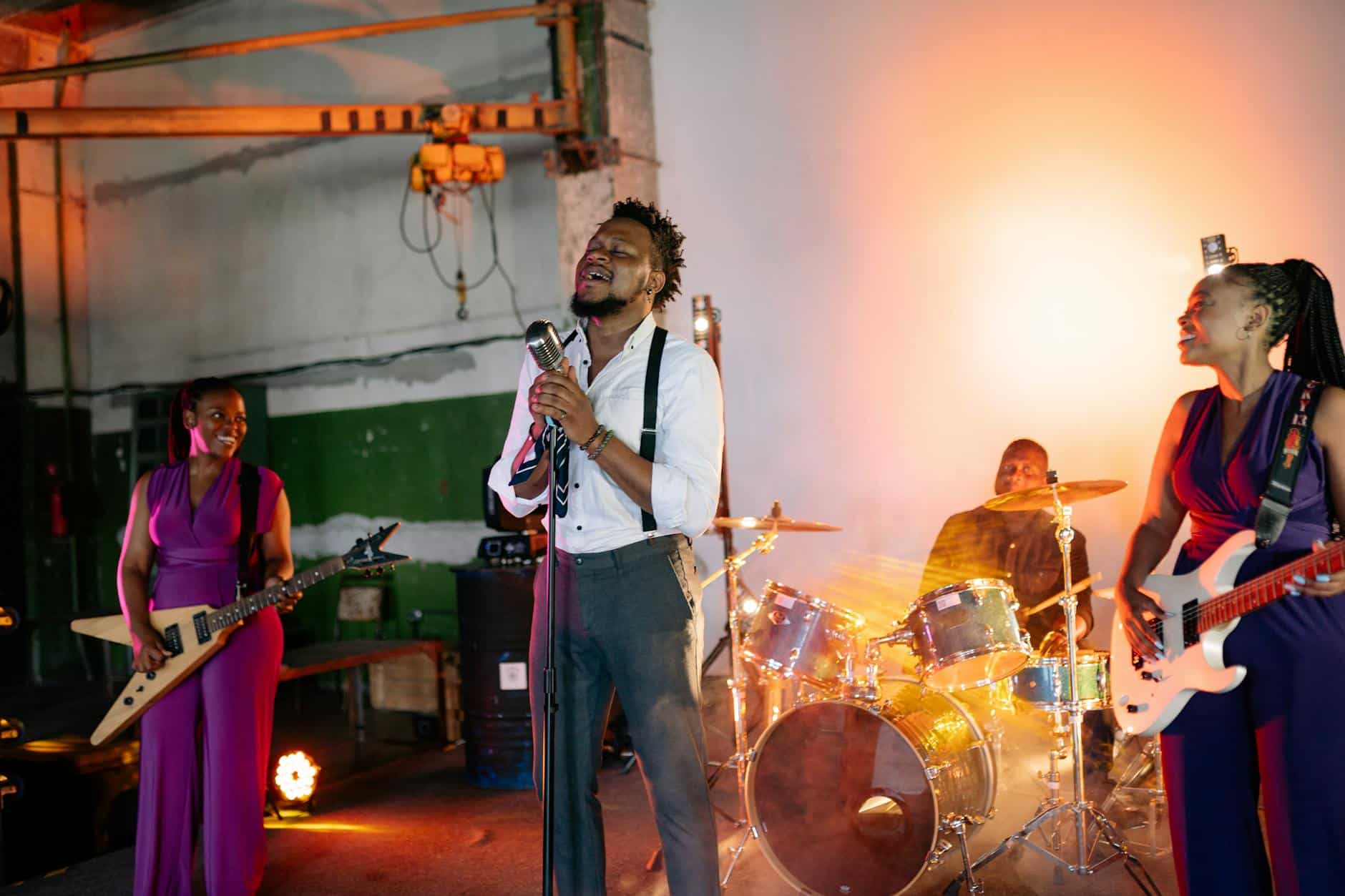
Many people see performing arts as just entertainment. This view overlooks their deeper significance in culture and society. Performing arts include live music, dance, and drama, which often get mixed up with visual arts. After reading, you will better understand the unique aspects of live performances.
Overview of Performing Arts: Live Performances and Art Forms
The performing arts encompass various art forms such as music, dance, and drama that are presented live for an audience. These experiences connect people and evoke emotions, providing entertainment and cultural expression across communities worldwide. Live performances foster a unique bond between performers and audiences, creating memorable moments that resonate long after the final bow.
Performing arts are defined as arts involving live performances, unlike visual arts that create static objects. They are dynamic and ephemeral, engaging both performers and spectators in a shared experience.
Unpacking the Elements of Performance
What Makes a Performance Engaging?
Engaging performances draw in audiences through elements such as emotion, storytelling, and character development. Performers utilize techniques like expressive body language and vocal modulation to convey feelings and connect with viewers. The ability to evoke laughter, tears, or joy is what makes a performance memorable.
The Role of Storytelling
Storytelling is central to many forms of performing arts. Whether through dialogue in plays or lyrics in songs, narratives convey messages and themes that allow audiences to relate personally to the characters’ journeys. In dance, storytelling can be expressed through choreography that illustrates emotions or situations without words.
How It Works: The Mechanics Behind Live Art
From Rehearsals to Opening Night
The journey from rehearsals to opening night is critical in creating an effective performance. Performers practice extensively to perfect their roles and develop chemistry with fellow cast members. This preparation ensures that every aspect,from timing to emotional delivery,resonates with the audience.
The Importance of Collaboration
Collaboration is essential in live performances. Directors, choreographers, stage designers, and performers work together to create a cohesive show. Each role contributes unique skills that enhance the overall production quality. This teamwork fosters an environment where innovative ideas can flourish.
Common Misconceptions About Live Performances
It’s Just for Entertainment
Some people view live performances solely as entertainment; however, they also serve as powerful vehicles for social commentary and cultural expression. Many performances tackle important issues such as identity, politics, or social justice, prompting audiences to reflect on their own experiences.
All Performers Are Naturally Talented
A common misconception is that all performers possess natural talent without needing hard work or training. While some individuals may have innate abilities, most performers invest years in honing their skills through training and practice. Dedication and perseverance are crucial components of success in the performing arts.
The Impact of Technology on Live Art Forms
Enhancing the Audience Experience
Technology has transformed live performances by enhancing audience engagement through tools such as lighting design, sound engineering, and multimedia elements. These advancements allow for more immersive experiences that captivate audiences beyond traditional methods.
Virtual vs. In-Person Performances
The rise of virtual performances has broadened access to art forms for global audiences. Online platforms enable artists to reach viewers who may not have been able to attend shows in person due to geographical or financial barriers. However, many still argue that nothing can replace the unique energy of a live audience reacting in real-time during an in-person performance.
Exploring Diversity in Performance Styles
Cultural Expressions in Art
The performing arts reflect diverse cultural expressions worldwide. From traditional folk dances to contemporary theater pieces addressing modern issues, these art forms showcase a variety of styles influenced by different histories and values across cultures. Each performance serves as a testament to its cultural origins while contributing to a global artistic dialogue.
Innovations and Fusions
Innovations within performing arts often arise from fusions of different styles or influences. Artists experiment with blending genres,such as combining classical ballet with hip-hop elements,to create fresh perspectives on traditional forms. This exploration revitalizes existing art forms and encourages cross-cultural understanding among artists from diverse backgrounds.
The Future of Live Performances: Trends to Watch
Sustainability in the Arts
Sustainability has become increasingly important within the performing arts sector. Artists and organizations are exploring eco-friendly practices,from using sustainable materials for sets and costumes to reducing waste during productions,to minimize their environmental impact while delivering quality performances.
New Platforms for Engagement
As technology continues to evolve, new platforms for engaging with performing arts are emerging. Social media offers artists opportunities to connect directly with their audiences while streaming services allow for broader distribution of performances beyond traditional venues. These platforms help cultivate new audiences while making art more accessible than ever before.
The performing arts play a vital role in society by bringing people together through shared experiences that entertain while also provoking thought and discussion. As technology advances and cultural landscapes shift, this dynamic field will continue evolving while remaining rooted in its rich traditions.
Sources
- Performing arts – Wikipedia
- www.google.com
- www.google.com
- www.google.com
- www.google.com
- scholar.google.com
- www.jstor.org
- www.oxfordlearnersdictionaries.com
- web.archive.org
- doi.org
- api.semanticscholar.org
Afterword
The observation about performing arts being seen solely as entertainment highlights a common misconception. Recognizing their role in cultural expression and social commentary adds depth to our appreciation of these art forms.
Articles
- Overview of Performing Arts: Forms and Expressions in Performance
- The Study of Humanities in the United States: Overview and Importance
- Overview of Dance: Art, Movement, and Cultural Expression
- Understanding Opera: A Key Art Form in Western Theatre and Music
- Health Humanities: Integrating Arts and Humanities in Healthcare Studies
- The Controversial History of Lobotomy in Mental Health Treatment
Days
- September 11: Patriot Day (9/11 Remembrance United States)
- September 1: No Rhyme Nor Reason Day
- September: Piano Month (United States)
- August 27: Ullambana
Why do you keep falling for the same type?
Read the article Lovemaps: the hidden blueprint of our love.
Did you not find what you were looking for? Let me help you find more.
